
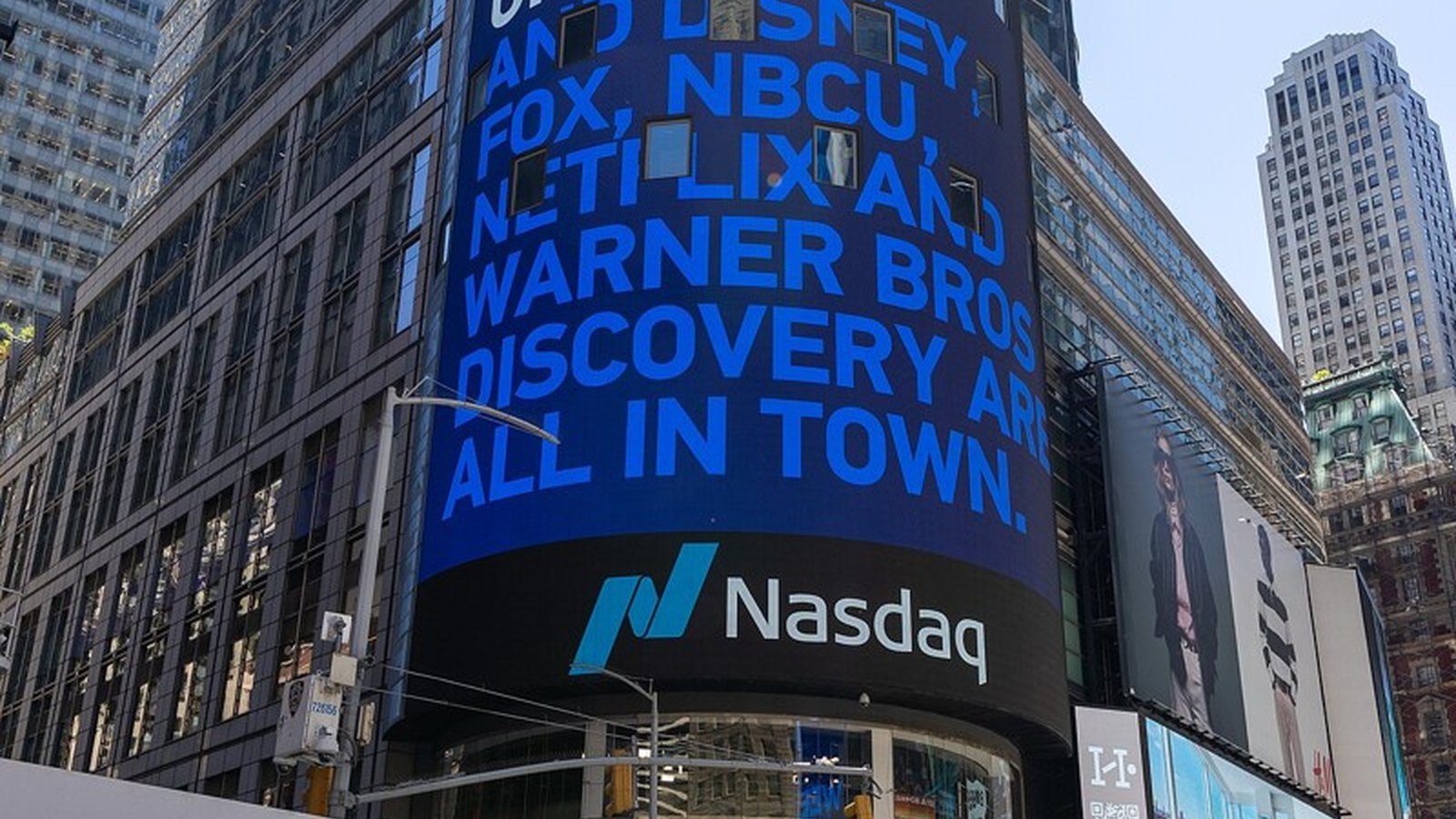
Anthropic is asking Wall Street to value it at about $1.404 trillion, and it isn’t flinching. The Anthropic IPO is still on: the maker of the Claude AI model and its chatbot and enterprise products expects shares to start trading on Nasdaq on November 19, even as the market reels from Jensen Huang’s exit at Nvidia.
Anthropic’s own post says “shares are expected to begin publicly trading on November 19th (EST).” That’s next Thursday, and the stock will trade under the ticker ANT.
Subtle, this is not. Nvidia announced Huang’s departure at 8:47 a.m. Eastern. Anthropic, meanwhile, simply kept its calendar.
It is a risky stance for a company that is also taking on Microsoft and Google, two of its own backers. If either one pulls back, the cost lands on Anthropic’s own cap table.
What the Anthropic public offering looks like on paper
This week’s updated SEC filing set a price range of $70 to $78 per share, according to TechCrunch. That works out to the $1.404 trillion implied valuation. Yes, trillion, with a T.
Wall Street, for its part, has even called a $1 trillion price a discount.
Anthropic plans to sell 825 million Class A shares. Of those, 801.4 million are new, while 23.6 million come from existing shareholders. At the top of the range, that raises roughly $64.4 billion.
There’s more. Anthropic also struck a deal to privately sell $26 billion of non-voting stock at the IPO price. The buyers are AMD, Broadcom, Google, Micron, Microsoft, Nvidia and TSMC.
Estimated combined net proceeds run from $84.6 billion to $93.7 billion, and the higher figure assumes the underwriters use their extra-share option.
CNBC reported, per Yahoo Finance, that pricing should come November 18. The company is also targeting about 20% of the offering at retail investors. That is a much bigger slice for everyday buyers than a typical IPO gives them.
The Nvidia problem for the Anthropic stock debut
Nvidia isn’t just a bystander here. It is one of the seven buyers in that $26 billion private placement. So when its CEO walks out the door, the Anthropic IPO feels it directly.
Huang resigned as CEO, president and board member, effective immediately, per Nvidia’s 8-K filing. CFO Colette Kress is interim CEO. Bloomberg describes the move as the board ousting him, while Nvidia’s own filing says he resigned. Same exit, two very different verbs.
The stock was trading around $158.96 pre-market, about 14.8% below the November 6 close. So who exactly is writing a nine-figure check into an AI company while its own leadership is in chaos? That’s the question hanging over next week.
Why the Anthropic Nasdaq listing matters to your portfolio
Here’s the thing: if you own an index fund, AI is already a big part of what you hold. A trillion-dollar Anthropic Nasdaq listing that lands in the middle of a tech sell-off will move more than one stock.
In fact, the Nasdaq has been rattled by AI panic.
The business side is not shaky, at least on paper. Anthropic reported $33.2 billion in revenue for the first nine months of 2026, up from $2.5 billion a year earlier. That growth is the whole reason anyone is willing to talk about a $1.4 trillion price tag.
Still, a thirteenfold jump in a year invites questions. The filing summaries don’t say how much of that revenue rests on a handful of large customers. Nor do they say whether growth at that pace can last. Investors will have to judge that for themselves.
A few other caveats are worth keeping in mind. Earlier reports said the November 19 timing could shift. Anthropic has also already adjusted pricing once, after it reportedly retracted an earlier filing with a $70 to $80 range.
What to watch before ANT stock starts trading
Nvidia reports quarterly earnings on November 17, its first since Huang’s exit. Anthropic expects to price on the 18th and start trading on the 19th, so ANT stock gets very little breathing room.
If the market is rattled now, that earnings call and the pricing night could set the tone. Anthropic is betting the AI story is bigger than any one executive. The risk is that its revenue growth looks less convincing once buyers see how much of it depends on a few customers.