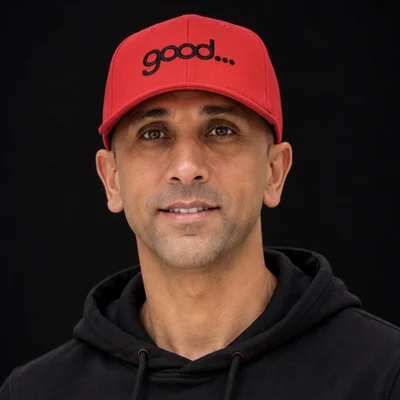

The Senate passed it unanimously in January. The House hasn’t voted.
Paris Hilton went back to Capitol Hill on Tuesday with Reps. Alexandria Ocasio-Cortez (D-N.Y.) and Laurel Lee (R-Fla.) to ask for a House vote on the DEFIANCE Act. This deepfake bill would let victims of sexually explicit AI images sue the people behind them, according to CBS News.
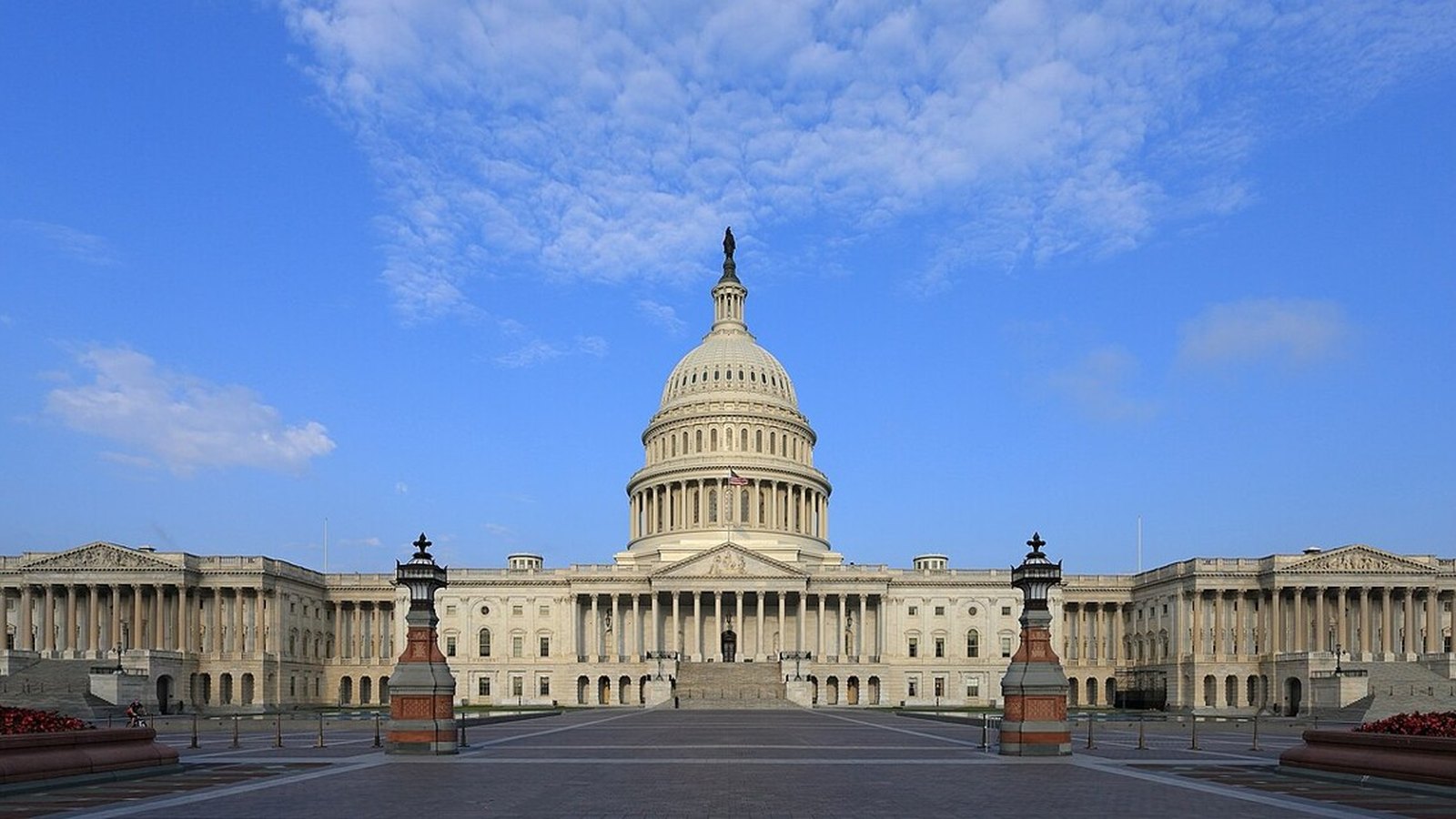
Right now, federal law offers only one remedy: ask a platform to delete it. This bill adds a right to sue the creator.
What the DEFIANCE Act would do
The bill lets victims of nonconsensual, sexually explicit deepfakes sue those who create or distribute the images, as The Hill reported. The 19th reports it also reaches people who commission such images. It also lets survivors recover profits made from their likeness.
It is meant to build on the Take It Down Act, which President Trump signed in May 2025. That law forces platforms to pull this material within 48 hours of a victim’s notice. FTC enforcement began May 19, 2026, per CyberScoop.
A takedown, however, only fixes the platform. A lawsuit goes after the person who made it.
Why this deepfake law keeps coming back
The House has not voted, and Hilton is tired of waiting. She held an earlier Capitol Hill event on the bill back on Jan. 22, and she did not soften the message this time.
She urged the House to bring the DEFIANCE Act to the floor and let Congress vote, per Gray DC. She directed her plea at Speaker Mike Johnson, Majority Leader Steve Scalise and Judiciary Chair Jim Jordan. By her own count, more than 100,000 sexually explicit deepfakes of her exist online.
Ocasio-Cortez put it bluntly. “We need a law, and we need it signed into law,” she said, according to Fox News. Lee, the Republican half of the pairing, said victims “can face harassment, threats and lasting harm.” Her pitch shows how this AI deepfake legislation has stayed bipartisan.
Why this explicit deepfakes bill is not just about celebrities
This stopped being a celebrity problem a while ago. Hilton says an ordinary yearbook or family photo can become explicit content. AOC says free AI chatbots have made it “easier than ever.” Francesca Mani makes the point. The 19th noted that Mani, then 17, spoke at the January event as a survivor of deepfake abuse by high school classmates.
So who would the DEFIANCE Act protect if it passes? Anyone whose face can be copied from a screenshot, which is basically everyone.

What does that mean for you? If someone fakes explicit images of you, a family member or your kid, you would gain a path to court. Today, you mostly get a takedown request and hope.
The fight also fits a bigger pattern of states and federal officials pressing tech companies to answer for harm. See how Texas is taking on OpenAI over ChatGPT for a parallel push.
Will Trump sign the deepfake bill?
AOC says advocates have been talking with the White House. They feel “very optimistic” about the president’s openness to the bill, CBS reports. Florida Politics reports she believes he would sign it.
That is her side’s read. We found no statement from the White House or from Speaker Johnson’s office, and the leaders Hilton named have not publicly responded.
What happens next for the DEFIANCE Act
The clock is the story. The House has to decide whether to bring the bill to the floor before the lame-duck session ends. If it dies this Congress, lawmakers must reintroduce it and pass it all over again.
Lee says she is confident it passes “in this Congress or early in the next,” per Fox. Fox’s coverage points to a January deadline, but we could not confirm the exact date, so watch congress.gov.
If the House passes it unchanged, it goes straight to the president’s desk. For a sense of how fast a populist idea can move once Trump backs it, look at his 10% credit card interest cap push. A bill with a Democrat and a Republican on it, a unanimous Senate and a celebrity lobbyist should be the easiest vote in town. In Washington, that is exactly when you check the calendar.