
Another day, another breach—but this one hits uncomfortably close to home.
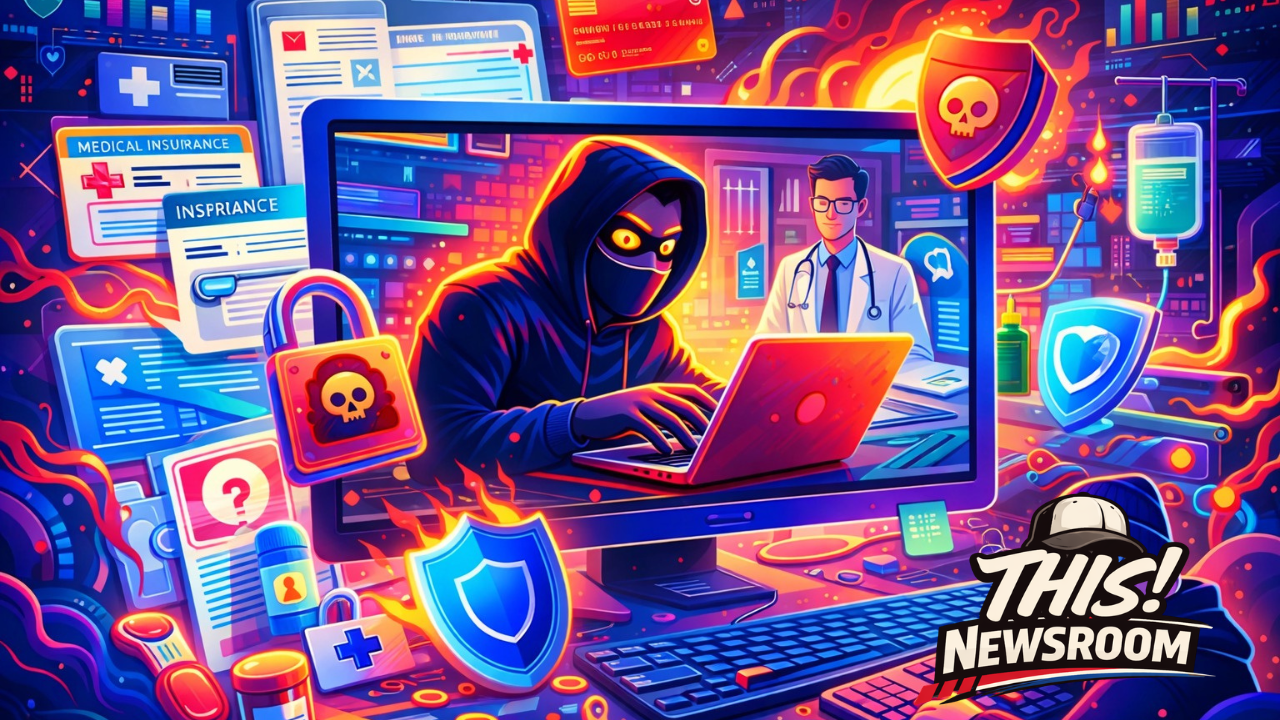
A major healthcare cyberattack has exposed sensitive personal and medical information belonging to more than 3.4 million Americans, raising serious questions about how secure our healthcare data really is.
What Happened?
The breach involves TriZetto, a behind-the-scenes health technology company that most patients have never heard of—but one that plays a critical role in the U.S. healthcare system.
TriZetto provides software that allows doctors, hospitals, and insurers to verify patient insurance coverage before treatment. In other words, it sits quietly in the background—but touches millions of patient records every single day.
Hackers were able to infiltrate systems connected to this infrastructure and extract highly sensitive data.
What Was Exposed?
While full details are still unfolding, breaches like this typically include a mix of:
- Names and addresses
- Dates of birth
- Insurance details
- Medical information
- Possibly Social Security numbers
That combination is what makes healthcare breaches especially dangerous. Unlike a credit card, you can’t simply “cancel” your medical history.
Why This One Matters More Than Most
Here’s the bigger issue—and it’s one we don’t talk about enough.
TriZetto isn’t a hospital. It isn’t your doctor. It’s a third-party technology provider.
That means even if your healthcare provider has strong security, your data can still be exposed through the vendors they rely on.
This is the hidden layer of risk in modern healthcare:
The more connected the system becomes, the more vulnerable it becomes.
And right now, healthcare is one of the most interconnected—and targeted—industries in the world.
The Bigger Trend: Healthcare Is a Prime Target
Cyberattacks on healthcare organizations have been rising steadily for years, and for one simple reason:
Medical data is incredibly valuable.
On the dark web, a full medical identity can be worth significantly more than a stolen credit card because it can be used for:
- Insurance fraud
- Identity theft
- Prescription fraud
- Long-term financial scams
And unlike financial data, victims often don’t realize anything is wrong until much later.
What You Should Do Right Now
If there’s one takeaway here, it’s this: don’t assume your data is safe just because you trust your doctor.
Here are a few smart moves:
- Monitor your insurance statements for unfamiliar claims
- Check your credit reports regularly
- Consider placing a fraud alert or credit freeze
- Be cautious of phishing emails referencing healthcare or insurance
- If notified, follow all steps provided by the impacted company
A Wake-Up Call for the Industry
This breach is more than just another headline—it’s a reminder that the healthcare system is only as strong as its weakest link.
And increasingly, that link isn’t the hospital.
It’s the network of vendors, platforms, and technologies that power modern care.
Until that ecosystem becomes more secure, incidents like this won’t just continue—they’ll escalate.
Final Thought
We trust the healthcare system with our most personal information—our bodies, our histories, our lives.
But trust without security is a risk.
And right now, that risk just became very real for millions of Americans.