

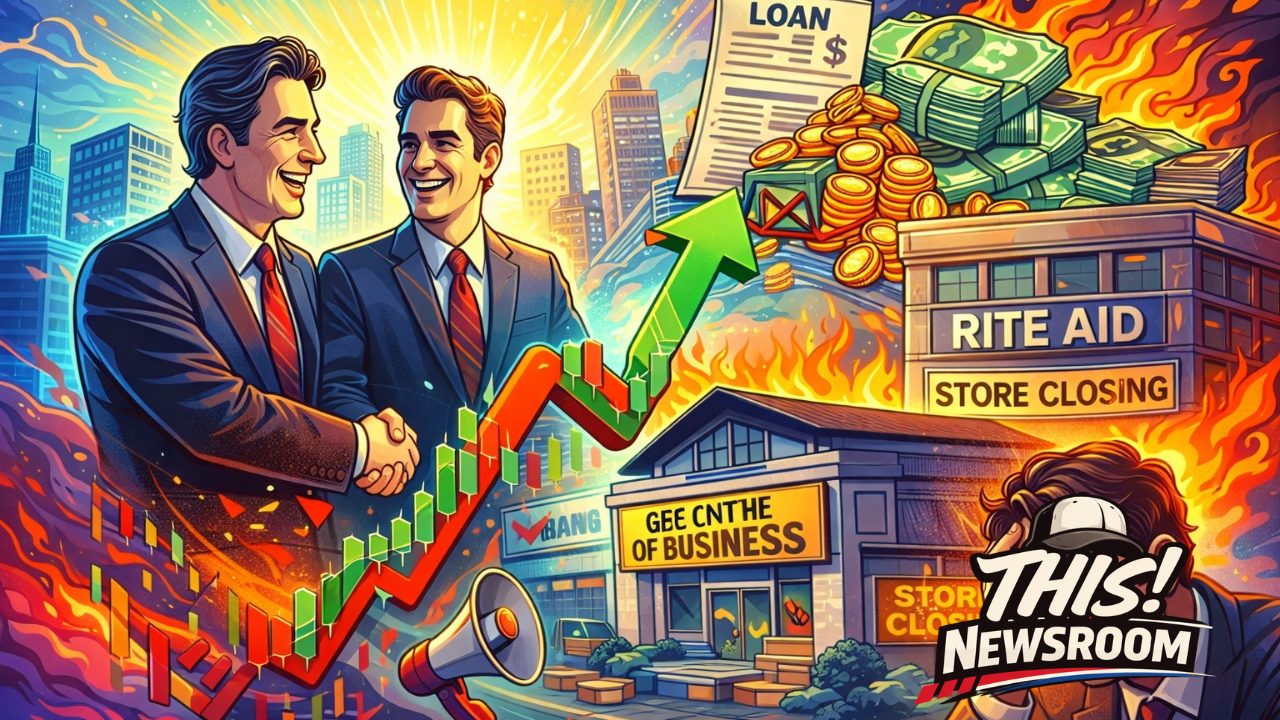

There’s a growing narrative shaping the financial landscape in 2025—and it’s one that doesn’t always make headlines the way it should.
Private equity, often seen as a sophisticated engine of growth and capital, is increasingly being linked to something far less glamorous: a disproportionate share of the largest corporate bankruptcies in the United States.
And the implications go far beyond balance sheets.
The Numbers That Demand Attention
Let’s start with the stat that stops you in your tracks:
- Private equity represents just 7% of the U.S. economy
- Yet it was involved in 54% of the largest bankruptcies in 2025
That’s not a rounding error. That’s a signal.
It suggests that while private equity firms are not the dominant force in the overall economy, they are overrepresented when companies collapse at scale.
How It Happens: The Debt Game

At the core of this issue is a strategy known as the leveraged buyout (LBO).
Here’s the simplified version:
- A private equity firm acquires a company
- A large portion of that purchase is financed with debt
- That debt is placed on the company itself—not the buyer
In strong economic conditions, this can work. Cash flow covers the debt, margins improve, and the firm exits profitably.
But when conditions tighten—rising interest rates, slowing consumer demand, operational hiccups—the model starts to crack.
Suddenly, companies aren’t just competing in the market…
They’re fighting their own capital structure.
The Real-World Impact: Jobs, Communities, Access
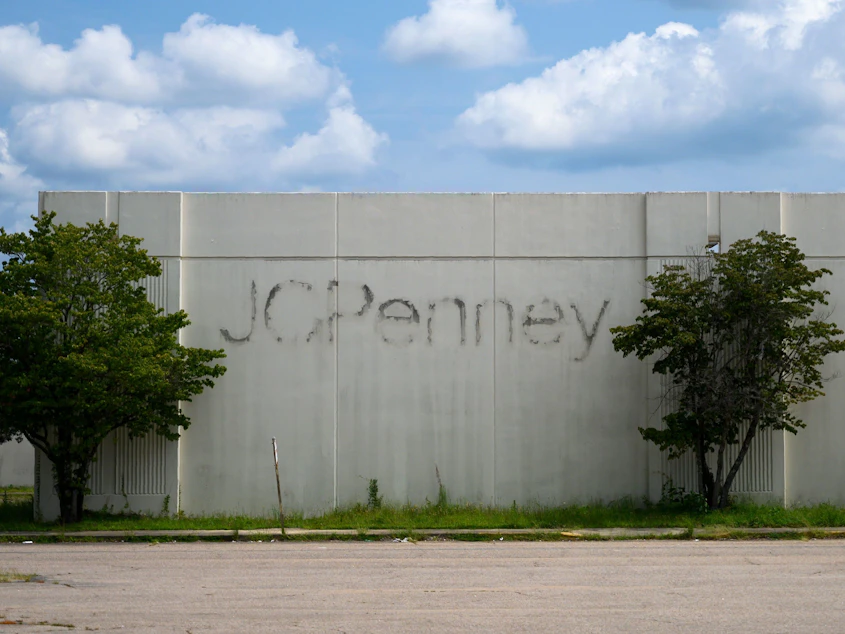
When these companies fail, the consequences are immediate and tangible:
- Jobs disappear
- Stores and locations shut down
- Communities lose essential services
Retail and healthcare have been hit especially hard.
Think about it—when a pharmacy closes, it’s not just a business failure. It’s a loss of access. When a major retailer collapses, it’s not just inventory—it’s income for families and foot traffic for entire shopping centers.
The ripple effects extend far beyond the original company.
The “Distressed Exchange” Trend
Many private equity-backed companies don’t go straight to bankruptcy.
Instead, they attempt something called a distressed exchange—essentially restructuring debt to buy time.
While this can delay collapse, it often leads to:
- Reduced investor confidence
- Continued operational strain
- Eventual layoffs or closures anyway
In other words, it’s not always a rescue. Sometimes, it’s just a slower fall.
A Balanced Perspective
It’s important to be clear: private equity is not inherently bad.
In many cases, it:
- Revives struggling companies
- Drives operational efficiency
- Injects capital into underperforming sectors
But the current data suggests a growing imbalance between risk and responsibility.
When leverage is too aggressive, and timelines for returns are too compressed, the burden shifts—away from investors and onto employees, customers, and communities.
What This Means Moving Forward
The conversation is changing.
Regulators, economists, and business leaders are beginning to ask tougher questions:
- Should there be limits on how much debt can be loaded onto acquired companies?
- Who is accountable when highly leveraged firms fail?
- How do we balance innovation in finance with stability in the real economy?
Because at the end of the day, this isn’t just about private equity.
It’s about how financial strategy intersects with real life.
Final Thought
Private equity didn’t create economic pressure—but in many cases, it amplified it.
And when the system bends, it’s not the investors who feel it first.
It’s the worker.
The family.
The community.
That’s where the real story lives.