

Putting Consumer Watchdog on Track to Shut Down by 2026
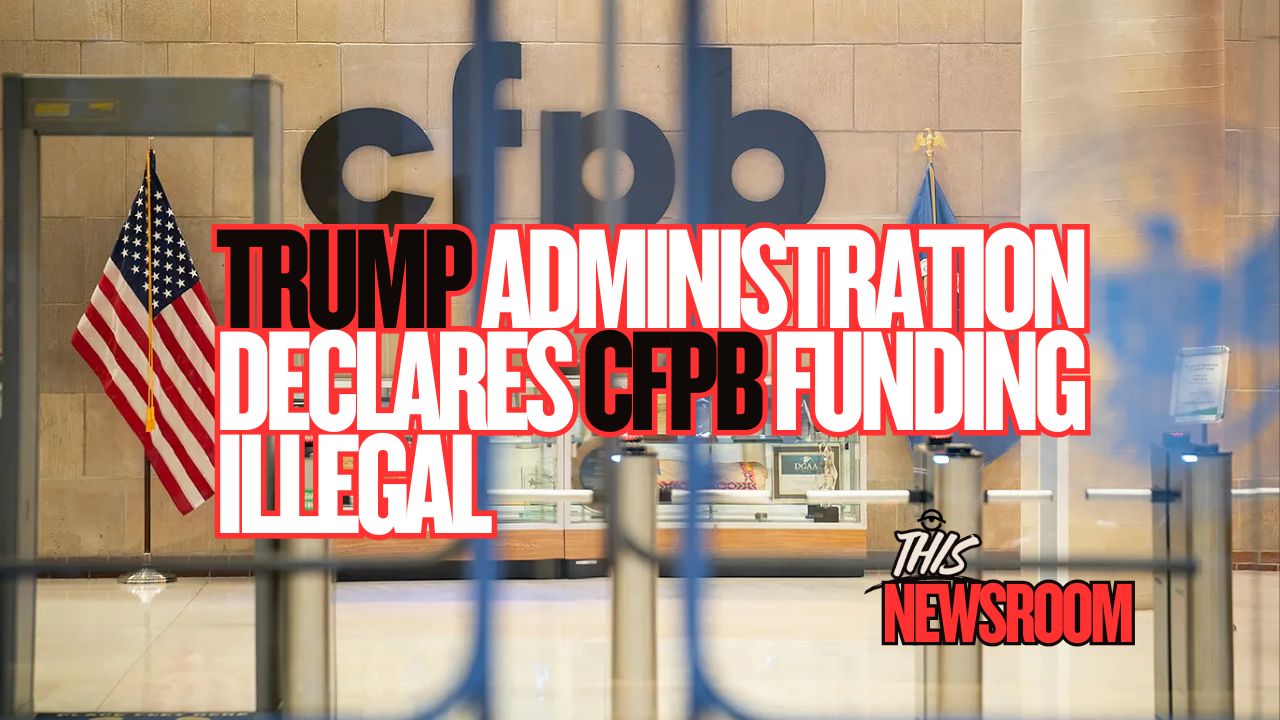
The Trump administration has declared the Consumer Financial Protection Bureau’s (CFPB) funding mechanism illegal, a move that could dismantle one of the nation’s most influential consumer watchdogs. The decision, revealed in a recent court filing, effectively cuts off the CFPB’s access to funds from the Federal Reserve. According to the filing, the bureau is expected to run out of money by early 2026 unless Congress intervenes.
Created after the 2008 financial crisis, the CFPB was designed to protect consumers from predatory lending and deceptive banking practices. Its independence came from an unusual funding model: the bureau received money directly from the Federal Reserve rather than through annual congressional appropriations. Now, the Justice Department has concluded that such transfers are unlawful because the Federal Reserve currently reports no “combined earnings,” the legal foundation that once supported the CFPB’s budget.
This development marks one of the Trump administration’s boldest steps toward limiting federal regulatory power. While supporters applaud the move as a victory for accountability and fiscal discipline, critics warn it could leave millions of Americans vulnerable to financial abuse. They argue that without the CFPB, oversight of credit cards, student loans, and payday lending will weaken significantly.
The bureau’s leadership has acknowledged that its reserves can sustain operations only into early 2026. After that point, unless Congress appropriates new funding, the CFPB will likely be forced to shut down. This would halt ongoing investigations and enforcement actions against lenders accused of misconduct.
Meanwhile, lawmakers remain divided. Some Republicans believe this is an opportunity to reform or even replace the bureau with a more limited oversight framework. Democrats, on the other hand, argue that the move undermines the very protections created after the last financial crisis. They emphasize that consumer trust and market transparency depend on a strong, independent regulator.
If Congress fails to act, the CFPB’s closure could shift the burden of consumer protection to the states. That transition would create a patchwork of enforcement where rules vary by jurisdiction, complicating oversight for banks and financial institutions. For consumers, especially those in lower-income or high-debt households, the absence of a unified watchdog could mean fewer safeguards and slower responses to fraud or abuse.
For now, the CFPB continues to operate with limited resources while it explores legal options. The courts will ultimately decide whether its funding structure violates the law or whether Congress must revise the statute to preserve the agency’s mission.
The battle over the CFPB’s future is not just about money—it’s about whether consumer protection should remain independent from political influence. That question will shape the next chapter of financial regulation in America.
Suggested articles at thiswithkrish.com
U.S. Housing Market in Recession: What It Means for Homeowners
Elon Musk’s $1 Trillion Pay Package and What It Says About Corporate Power
Government Shutdown Ends: What It Cost the U.S. Economy
Trump’s Veterans Day Speech: The War on Political Correctness