
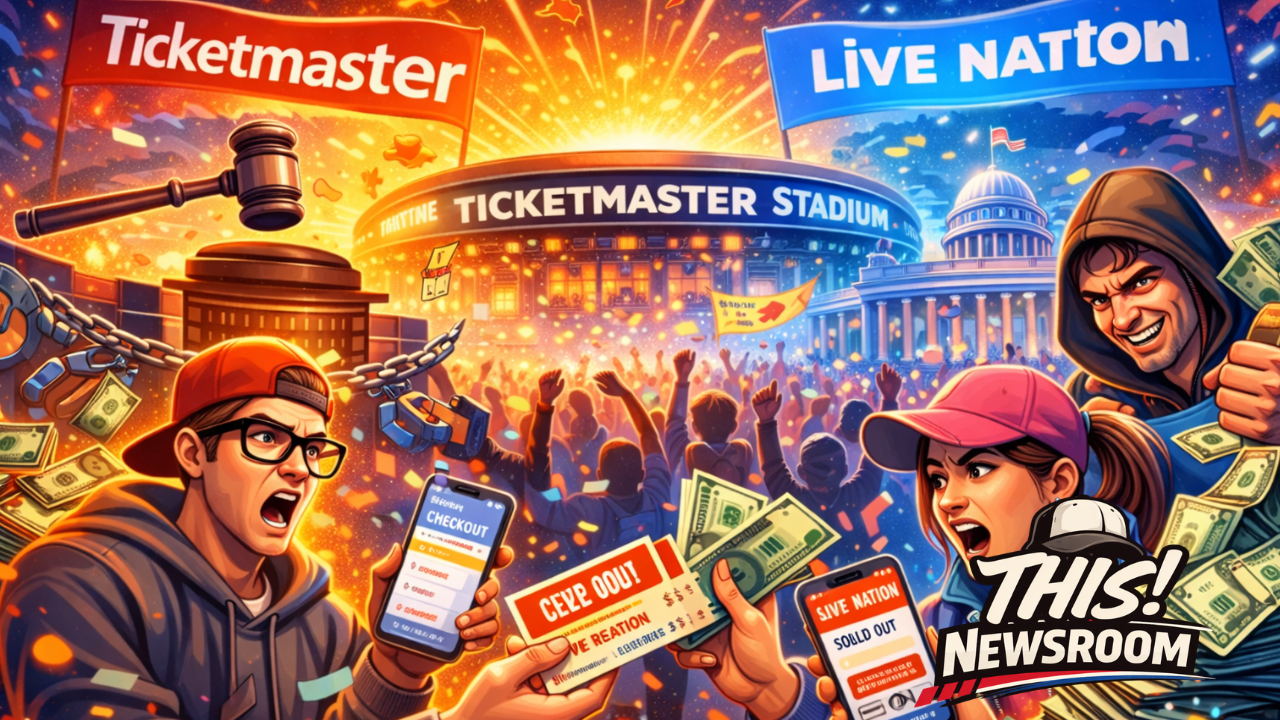
Once again, Live Nation Entertainment and its ticketing arm Ticketmaster are facing intense scrutiny — and this time, the pressure feels different.
For years, fans have complained about skyrocketing prices, confusing fees, dynamic pricing spikes, and limited ticket availability for major tours. Lawmakers have held hearings. Artists have raised eyebrows. Meanwhile, consumers have grown increasingly frustrated. Now regulators are taking a closer look at whether the entertainment giant’s dominance in both promotion and ticketing crosses competitive lines.
So what’s happening — and what could it mean for the future of live events?
Why Live Nation and Ticketmaster Keep Facing Criticism
The controversy traces back to 2010, when Live Nation merged with Ticketmaster, creating a vertically integrated powerhouse that promotes tours, manages venues, and controls ticket sales. Critics argue that this structure limits competition because the same company can influence nearly every stage of the live event ecosystem.
When massive tours go on sale — particularly stadium-level events — systems often crash, wait times spike, and resale prices soar. Fans frequently encounter service fees that dramatically increase the final ticket cost.
Regulators are reportedly revisiting whether the company’s structure creates anti-competitive conditions, particularly in:
- Venue contracts that favor Ticketmaster
- Exclusive ticketing agreements
- Market control in major metropolitan areas
- Fee transparency and pricing practices
The scrutiny reflects a broader national conversation about corporate consolidation across industries — from airlines to technology platforms.
The Pricing Debate: Dynamic or Disruptive?
One of the biggest flashpoints is “dynamic pricing,” where ticket prices fluctuate based on demand — similar to airline seats or hotel rooms.
Supporters argue that dynamic pricing allows artists to capture more revenue instead of leaving money to scalpers on resale markets.
Critics counter that it turns live entertainment into a luxury product, with prices surging beyond reach for everyday fans. A $150 ticket can suddenly become $600 within minutes.
While dynamic pricing isn’t illegal, the lack of transparency surrounding fees and total costs has fueled renewed calls for reform.
Political Pressure Is Building
Lawmakers from both parties have signaled concern about market concentration in live entertainment. Some officials have floated:
- Breaking up the 2010 merger
- Imposing stricter antitrust conditions
- Mandating clearer pricing disclosures
- Increasing competition in ticket marketplaces
Although no final decisions have been made, the regulatory tone appears more aggressive than in previous reviews.
The Department of Justice has previously monitored Live Nation under consent decrees. If regulators determine those conditions have been violated — or are no longer sufficient — stronger action could follow.
What Live Nation Says
Live Nation maintains that it does not set ticket prices — artists do. The company argues that it invests heavily in venues, technology, and infrastructure to improve fan experience.
Executives have also pointed out that ticket demand has exploded in recent years as touring rebounds globally. They argue that high prices reflect intense demand, not manipulation.
Additionally, Live Nation contends that breaking up the company would not automatically lower ticket prices or eliminate service fees, which support venue operations and security.
What This Means for Fans
For now, fans are likely to continue navigating:
- Long online queues
- Variable pricing models
- Significant service charges
- Limited primary market supply
However, if regulatory action leads to structural changes, the live entertainment marketplace could look very different in the coming years.
Potential outcomes include:
- More competing ticket platforms
- Standardized pricing transparency rules
- Limits on exclusive venue contracts
- Greater oversight of fee structures
The Bigger Picture
This isn’t just about concerts. It’s about market power.
As scrutiny intensifies, Live Nation and Ticketmaster sit at the center of a broader debate about whether dominant companies can — or should — control multiple layers of an industry.
For millions of fans, the question is simpler:
Will buying concert tickets ever feel fair again?
That answer may depend less on the next big tour — and more on what regulators decide in the months ahead.