
A 50% tariff now hits nearly $20 billion a year in Canadian imports, and the Canada tariff list changed again. Valves, carpets and waste products are in. Other goods are out. The swap took effect on Oct. 30, just days before Election Day. A list that reshuffles every few weeks is hard to plan around.
What the Canada tariff list means for your wallet
Importers of record pay these duties when goods cross the border. That means U.S. buyers take the first hit, and their customers may feel it later. Run a business that buys Canadian parts? Check the new list before your next order. Shopping for a new carpet? Expect the price tag to creep up.
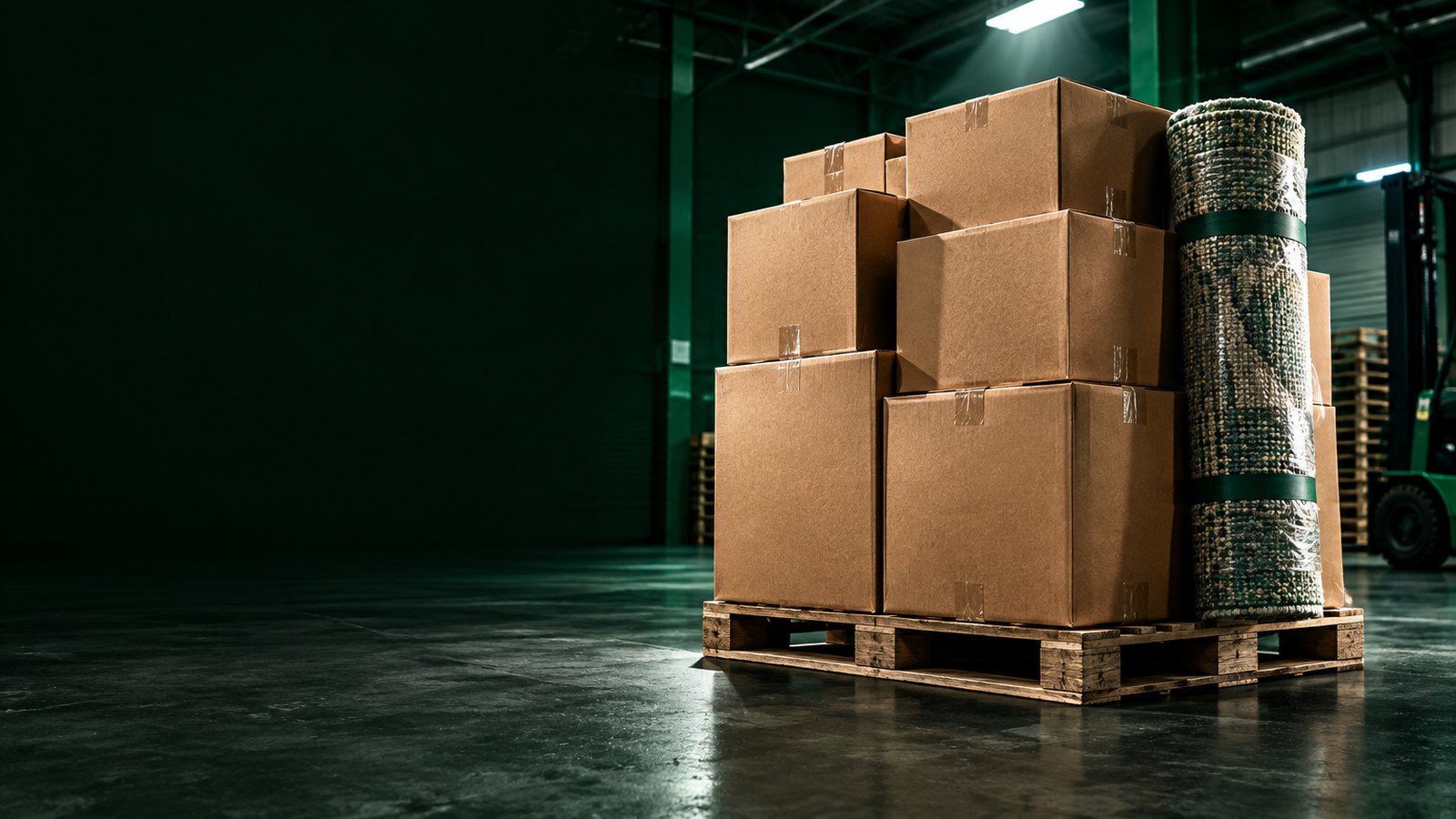
The tariffs apply whether or not a good qualifies under USMCA. The original July action covered dairy, alcohol and motor-vehicle-related product lists. Law firm Wiley put the affected imports at nearly $20 billion a year. Meanwhile, the administration left energy, potash, fish and critical minerals out.
Customs filing guidance says some headings, 9903.03.12 and 9903.03.13, saw no classification changes and still carry the 50% duty.
What the Canada tariff list change actually does
The White House fact sheet says the move “further refines” the scope of tariffs first announced July 20 and modified on Sept. 8. The administration is dropping some products and “replacing those products with certain valves, carpets, waste products, and others,” as CNBC reported. However, the full removal list was not available when we checked, so we can’t tell you every item that got relief. For the earlier round, see how Trump lifted some Canada tariffs and added new ones.
The Maine detail
The timing matters. Sen. Susan Collins of Maine, who is in a tough re-election fight, announced exemptions for “nine categories of products crucial for Maine’s agricultural industries.” Her release went out less than an hour before the White House published its fact sheet, which never mentions Maine. The tariffs are unpopular in her state, and relief for Maine farmers just before a close vote helps her case.
Still, the sources do not say the two events are linked, and we can’t confirm which farm goods got relief. For more on her race, read about how women voters could decide Maine’s Senate contest.
Why Section 338 tariffs rest on a 1930 law and a 50% ceiling
Here’s a number to repeat at dinner. The July 20 action was the first time any U.S. president used Section 338, a law passed in 1930. According to White & Case, it’s a brand-new tool for modern trade fights.
Wiley notes the law caps tariffs at 50%. So the Canada tariff list can shift, but the rate can’t go higher.
What happens next
Talks are back on, at least on paper. Canadian Prime Minister Mark Carney reported progress with Trump on Nov. 1. “Our teams will now be working in the coming weeks to deliver that outcome,” he said on social media, according to MPR News. We have no confirmation from the White House on what that progress means, and the “very close” trade deal is not real on paper yet.
Canada’s Sept. 8 retaliation remains in place. It imposes tariffs of 15%, 25% and 50% on about C$27.6 billion of U.S. goods.