
Democrats win Senate control after flipping six Republican seats, and the second half of Donald Trump’s term just got a lot more complicated. The Associated Press and other outlets projected Tuesday night that the party has a majority in the chamber, based on AP race calls tallied by NPR. Republicans started the year with a 53-47 edge. That edge is gone.
How the Democratic Senate Takeover Happened
Democrats needed to flip four Republican seats. They flipped six: North Carolina, South Carolina, Ohio, Texas, Kansas and Iowa. The clinching call came in Iowa, where Democrat Josh Turek beat Republican Rep. Ashley Hinson for the seat Joni Ernst is leaving.
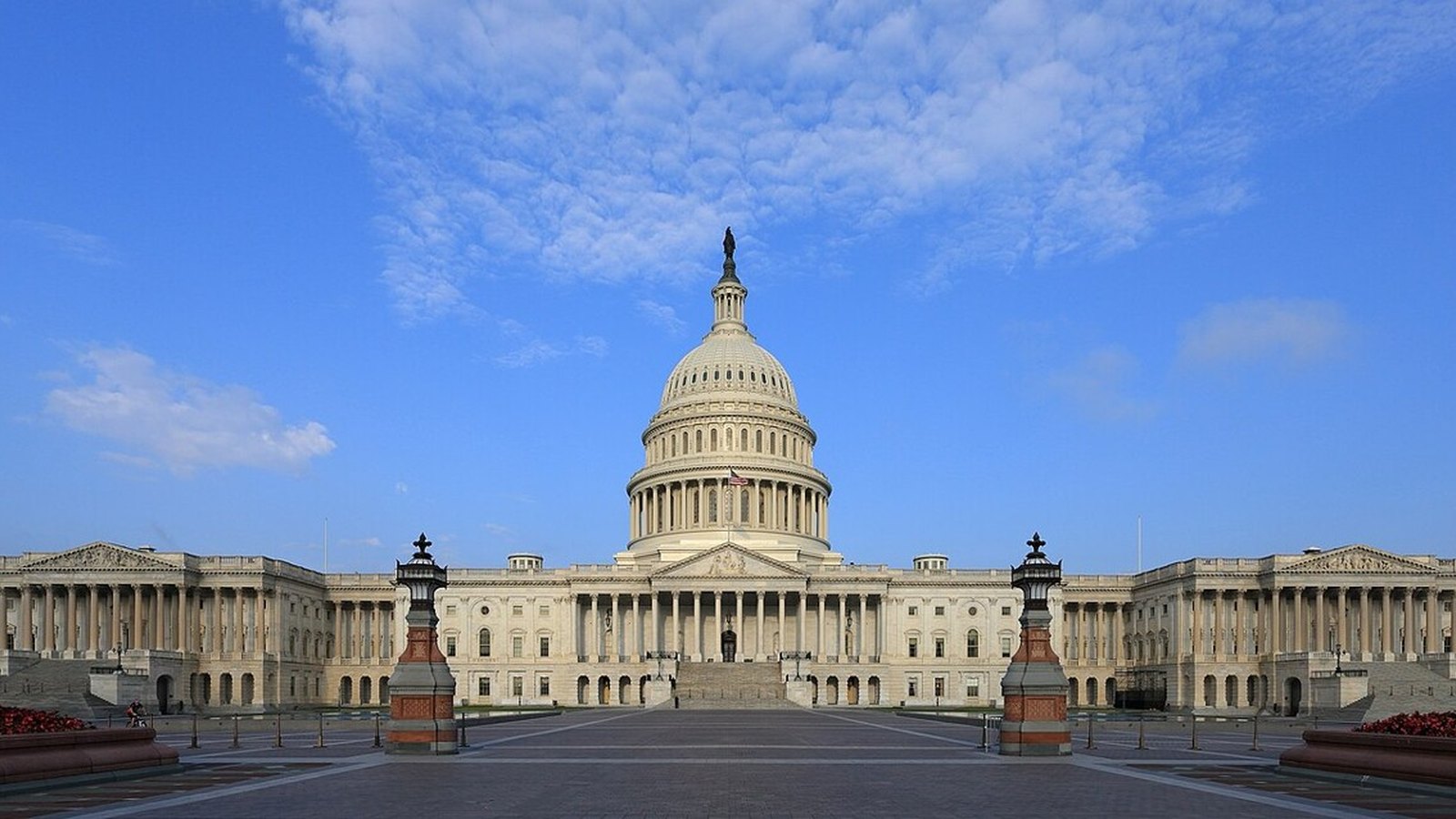
The flips read like a map of places Democrats usually don’t win, per Axios. In Texas, James Talarico beat Ken Paxton, a result we broke down in our report on Talarico flipping Texas’ Senate seat. In Ohio, Sherrod Brown beat Sen. Jon Husted. Roy Cooper beat Michael Whatley in North Carolina, and Annie Andrews beat Sen. Lindsey Graham in South Carolina. Then came Kansas, where Adam Hamilton ended a 94-year drought for Democrats.
It was a rough night for the GOP. Republicans did hold Florida, where AP called the race for Ashley Moody. Meanwhile, our look at Pappas making Senate history covers another big race from the night in full.
The Senate Majority Count Is Still Moving
Now for the fine print. NBC’s tracker shows 51 Democratic seats and 40 Republican seats, with nine races still uncalled. Alaska, Louisiana and Minnesota are among them. The majority is real, and the final margin is still moving.
The House is murkier. CNBC says Democrats have won it. Yahoo, NPR and Axios still call it undecided or within reach. Until the AP says otherwise, treat the House as open.
Here’s the Thing: Why a Senate Majority Matters at Home
A Senate majority is not a decorative trophy. Because Democrats take control of the Senate, they decide which nominees get a floor vote. They also gain oversight power that could open a long list of investigations, NPR reports. For anyone waiting on a judge, an agency head or a Cabinet pick, the road just got a lot steeper. For Senate Majority Leader John Thune, the R-S.D. Republican, the loss is a hard blow.
So why did it happen? Mostly because voters are tired. Prices stayed high, Trump’s approval sank toward historic lows, and the Washington Post adds discontent over the war in Iran. Groceries, gas and the news cycle all showed up at the polls.
Even Trump seems to have gotten the message. According to CBS News, he congratulated Democrats in an election-night call.
What the New Senate Majority Does Next
The new Senate takes over in January 2027, so the current Congress stays in charge until then. In the meantime, watch the nine uncalled races, the fight for the House, and whether the president tries to move his agenda before the gavel changes hands. Markets are already reacting, as seen in our report on stock futures, the midterms and AI. The Texas results rippled beyond the Senate, too, as Greg Abbott conceded to Hinojosa.
Once Democrats win Senate control for good, one thing is already clear: divided government is coming, and Washington’s next two years will be far louder than its last two.