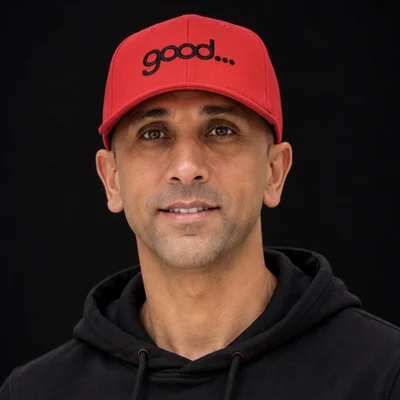

Nvidia stock fell about 4% to 5% on Monday, erasing more than $200 billion in market value after the company’s board opened an independent investigation into CEO Jensen Huang. He admitted an affair with a woman U.S. intelligence reportedly believes is a Chinese spy. For the full background on the allegations, see our earlier report on Huang’s admission and the board probe.
What this means for you: even if you never buy a share, you may feel this drop. Nvidia is one of the biggest holdings in many index funds, so a swing in NVDA can show up in your 401(k) statement. The market is treating this as an Nvidia problem, not a tech problem. The real risk is a single executive’s troubles shaking a company at the center of the AI buildout.
What Nvidia’s board announced before Nvidia shares dropped
On Sunday, the board said it is launching an investigation “in light of recent reporting that founder and CEO Jensen Huang has been the target of a foreign intelligence effort.” That is the statement as quoted by ABC News. A committee of independent directors, assisted by outside counsel, will run it.
The board added that it has “no reason to believe that either national security or NVIDIA secrets were compromised.” It also said it has confidence in Huang and his leadership team. He stays on as CEO, at 63, during the probe.
Huang’s apology and the alleged spy
In an email to employees, Huang admitted he was unfaithful to his wife, Lori. “I owe my family and all of you an apology,” he wrote, according to a draft obtained by Axios. However, the email did not name the woman or address her alleged ties to Beijing.
Other outlets identify her as Alice Huang, a Chinese citizen. She is a former executive at Megaspeed, a Singapore-based company and Nvidia customer. She is not related to Jensen Huang. NBC News reports, citing a person familiar with the matter, that U.S. intelligence agencies concluded she was a Chinese spy.
Here’s the catch: that designation comes from anonymous sources. No U.S. agency has confirmed it publicly. Meanwhile, China’s Foreign Ministry dismissed the claim as a “smear.”
How Nvidia stock reacted on Monday
Shares fell hard. CNBC reported a fall of about 5%. NBC said roughly 4%, which it said erased more than $200 billion in market value.
The rest of the chip sector rallied, and the major indexes opened higher. In other words, investors are isolating the damage to Nvidia.
Analysts call it “key-person risk.” It is the worry that one executive’s troubles could shake an entire company.
The timing is rough. Nvidia was already down more than 20% from its peak a month ago. The Nasdaq also slipped into correction last week, according to CNN. We covered that slide in our look at the $2.5 trillion Wall Street sell-off.
What analysts say about the Nvidia stock price
Citi flagged two questions for investors. First, will the probe turn up anything that endangers Huang’s job? Second, will regulators respond in a way that limits Nvidia’s sales?
Dan Ives of Yorkville Ives & Co. called it a “black eye moment” for Huang. Still, he argued Nvidia remains two to three years ahead of China in AI chips.
Politics adds pressure. Huang has been one of Washington’s loudest voices for loosening limits on AI chip sales to China, so lawmakers from both parties now want answers. Some seek a congressional probe or testimony from him, while others ask what the Trump administration knew and when, CNBC reports. China policy was already a headache, as we’ve covered in our report on Nvidia chips and Chinese import approval. President Trump came to Huang’s defense on Sunday, calling him a “fine person” who should stay on as CEO, per The Hill. Nvidia spokesperson John Rizzo said, “Today’s news will not slow Nvidia.”
What happens next for Nvidia stock
The board has set no timeline for its investigation. It said it will provide updates “as appropriate.” Watch three things. Does Huang keep the CEO job? Does Congress call him in? Do any chip-export rules shift in response?
One question will hang over every Nvidia earnings call from here: how much does a company worth trillions depend on one man’s judgment?