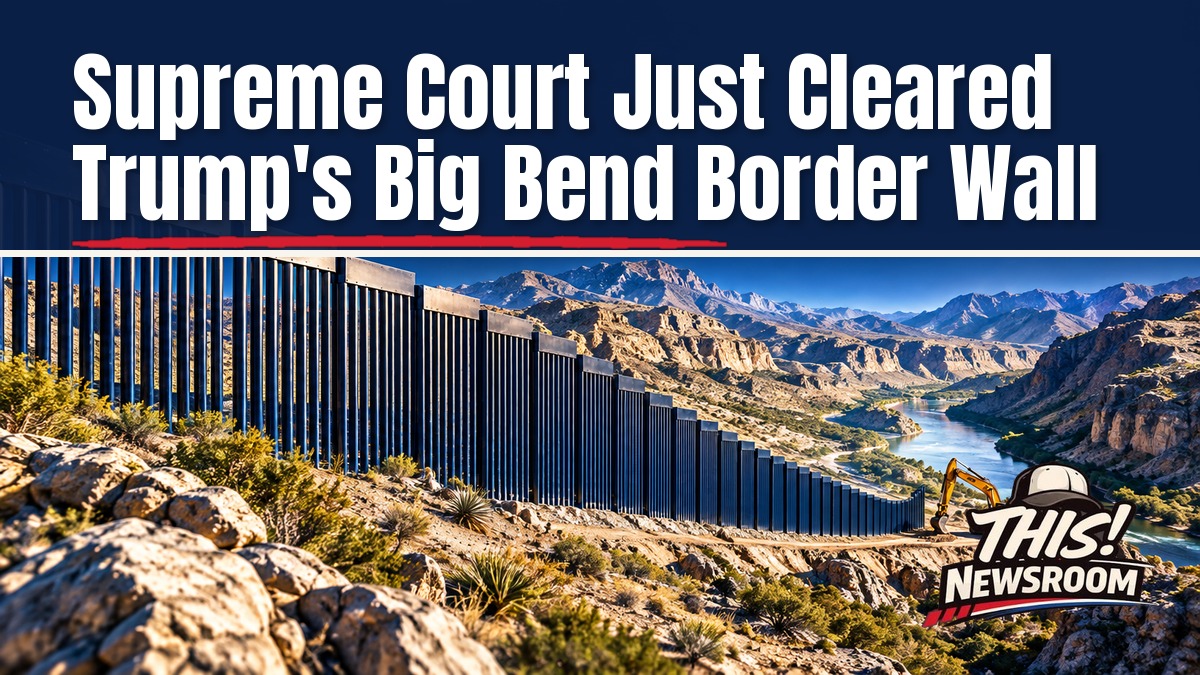
The bulldozers just got their green light. The Supreme Court cleared the way for the Big Bend border wall to keep going, through one of the wildest stretches of Texas. In an unsigned order on Monday, the justices paused a lower court ruling that had halted construction of border barriers and roads in the Big Bend Sector, CNN reports.
Here’s the short version for Texans: crews can roll again while the legal fight plays out.
What the Supreme Court did on the Big Bend border wall
The order stays an injunction from U.S. District Judge Kathleen Cardone in El Paso. According to the Texas Tribune, the vote was 8-1. Justice Ketanji Brown Jackson dissented without explaining why. AP also reports Jackson’s dissent.
The administration went to the high court after Cardone declined to pause her own ruling, NBC News reports. The Justice Department made its request on Oct. 21.
The ruling runs five pages, per CBS News. The justices said the lower court’s order “impedes the Government from advancing its ‘compelling interests’ in border security and integrity.”
The legal hook: Congress picked speed
The lawsuit challenges how the federal government used environmental-law waivers to skip normal rules. On one big point, the Court sided with the government. It said the law Congress passed “reflects a clear preference for expeditious border construction over the very harms respondents assert.”
Translation: when Congress lets the government waive environmental rules, judges have very little room to step in. AP says the Court agreed the law sharply limits that power. For Big Bend wall construction, that is the whole ballgame so far.
Texas border barrier plans: this is Texas land, and it’s personal
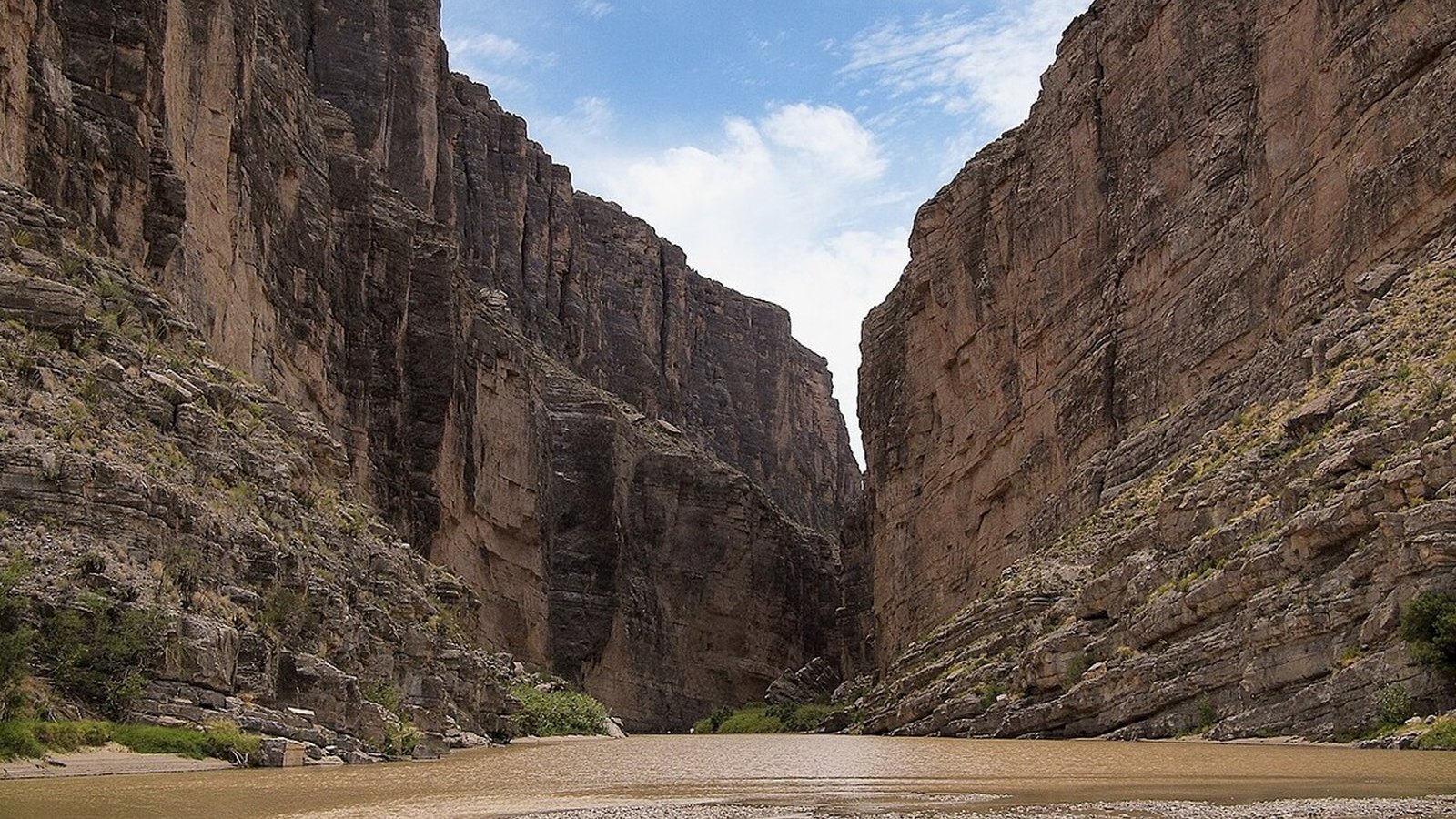
Big Bend isn’t a blank map. The sector covers more than 500 miles of the border and includes Big Bend National Park. CBP told NBC News it plans new barriers or upgrades along the entire 517-mile stretch, including areas inside the national and state parks.
CNN says the administration is pushing to speed up 300-plus miles of barrier and roads in the region. Those figures measure different things, so the exact mileage that will actually get built isn’t clear yet. Meanwhile, CBS reported in October that work on a 47-mile stretch began in September.
Opposition has not been a one-party affair. NBC News reported that officials from both parties in far West Texas have pushed back on the plans. Sen. John Cornyn wrote that border sheriffs, county judges, landowners and park advocates raised significant concerns about barriers in the parks. Texas politics is getting complicated, as our look at how Greg Abbott outspent Hinojosa 6 to 1 and still lost shows.
Here’s the thing: this is land that people hike, ranch and live beside, and the challengers say construction will hurt their ability to use and enjoy the area. The Supreme Court acknowledged that point in its opinion.
They also point out that Big Bend has the lowest apprehension rates along the border. Court filings cited by CBS show the sector’s share of border-wide apprehensions has run between 0.3% and 2.2% a year. Yet it covers more than 25% of the border.
CBP Commissioner Rodney Scott said in August, “We are NOT building a 30-foot wall or stadium lighting through Big Bend National Park, Big Bend Ranch State Park, or the Black Gap Wildlife Management Area.” That was before the ruling. Earlier reporting on what a public map showed was never fully squared with it.
What we don’t know yet about the Big Bend National Park wall
Plenty. We can’t confirm yet whether work is resuming inside the national park right now. CBP paused park construction earlier this year, and no word on that pause has surfaced. As of this writing, no statements from CBP, DHS or the plaintiffs on the ruling were available.
The legal posture also gets described a few different ways. CNN says the stay lasts while the Court weighs the administration’s authority to bypass environmental rules. The Texas Tribune, however, says it lasts while the administration seeks further review.
The Court has been here before. In 2019 it voted 5-4 to let wall funding move forward, and the ACLU noted then that a temporary order doesn’t decide the case. The same logic applies today. The border is also not the only front. Tariffs are another, as 50% tariffs now hit Canadian valves and carpets.
So the question for Big Bend is simple: how much wall will crews build before anyone gets a final answer?