

Lose the majority, keep the boss. With Thune re-elected leader on Tuesday, Nov. 10, Senate Republicans stuck with the South Dakota senator a week after a midterm night that cost it control of the chamber.
It was not a close call. Thune ran unopposed, and the result came by acclamation with no recorded vote, according to his spokesman Ryan Wrasse. A Senate GOP aide then announced it at 3:40 p.m. ET, per The Hill.
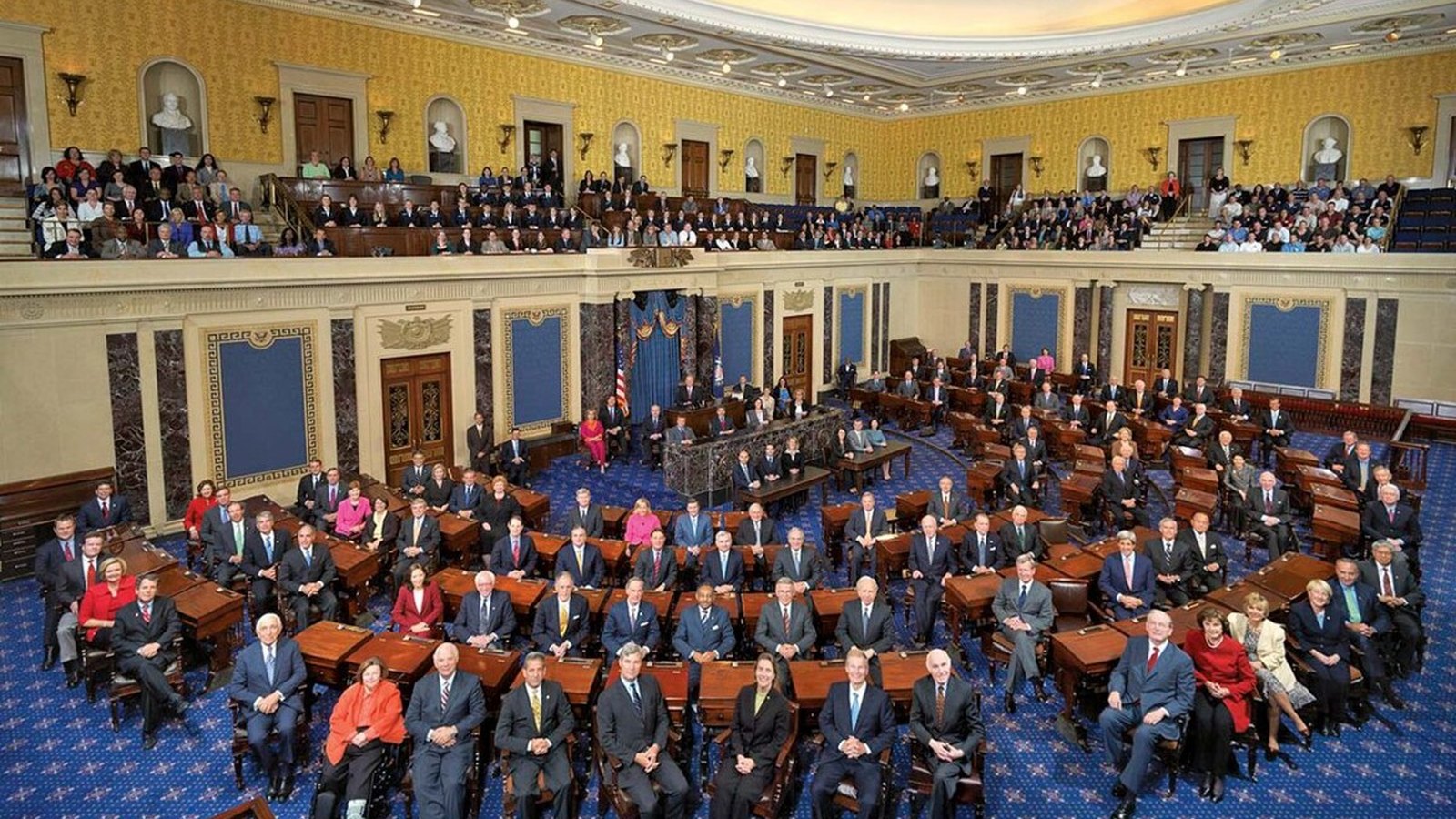
Thune re-elected leader after a wipeout, with no challenger
Here is the part worth pausing on. Republicans lost at least seven Senate seats, and CBS projects Democrats will take control in January. For the full picture, see how Democrats took the Senate. Upsets included Texas, South Carolina and Kansas.
Yet no one stepped up to run against the Senate GOP leader when it happened.
Rick Scott, who challenged Mitch McConnell in 2022 and Thune in 2024, declined to run again, Roll Call reported. Meanwhile, some senators saw John Barrasso as a better option, per Axios. But Barrasso wouldn’t run unless Thune chose not to.
The rest of the slate was re-elected too. Barrasso stays as whip, Tom Cotton remains conference chair, and Shelley Moore Capito keeps the policy chair.
The Republican leader vote almost got delayed
That doesn’t mean everyone was happy. Republicans held three separate closed-door meetings before the vote. Senators pushed to put the election off, and Axios reported eight Republicans wanted a delay.
Sens. Dave McCormick and Jim Banks planned to float one week. Ron Johnson’s group of five, however, planned to propose a month. Josh Hawley also joined the calls to postpone.
In the end, the conference voted to go ahead anyway. Johnson left the meeting after the delay effort failed.
Sen. Jim Justice made the case for the skeptics plainly. “Legitimate argument that, good gracious, if we lost as badly as we lost, why would we continue on with the same leadership?” he said. Sen. James Lankford countered that Thune “has widespread support,” as he told the AP.
Colleagues also credited Thune with raising more than $800 million to help Republicans defend the majority. That is hard to argue with, even in a bad year.
Here’s the thing: what changes for you
Thune won’t run the Senate in January. Instead, he will lead the minority, and Democrats will set the agenda. That matters for anything you care about that needs Senate action, from spending bills to judges.
Chuck Schumer has already promised “legislative razor wire” against President Trump, according to CBS’s election coverage. For a wider look at the stakes, read how Trump’s last two years just got a lot harder.
On Monday, Thune called the midterms a “tough night.” He also said that “the American people are not looking for socialist government and leftist fantasies.” Trump called Thune “a very fine man” and said the decision was “up to the Senate.” That is a notable shrug from a president who has clashed with Thune, including over his refusal to change Senate rules to advance voting legislation.
What happens next now that Thune keeps leadership
Thune’s first test comes before he loses the gavel’s power. After the vote, he said the conference would “finish this legislative session strong,” pointing to judicial and executive-branch nominees and funding the government. The lame-duck session could last nearly seven weeks if Republicans cancel the Thanksgiving and Christmas breaks.
The final seat count is also still settling. AP and CBS say “at least seven” seats were lost, while NBC’s tally shows Democrats at 54 and Republicans at 44. The Alaska and Mississippi races will decide the final margin, and Sen. Dan Sullivan’s Alaska race is one to watch.
Across the Capitol, House Republicans chose Jim Jordan as their leader over Steve Scalise the same day. So both chambers will now be run by Republicans who just lost.
Thune kept his job by asking senators to trust him through the hard part. The question every voter should ask is the one Justice raised: what, exactly, changes?