

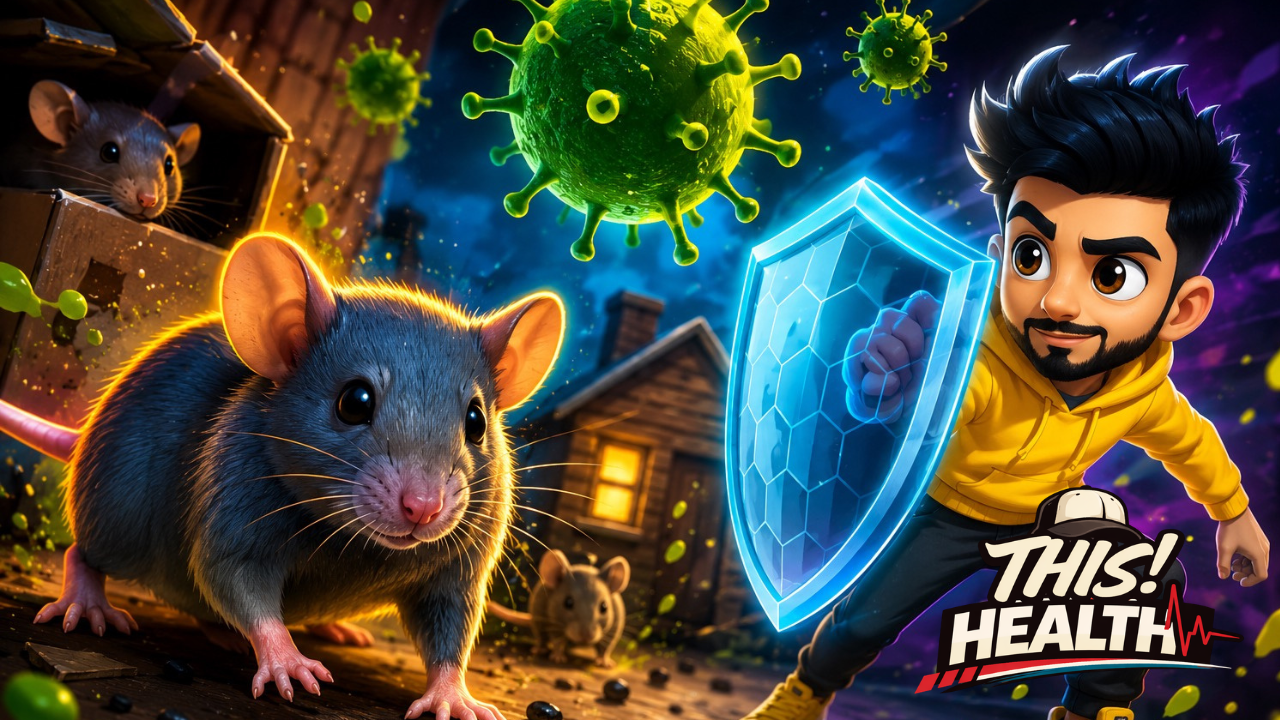
The word “Hantavirus” has recently surged across social media, sparking fear, rumors, and a wave of misinformation. Some posts have falsely claimed it is “the next pandemic,” while others incorrectly compare it to COVID-19 or suggest it spreads rapidly from person to person.
Here’s the reality: Hantavirus is a very real and potentially dangerous disease, but it is also relatively rare. Understanding what it is — and what it is not — matters far more than viral panic posts.
What Is Hantavirus?
Hantavirus refers to a group of viruses carried mainly by rodents, particularly deer mice and certain rat species. Humans can become infected when they come into contact with infected rodent urine, droppings, or saliva.
The virus was first widely recognized in the United States during a 1993 outbreak in the Four Corners region, where Arizona, New Mexico, Colorado, and Utah meet.
There are two major categories of hantavirus illnesses:
- Hantavirus Pulmonary Syndrome (HPS) — primarily found in the Americas and affects the lungs.
- Hemorrhagic Fever with Renal Syndrome (HFRS) — more common in Europe and Asia and affects the kidneys.
In the United States, health officials are most concerned about HPS because it can become severe very quickly.
How Do People Get It?
The most common way humans contract hantavirus is by breathing in tiny airborne particles contaminated with infected rodent waste.
This can happen when:
- Sweeping or vacuuming rodent droppings
- Cleaning garages, sheds, cabins, or attics with rodent infestations
- Disturbing nests or contaminated dust
- Touching contaminated surfaces and then touching the mouth or nose
Although rare, bites from infected rodents can also transmit the virus.
Importantly, hantavirus is tied heavily to environmental exposure — not casual daily interaction with other humans.
What Hantavirus Is NOT
This is where misinformation has exploded online.
Hantavirus Is NOT a New Virus
Hantaviruses have existed for decades and are well known within the medical community. Scientists and public health agencies have been tracking them for years.
Hantavirus Is NOT Highly Contagious Like COVID-19
One of the biggest myths online is that hantavirus spreads easily between people.
In North America, person-to-person transmission is extremely rare and has not been shown to drive outbreaks the way respiratory viruses do. Most infections come directly from rodent exposure.
That means:
- You are unlikely to catch it from walking past someone.
- It does not spread casually through crowded public spaces.
- It is not considered an airborne pandemic threat in the same category as influenza or COVID-19.
Hantavirus Is NOT Common
Despite headlines and social media fear, hantavirus infections remain rare in the United States.
According to public health data, only a relatively small number of cases are confirmed annually. However, the disease can still be serious, which is why awareness matters.
Symptoms to Watch For
Early symptoms often resemble the flu, making initial diagnosis difficult.
Common symptoms include:
- Fever
- Fatigue
- Muscle aches
- Headaches
- Chills
- Nausea or vomiting
As the illness progresses, breathing problems can develop rapidly. In severe cases, fluid builds up in the lungs, which can become life-threatening.
Anyone experiencing severe respiratory symptoms after rodent exposure should seek immediate medical care.
Why the Fatality Rate Sounds Scary
One reason hantavirus trends online is because headlines often mention its relatively high fatality rate.
That statistic is real. Certain forms of HPS can be extremely dangerous if not treated quickly. However, context matters:
- Cases are rare
- Most people are never exposed
- Awareness and early medical treatment improve outcomes
The existence of a high fatality rate does not automatically mean a widespread public health emergency is occurring.
The Social Media Misinformation Problem
Platforms like TikTok, X, Facebook, and YouTube often amplify fear-based content because alarming headlines drive engagement.
Some false claims currently circulating include:
- “Hantavirus is the next COVID”
- “Millions are about to die”
- “The government is hiding outbreaks”
- “It spreads through the air everywhere”
There is currently no evidence supporting those claims.
Public health experts continue to emphasize that hantavirus outbreaks are generally isolated and linked to rodent exposure, not broad community spread.
How to Protect Yourself
Fortunately, prevention is relatively straightforward.
Reduce Rodent Exposure
- Seal holes in homes and garages
- Store food securely
- Remove nesting areas
- Use traps if necessary
Clean Safely
Never vacuum or sweep dry rodent droppings directly.
Instead:
- Ventilate the area
- Wear gloves
- Spray disinfectant or bleach solution
- Wipe up material carefully
- Wash hands thoroughly afterward
These simple steps significantly reduce risk.
Why Accurate Information Matters
Fear spreads faster than facts online. That makes it easy for rare diseases to become viral topics filled with exaggeration and confusion.
Hantavirus is serious, but it is not a reason for mass panic. Understanding the actual risks — rather than social media speculation — helps people stay informed without becoming overwhelmed.
In an era where every health story can trend globally within minutes, critical thinking may be one of the most important tools people have.