
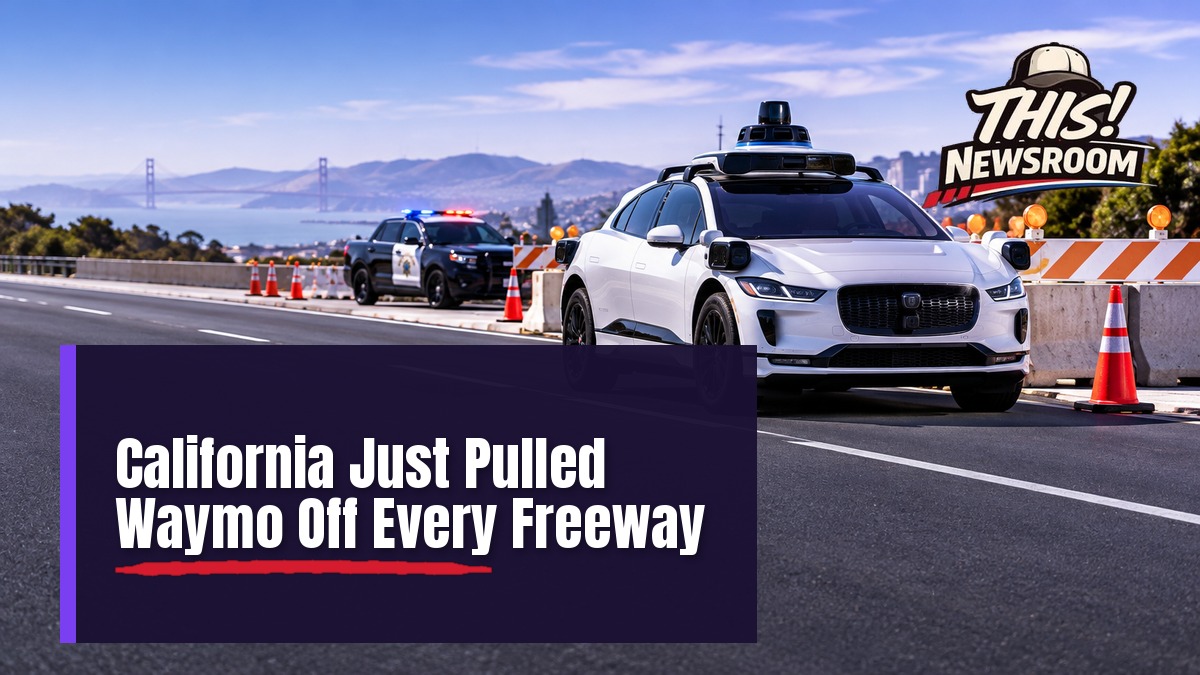
Robotaxis are supposed to be the careful ones, so it stings when the state pulls them off the road. California just pulled Waymo’s driverless cars off every freeway in the state, and the company has now paused freeway rides everywhere else it operates too.
The state DMV says the order took effect Nov. 11 and confirmed it Tuesday.
The reason is blunt. The DMV says Waymo’s driverless freeway operations pose an “imminent hazard to public safety.” That came after a similar scare earlier this year. The new rule leaves Waymo California freeways off limits for now.
Why the Waymo freeway ban happened
In a statement to Gizmodo, the DMV pointed to “recurring incursions by its vehicles into active construction zones where construction workers, vehicles and equipment are present.” It added that this happened despite a prior restriction and corrective actions after similar incidents on May 18.
Per CNN’s reporting, three Waymo vehicles drove into an active, closed construction zone on US-101 near Burlingame. Waymo says nobody was hurt and nothing collided.
Separately, a Waymo tried to pass California Highway Patrol vehicles. Those officers were running a traffic break on I-280 in San Francisco. Video of that moment went viral.
Here’s the thing: this robotaxi freeway ban is round two
This is not Waymo’s first freeway timeout. The company paused freeway service in May after videos showed cars crossing cones in work zones. It then recalled 3,800 vehicles in June. Freeway rides came back in July, according to Engadget.
So the question regulators are asking is simple: if the fix worked, why did the cars do it again?
Waymo launched public freeway rides in November 2025. Freeway access soon became central to its growth, including trips to the airport. Waymo’s own blog says it logged millions of freeway miles before opening them to riders. The driverless freeway ban now undoes that expansion in California.
The robotaxi race is also getting crowded. Tesla is pushing hard on its own driverless cab, and the $299-a-month fee on Tesla’s Cybercab shows how much money is riding on autonomy working at scale.
What the Waymo freeway restriction means for riders
Nothing changes on surface streets. Waymo says normal California operations continue there.
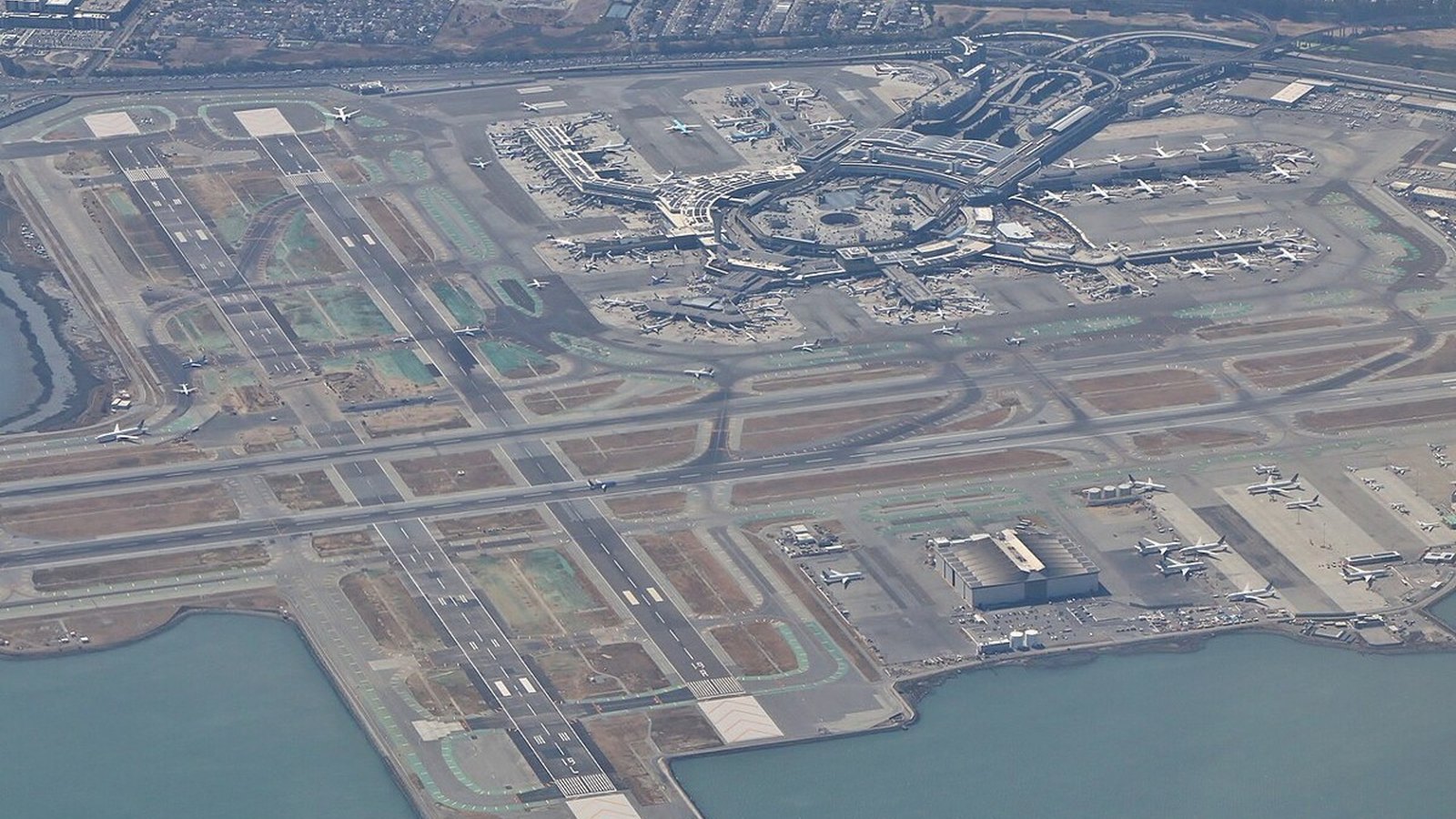
But if you used freeways to shorten your trip, expect a longer route. Longer routes can mean longer rides. They could also mean higher fares than Uber or Lyft, though no pricing changes have been reported. The restriction also means no Waymo trips to SFO, the second such gap since airport service began in January, per SFist.
Outside California, the freeway pause is Waymo’s own call, not a regulator’s order. A Waymo spokesperson said the company has “temporarily restricted freeway operations across our other operating markets to evaluate our performance.”
How long will Waymo California freeways stay closed?
Nobody knows yet. The restriction stays until Waymo shows “effective corrective actions to address the deficiencies that precipitated the restrictions,” DMV spokesperson Jonathan Groveman said. Then the DMV decides whether Waymo gets its freeways back.
Waymo says it is “working with the California DMV and other state officials diligently and responsibly to resume freeway operations.” No end date has been reported. Neither side has said whether the corrective plan will be made public.
Watch for three things. First, will Waymo release its fix? Second, how long will the DMV take to sign off? Third, will other regulators step in? Cities are already weighing robot rules, as Philadelphia’s push to tax delivery robots shows.
The state did suspend Cruise’s permits in 2023 over safety problems, though nothing here suggests Waymo faces anything like that. A robotaxi company can get a second chance in California.
A third strike on a freeway full of workers would be a very different conversation.