Three US aircraft carriers are now in the region, and on Tuesday US fighter jets hit an Iranian missile launch site on Qeshm Island. Two US military officials confirmed the Qeshm Island strike to Fox News. They called it a self-defense action against a site run by the Islamic Revolutionary Guard Corps (IRGC). It is the latest flare-up in a nine-month standoff.
Here’s the thing: why a Qeshm airstrike matters to you
Qeshm is the largest island in the Persian Gulf. It sits next to the Strait of Hormuz, the choke point for a huge share of the world’s oil and gas shipments. When shots are fired there, shipping insurers and oil traders pay attention long before the rest of us do. For a broader look at the market side, see our explainer on why oil flipped to surplus despite the Iran war.
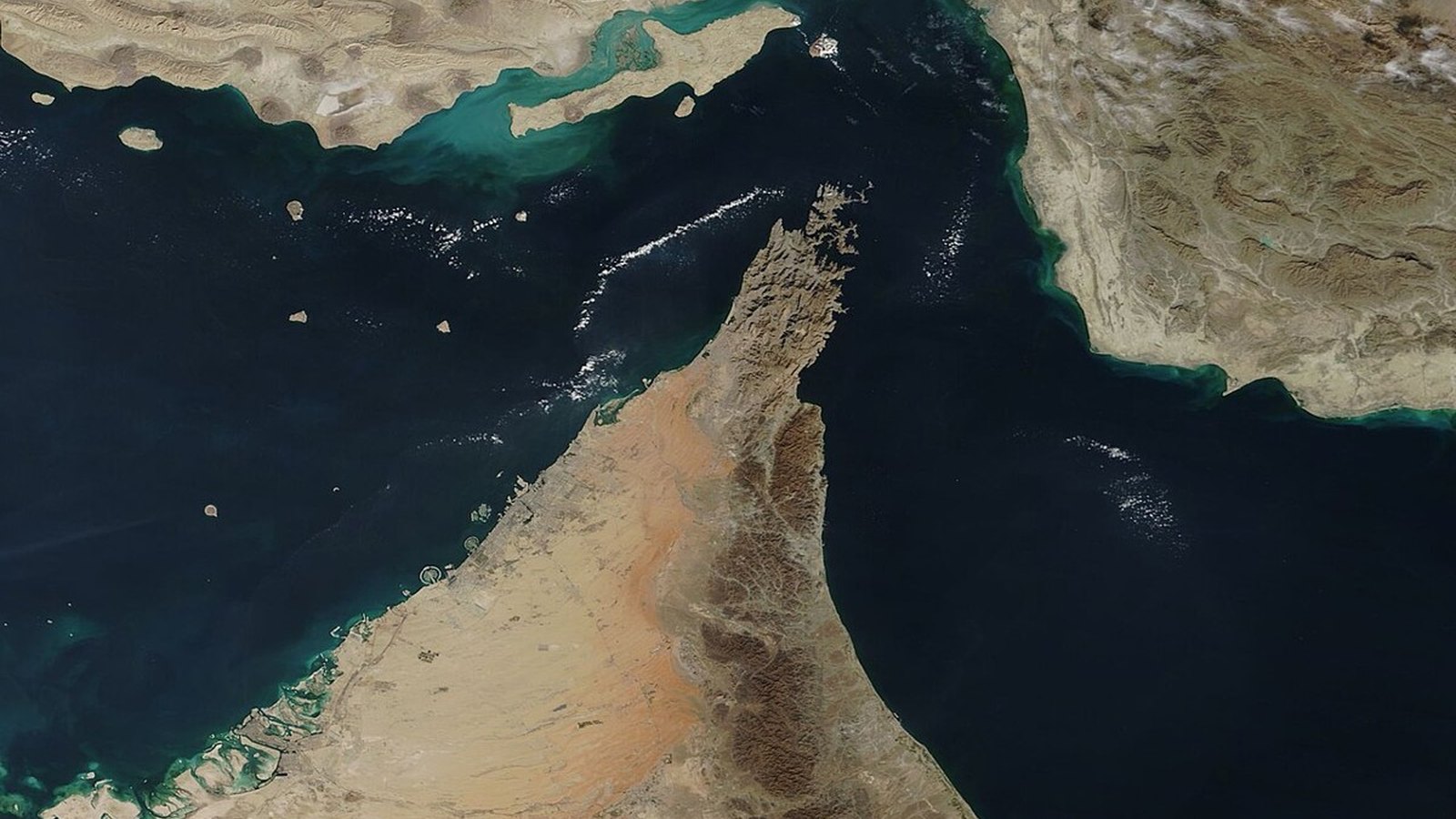
The pressure is already visible. According to ABC News, an engine room fire reportedly disabled a tanker in the strait on Monday, and a second strike hit it on Tuesday.
We found no verified data showing the strike has moved oil or gas prices, so we are not claiming it has. Still, if Hormuz traffic gets more dangerous, the gas pump is where most Americans would feel it first.
What the US says about the Qeshm Island strike
One US military official spoke to the Jerusalem Post. According to that official, US aircraft used precision munitions against the launch site “in self-defense.” The official added that the strike answered IRGC aggression “targeting U.S. personnel and assets.”
The strike came hours after Iran’s IRGC said it had targeted a US-operated radar system at the Sheikh Isa base in Bahrain. According to Al Jazeera’s live coverage, US Central Command said its forces intercepted the Iranian drones. American equipment took no damage, and no one was injured.
The IRGC said its attack responded to repeated US drone violations of Iranian airspace. Tehran has offered no evidence, such as flight tracks or radar data, to back that up.
What Iran says about the US strike on Qeshm
Iran’s version is quieter. Ahmad Nafisi, deputy governor of Hormozgan Province, confirmed the US attack. He said it caused “no damage to residential, commercial, or infrastructural areas,” according to TRT World, citing IRNA. He added that the situation on the island was under control.
That statement is carefully worded. It says nothing about military targets. Per Ynet, Iranian media reported five or six explosions and said a strike hit an air-defense missile launcher in the Nariman area.
Washington calls the target a missile launch site, while Tehran’s media call it an air-defense launcher. Nobody yet knows how much damage the strike did to military gear.
A pattern, not a one-off
The Washington Examiner calls this the third confirmed US strike on Qeshm this month. That count comes from one outlet. The Nov. 2 strike is well documented. According to the Jerusalem Post, US officials described it as defensive after an IRGC missile launch from the island at a US aircraft.
The Nov. 6-7 episode is murkier, because President Trump spoke of “minor strikes” without explicitly naming Qeshm.
Every US account of Tuesday’s strike on the Iran missile site leans on anonymous officials. We found no on-record statement from CENTCOM, the Pentagon or the White House.
Fox, Reuters, ABC and CBS describe one site, but some outlets say “several” sites took hits. An unconfirmed Newsquawk item claims the IRGC fired missiles at US warships afterward. No other outlet has it, so we can’t confirm it. The same uncertainty surrounds the dispute over Iran’s alleged dirty bomb plot.
What happens next after the Qeshm attack
The military buildup is the clearest sign of where this is heading. NTD reports that CENTCOM confirmed the USS Theodore Roosevelt arrived in the region on Nov. 16, putting three US carriers there. That is a heavy presence for a situation officially described as small, limited and defensive.
Diplomacy is running at the same time. Vice President Vance said on Nov. 2 he was optimistic about a negotiated settlement. Iran, however, said the sides were far from a deal, according to CNBC.
Qatar condemned Iran’s attacks on Bahrain as a violation of Bahraini sovereignty and warned they undermine diplomacy. Tehran’s hard line on uranium, covered in our piece on Iran’s refusal to let any enriched uranium leave, makes a quick deal even less likely.
Watch for three things: an on-record Pentagon readout, any Iranian vow of retaliation, and whether attackers keep hitting tankers in Hormuz. Right now both sides keep calling their moves defensive. The question is how many more defensive strikes it takes before one of them stops getting that label.