


Global oil supply hit 105.4 million barrels a day in October, and the world now has an oil surplus for the first time since the Iran war began. The International Energy Agency said Friday that supply has outrun demand, and the gap could grow through 2027, according to its November Oil Market Report.
Here is what it means for you: cheaper crude will not instantly mean cheaper diesel, jet fuel or freight. Refined products are still tight, so relief at the pump and the shipping dock will lag the drop in crude.
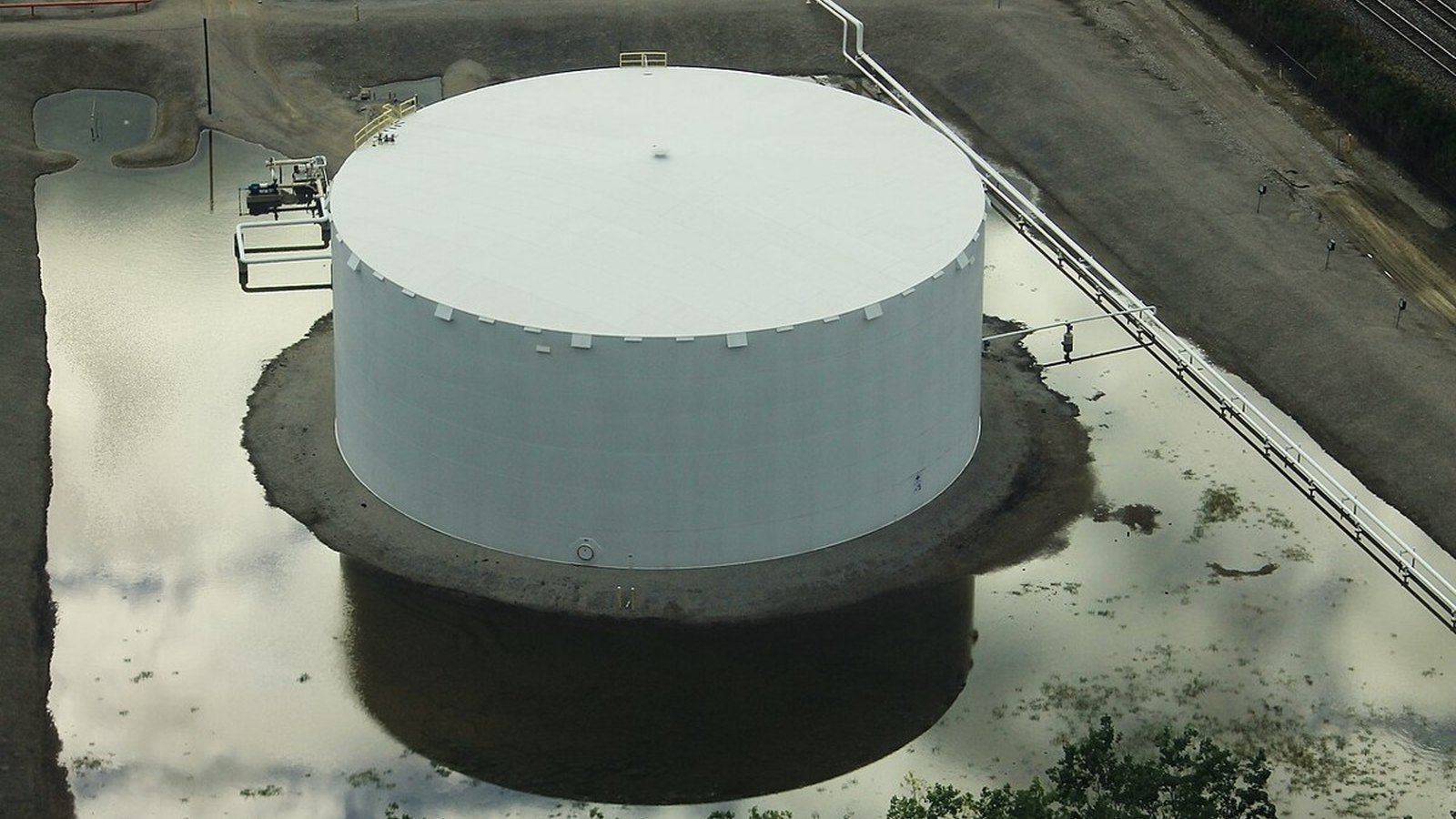
The agency’s own words: the market is “showing tentative signs of rebalancing, with global oil supplies surpassing demand for the first time since the outbreak of the war in Iran.”
The numbers behind the oil surplus
Supply did the heavy lifting. Global output jumped 2.3 million barrels a day in October to 105.4 million. That followed a 3 million barrel jump in September.
Inventories grew by 52 million barrels, the first build since June. Oil sitting on tankers hit its highest level since January.
For the fourth quarter, the IEA sees supply averaging 105 million barrels a day, about 1.7 million above demand. A month ago it was forecasting a deficit. That is a big swing in thirty days.
The reason is simple. In the agency’s words, “Gulf exports recovered much faster than global oil demand.” Gulf shipments, not counting Oman, hit 18.4 million barrels a day in October, Reuters reported. That is still 26% below pre-war levels, but it was enough to tip the scale.
Why demand fell behind the supply surplus
High prices did what high prices do. They made people and businesses use less.
The IEA expects 2026 demand to fall 2.7 million barrels a day to 102.3 million. It then sees a 2 million rebound in 2027.
Supply is forecast to drop 4.8 million this year. Next year it climbs 6.6 million to 108.1 million, with the Gulf adding 5.3 million of that.
That sets up a 2027 crude oversupply of roughly 3.8 million barrels a day. It is a touch below last month’s 3.94 million estimate, per Reuters. The agency trimmed it partly because Iranian shipments are constrained under the US blockade. For more on how fragile supply has been, see our look at the emergency reserve sinking to its lowest level since 1983.
Here’s the thing: the oil glut is not the whole story
Crude is loosening. The fuels that drive your costs are not, at least not yet.
The IEA says Gulf exports of refined products and LPG are still at roughly half of pre-war levels. As Newsquawk noted, tight product supply, especially diesel, remains the overriding concern. Diesel and jet fuel are what move freight, farm costs and airfares.
So a cheaper barrel of crude does not mean a cheaper tank of gas next week. Refiners and shippers pass savings along slowly, so watch local diesel prices and shipping surcharges before you celebrate. We broke down the same lag in why pump prices won’t follow crude’s drop right away.
How the market reacted to the oil market surplus news
It shrugged, mostly, because the drop had already happened. North Sea Dated crude has fallen 32%, according to the IEA. It slid from a high of $136 a barrel in early October to $93.
Brent futures sat near $96 on Friday, down 0.1% after the report, Reuters reported. That is far below last month but still well above where it traded before the war.
Not everyone agrees on the size of the supply surplus
The forecasts are far apart. The IEA sees demand shrinking this year. OPEC’s report this week projects demand growth of about 0.2 million barrels a day.
An oil surplus is only as solid as the demand number you believe, so treat the exact size with caution. JPMorgan, for what it is worth, also projected an October surplus.
What happens next
The war is not over, and neither are the risks. Tanker and energy-infrastructure attacks continue. Reuters reported that some producers are still slipping tankers through the Strait of Hormuz with tracking signals switched off. One more attack could erase a lot of this relief.
Meanwhile, IEA members will release another 71 million barrels of emergency stocks through the end of February. The agency expects demand to start growing again around March 2027. The next IEA report lands December 11, and OPEC’s follows December 14.
The question now is the one drivers and shippers are asking: when does a surplus of crude finally become a cheaper gallon of diesel?