For the first time in years, prediction markets like Kalshi and Polymarket got blindsided by TIME Magazine’s Person of the Year announcement — not because they picked the wrong individual, but because there wasn’t an individual at all.
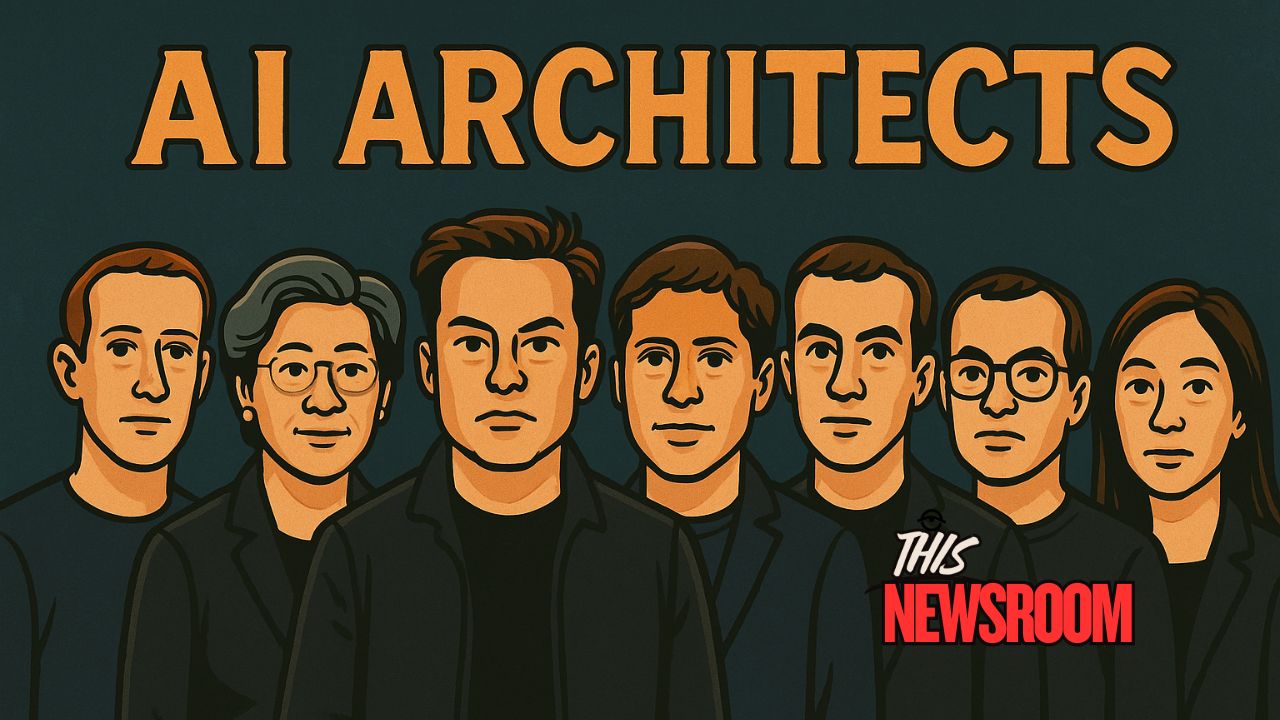
Instead of crowning a single human, TIME named “The Architects of AI” as its 2025 Person of the Year, instantly throwing markets, bettors, and algorithms into chaos. Contracts that had confidently priced outcomes around specific names suddenly became obsolete overnight.
This wasn’t just a surprise.
It was a statement.
How Kalshi and Polymarket Missed the Call
Prediction markets thrive on clear definitions. A “person” implies a single, identifiable human being. Traders priced contracts around familiar contenders:
- Tech CEOs
- Political leaders
- Cultural figures
- Geopolitical power brokers
What wasn’t priced in?
The idea that TIME would reject the premise entirely.
By selecting a collective force rather than a person, TIME exploited a blind spot in market design. Contracts didn’t fail because traders were irrational — they failed because the question itself was incomplete.
This moment exposed a core vulnerability in prediction markets:
Markets are only as good as the assumptions baked into their questions.
A Brief History of TIME’s Most Disruptive Picks
TIME has always enjoyed stirring controversy, but this year’s choice fits into a long tradition of culture-shifting decisions:
Notable Historical Curveballs
- 1938 – Adolf Hitler
A reminder that influence, not morality, defines the title. - 1957 – Nikita Khrushchev
Power mattered more than popularity. - 1982 – The Computer
The first time TIME acknowledged technology as the dominant force of the era. - 2006 – You (The Individual)
A nod to the rise of social media and user-generated content. - 2011 – The Protester
A collective symbol rather than a single face.
Each of these moments marked a shift in how power operates. The 2025 selection belongs firmly in that lineage.
Why “Architects of AI” Is a Defining Moment
This year’s choice is less about celebrating engineers and more about acknowledging systems-level power.
AI isn’t a product.
It isn’t a company.
It isn’t even one invention.
It’s an ecosystem shaped by:
- Researchers and engineers
- Corporate decision-makers
- Policymakers and regulators
- Data contributors (often unknowingly)
By naming Architects of AI, TIME is signaling that influence has become distributed, and that the most important forces shaping society may no longer have a single face.
What This Means for Culture, Markets, and the Future
1. Influence Is Now Collective
The era of the lone visionary is giving way to networked power. Decisions emerge from systems, not speeches.
2. Prediction Markets Need Better Questions
Markets didn’t fail on odds — they failed on imagination. Future contracts will need to account for:
- Group outcomes
- Abstract entities
- Structural forces
3. AI Is No Longer a “Tech Topic”
TIME’s decision confirms what many already feel:
AI is now a civilizational force, on par with the internet, electricity, or the printing press.
The Bigger Signal TIME Is Sending
TIME didn’t just choose a winner.
It redefined the category.
By rejecting a single person, the magazine made a subtle but powerful claim:
The most important decisions shaping our lives are no longer made by individuals alone — they are made by systems we barely understand, but deeply depend on.
And that’s why Kalshi and Polymarket didn’t just lose a bet this year.
They lost a paradigm.
Final Thought
In years past, Person of the Year sparked debates about who deserved it.
This year, it sparked a deeper question:
What does “person” even mean in the age of artificial intelligence?
TIME answered it — and the markets are still catching up.