
Welcome to the Soft Launch of Humanity 2.0
If you thought naming generations was already confusing—welcome to the next software update.
According to demographers and trend-watchers, babies born starting in 2026 will be classified as Generation Beta. Yes, Beta. As in beta test. As in still working out the bugs. As in please do not shake the baby, this feature is still loading.
Before anyone panics, no—this does not mean your child is an unfinished product. But it does say a lot about where society, technology, and culture believe humanity is heading.
And honestly? The name might be more accurate than we’d like to admit.
What Is Generation Beta, Exactly?
Generation Beta is the label being applied to children born from 2026 through approximately 2039, following Generation Alpha (born 2010–2025).
The naming comes from the same Greek-alphabet logic that brought us Alpha—except this time, instead of signaling leadership and dominance, Beta carries a very modern implication:
Constant updates, live testing, and no clear final version.
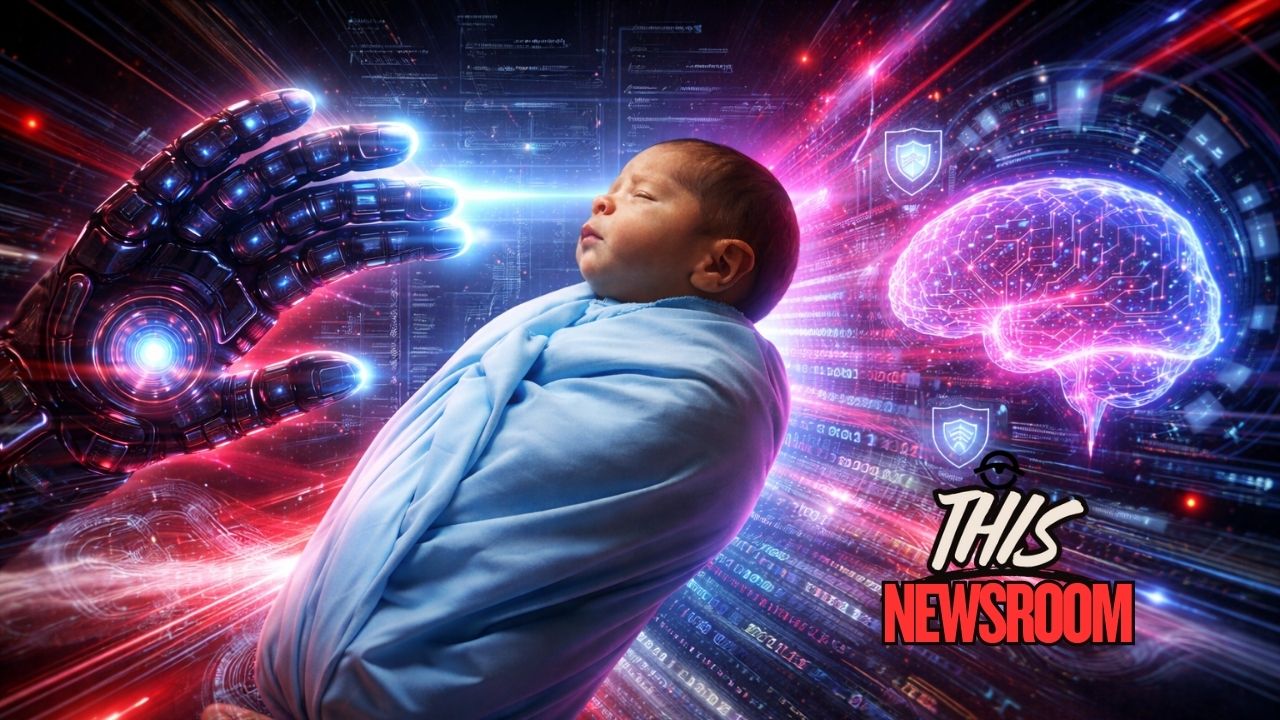
If Gen Alpha grew up with iPads in strollers, Gen Beta will grow up inside fully immersive AI systems, adaptive learning platforms, biometric monitoring, and homes that ask them how they’re feeling.
They won’t “learn” technology.
Technology will quietly learn them.
Why “Beta” Sounds Like a Joke (But Isn’t)
Let’s address the elephant in the nursery.
In internet culture, beta has… baggage.
It’s been used to describe:
- People who follow instead of lead
- Products released before they’re ready
- Systems prone to bugs, crashes, and “unexpected behavior”
So yes, calling an entire generation “Beta” sounds like the ultimate corporate prank.
But demographers aren’t thinking about Reddit insults—they’re thinking about development cycles.
A beta version isn’t weak.
It’s adaptive.
It learns from feedback.
It updates fast.
And it improves continuously.
Which, ironically, may describe this generation better than any before it.
Born Into AI, Not Introduced to It
Generation Beta won’t remember a world without:
- Artificial intelligence assistants
- Algorithm-driven education
- Predictive healthcare
- Personalized digital identities
While Millennials remember dial-up and Gen Z remembers YouTube without ads, Gen Beta will never experience “offline” as the default.
This raises serious questions:
- What happens when creativity is co-authored by machines?
- Who owns thoughts generated with AI assistance?
- How do you teach patience in a world of instant optimization?
According to research from the Pew Research Center, children born into high-tech environments develop different cognitive expectations, especially around speed, personalization, and feedback loops.
👉 External resource: https://www.pewresearch.org
In other words, Gen Beta won’t ask how things work.
They’ll ask why things aren’t working better yet.
Parenting the Beta Generation: Godspeed
Let’s talk about the parents.
If you’re having a child in 2026, congratulations—you’re not just raising a human. You’re managing a live-service human platform with regular updates, emotional firmware patches, and the occasional system reboot at 2:47 a.m.
Unlike previous generations:
- Screen time won’t be optional
- Digital literacy won’t be a skill—it’ll be oxygen
- “Back in my day” stories will expire in under five years
Expect parenting debates to shift from “Should kids be on devices?” to
“Which AI tutor aligns best with our moral framework?”
Light reading. Totally normal stuff.
Is Generation Beta Doomed… or Designed for the Future?
Here’s where the satire stops being funny and starts being important.
Every generation gets labeled:
- Boomers were rigid
- Gen X was apathetic
- Millennials were entitled
- Gen Z was anxious
And yet—each generation adapted to the world it inherited.
Generation Beta is inheriting:
- Climate uncertainty
- Political fragmentation
- Accelerating technology
- A redefinition of work, education, and identity
If they feel like a “beta test,” it’s because humanity itself is in transition.
And that may make them the most:
- Flexible
- Emotionally intelligent
- Systems-aware
- Problem-oriented generation yet
According to Encyclopaedia Britannica’s work on generational theory, labels matter less than context—and context has never moved faster.
https://www.britannica.com
So… Should We Be Worried?
A little. But not for the reasons people think.
The real concern isn’t that Gen Beta will be “unfinished.”
It’s that adults may project fear instead of responsibility.
Every generation needs guidance, not panic.
Curiosity, not control.
Principles, not predictions.
If Gen Beta is the test version of the future, then the question isn’t:
“Are they ready?”
It’s:
“Are we?”
Final Thought: Welcome to the Beta Era
Generation Beta isn’t a joke—it’s a mirror.
A reflection of a world that’s moving faster than tradition but slower than innovation demands.
They won’t just grow up watching history unfold.
They’ll be asked to actively shape it, often before we’ve finished explaining it.
No pressure, kids.