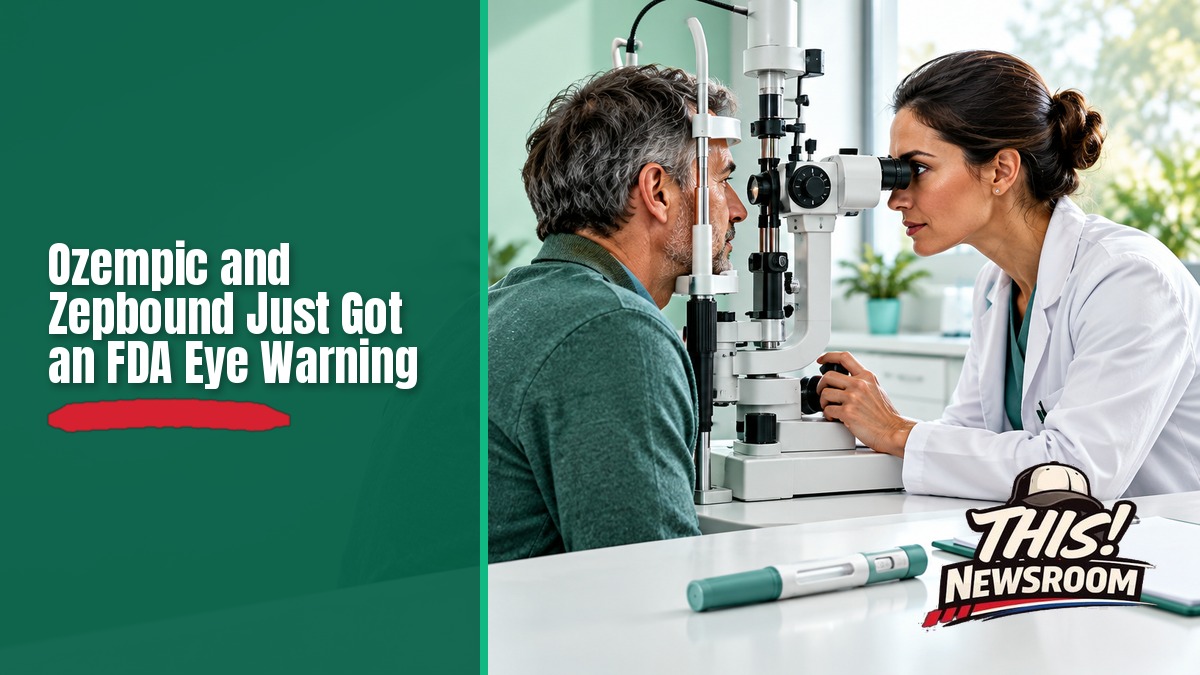
The hardest part of this warning is that nothing hurts. If you or someone you love takes Ozempic, Wegovy, Mounjaro or Zepbound, the label now carries a warning about your eyes.
The FDA now requires every GLP-1 weight-loss and diabetes drug to carry a new safety warning. It covers a rare condition that can cause permanent vision loss. This GLP-1 vision loss warning is now official policy.
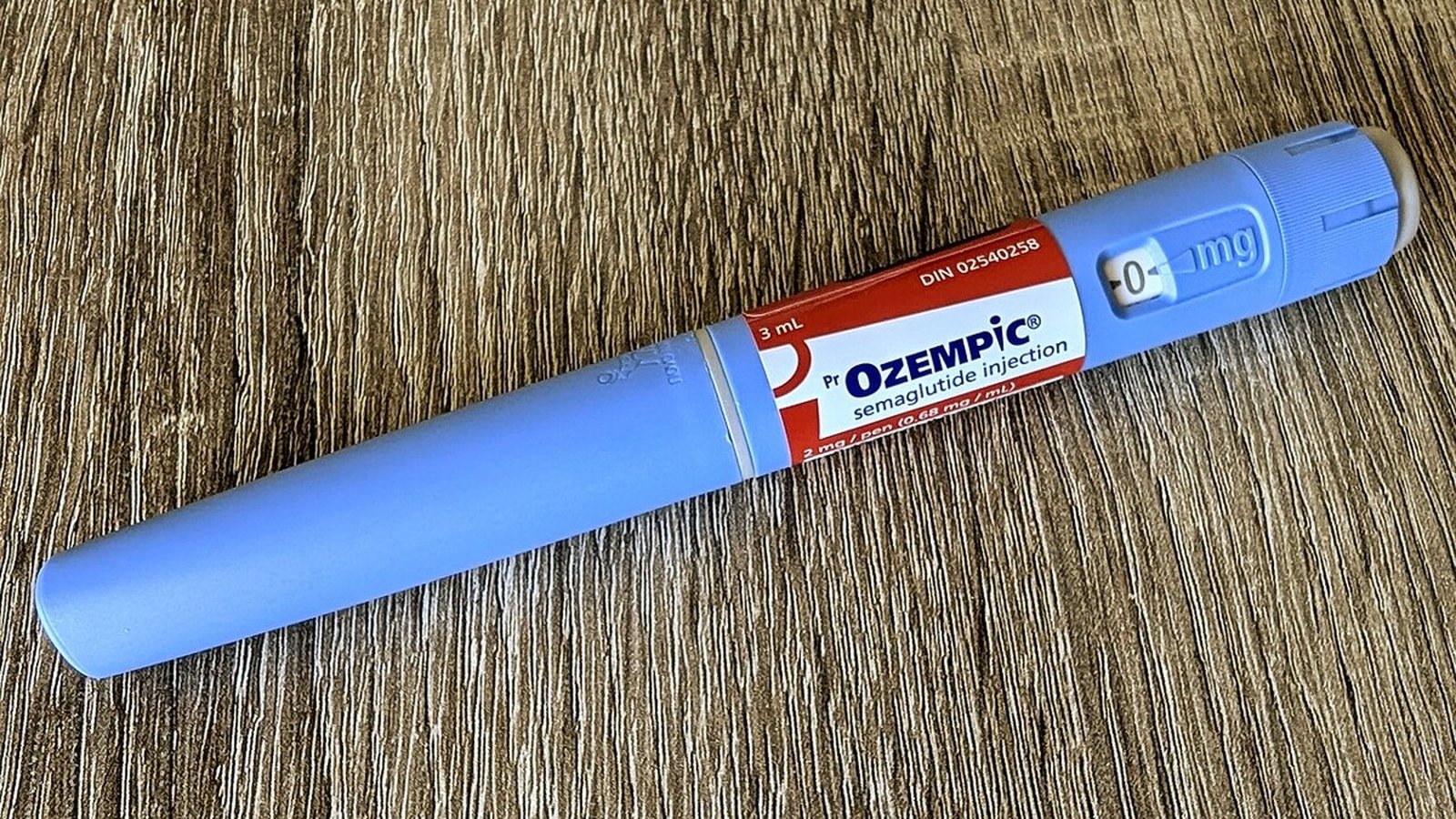
The agency announced the change on Monday, Nov. 9. Here’s the thing: this is not a recall, and nobody is telling you to quit your medication. Still, it is worth knowing exactly what the FDA is saying and what it isn’t.
What the GLP-1 Vision Loss Warning Says
Doctors call the condition NAION, short for non-arteritic anterior ischemic optic neuropathy. In plain English, blood flow to the optic nerve drops. The FDA describes it as “a rare condition that can result in acute, painless, decreased vision in one eye, including permanent vision loss.”
Painless is what makes it so hard to catch. There is no ache to warn you. Symptoms can include blurred vision, blind spots and distorted colors. NAION is also the most common cause of sudden optic nerve injury in people over 50, and plenty of GLP-1 patients fall in that group.
No known treatment reverses vision already lost to NAION. That is why the FDA wants patients to know the signs and act fast.
Which Drugs Carry the GLP-1 Eye Warning
This one is class-wide. The FDA said NAION cases “have been reported for all currently marketed GLP-1 products.” The list includes:
- Semaglutide: Ozempic, Wegovy and Rybelsus
- Tirzepatide: Mounjaro and Zepbound
- Liraglutide: Victoza and Saxenda
- Dulaglutide: Trulicity
- Xultophy and Soliqua
- Foundayo (orforglipron), approved earlier this year
Drugmakers must add the risk to the Warnings and Precautions section of each label. It is not a boxed warning, the FDA’s strongest kind. Wegovy and Zepbound already carry a boxed warning for thyroid tumors, and this addition is separate and lower-tier.
Where the Warning Came From
FDA scientists began looking into the issue after a 2024 medical paper tied NAION to some patients on semaglutide. The agency then reviewed data from 126 clinical trials covering more than 134,000 patients. It also checked reports in its adverse-event tracking system. One study found a higher NAION risk with semaglutide than with other diabetes or weight-loss drugs. That finding pushed the FDA to extend the warning to the whole class.
Europe got there first. Last year, the European Medicines Agency’s safety committee said NAION may affect up to 1 in 10,000 people taking semaglutide for at least a year. The UK regulator issued a similar warning in February. Meanwhile, South Korea’s first suspected vision-loss case shows the concern is spreading beyond the US and Europe.
What Is Still Unsettled About Ozempic Vision Loss
Nobody has proven causation. The label language is “potential increased risk,” and the FDA says the underlying cause is not completely understood. Novo Nordisk makes Ozempic and Wegovy. A spokesperson told CBS News the company “continues to believe the data do not establish a cause-and-effect relationship.”
Eli Lilly, which makes Mounjaro and Zepbound, said it is “carefully evaluating the update and will respond to FDA promptly.” The FDA has not made a deadline for the label changes public.
Citi analyst Geoff Meacham said the FDA action “may temporarily increase patient and investor concern.” However, he expects the benefit-risk profile to hold and changes to prescribing to be limited. Next-generation drugs face the same scrutiny, too, so watch how Lilly’s retatrutide results hold up once safety data matures.
What to Do After the NAION Warning
First, do not stop your medication on your own because of this headline. Second, if you notice any new vision problem, the FDA says to contact a health care professional right away. That includes blurriness, a blind spot or washed-out colors.
Waiting it out is the wrong move with an eye condition that has no fix.
For millions of Americans, these drugs have become as routine as a morning coffee. A warning label does not change the math for everyone. It does change the conversation you should have at your next appointment. Ask your doctor about it, and ask before the next refill, not after.