


4
Earlier this week, officials paused air traffic over El Paso after deploying a high-powered counter-drone laser known as LOCUST. The move caught national attention. However, it also revealed how fast military laser systems are moving from test programs into real-world use.
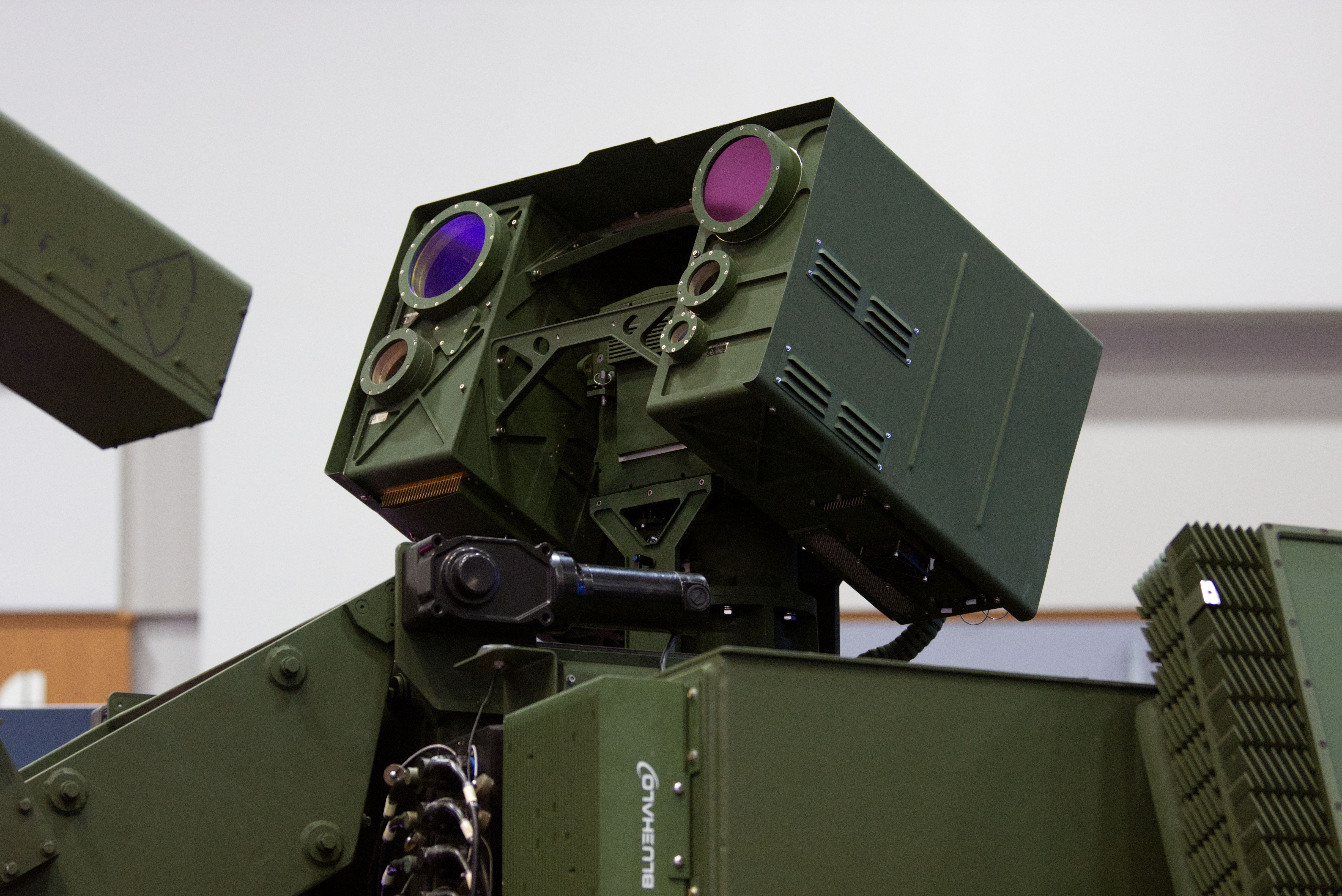
The 20-kilowatt system, developed by BlueHalo and linked to the counter-drone work of AeroVironment, can track and disable small drones using focused heat energy. As a result, military teams can stop airborne threats without firing missiles or bullets.
Because the system operates near active flight paths, the Federal Aviation Administration stepped in and restricted airspace. That decision, while temporary, shows how seriously regulators treat any activity that could affect civilian aircraft.
First, What Is the LOCUST Laser System?
LOCUST is a mobile counter-drone platform. Crews often mount it on a Stryker combat vehicle. Instead of launching a projectile, the system directs a tight beam of energy at a drone.
Consequently, the beam can:
- Overheat a drone’s electronics
- Damage key parts of the frame
- Disable flight controls
- Stop threats quickly and with precision
Unlike traditional weapons, the system does not rely on explosive force. Instead, it delivers controlled heat to a specific target. Therefore, operators can respond faster and at a lower cost per use.
For the U.S. Army, that matters. Missiles cost thousands or even millions per shot. In contrast, a laser system mainly draws power from the vehicle that carries it.
Why Did Officials Restrict Airspace?
Airspace shutdowns rarely happen without serious reason. Typically, authorities close airspace for major security events, emergencies, or high-level travel. In this case, however, officials acted out of caution.
High-energy lasers require tight control. Even though operators aim only at drones, regulators must ensure that:
- No commercial aircraft fly through the engagement area
- Pilots remain protected from stray light
- Onboard sensors avoid interference
- Civilian drone operators stay clear
Because safety comes first, the FAA chose to pause traffic rather than risk confusion or conflict in the sky.
Meanwhile, Drone Threats Continue to Grow
Drone use has expanded quickly in recent years. Around the world, small unmanned aircraft now serve in surveillance, smuggling, and even warfare. As a result, defense teams must adapt just as fast.
Laser systems offer several clear benefits. First, they respond almost instantly. Second, they reduce long-term costs. Third, they limit debris compared to explosive interceptors.
Therefore, military planners see directed-energy tools as a key part of future air defense.
El Paso’s Strategic Location
El Paso sits along the southern border, an area that already sees heavy monitoring. Because of that location, security teams often test or deploy advanced systems there.
Still, operating near a major U.S. city demands coordination. Military teams and aviation regulators must work together in real time. In this case, they did exactly that. They paused traffic, managed the situation, and then reopened the skies.
Public Reaction vs. Reality
At first glance, the phrase “laser weapon shuts down skies” sounds dramatic. However, the reality is more controlled and technical.
Operators did not fire wildly into open airspace. Instead, they worked within defined zones and under clear rules. Likewise, regulators did not panic. They followed standard safety steps.
Even so, the moment sparked broader questions. For example:
- How often will these systems operate near cities?
- How transparent should the military be about tests?
- How will civilian agencies adapt as laser tools become common?
Those questions will likely grow louder as the technology spreads.
What This Signals Going Forward
Directed-energy systems no longer live only in labs or concept slides. Instead, they now sit on vehicles and deploy in real conditions. As drone threats rise, laser defense will expand.
At the same time, public awareness will rise too. Each visible deployment brings more attention. Therefore, agencies must balance innovation with safety and trust.
The skies over El Paso reopened quickly. However, the larger shift in defense technology continues. Laser-based air defense has entered an active phase — and it will shape how the United States protects its airspace in the years ahead.