
Global markets exploded upward Wednesday morning after reports surfaced that the United States and Iran may be nearing a major agreement to end the months-long conflict that has rattled the global economy, disrupted oil supplies, and pushed gas prices above $4.50 per gallon nationwide.
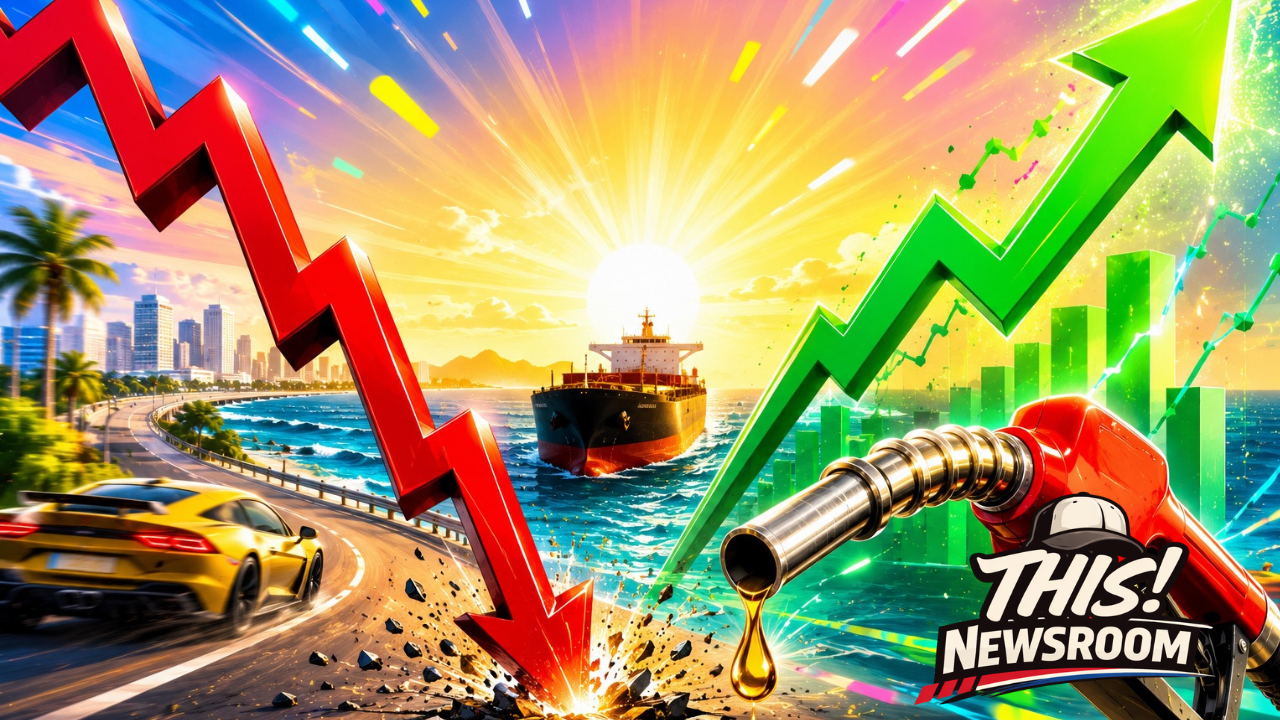
Oil prices dropped sharply on the news, while stock futures surged as investors reacted to hopes that one of the most dangerous geopolitical standoffs in years could finally cool down. According to multiple reports, negotiators are working on a framework that could reopen the Strait of Hormuz and begin a phased de-escalation of military operations.
The Strait of Hormuz has become one of the most important locations on Earth during the conflict. Roughly 20% of the world’s oil supply moves through the narrow waterway, and even partial disruptions have sent shockwaves through energy markets worldwide.
Markets React Instantly
Wall Street wasted no time reacting.
Dow futures reportedly jumped more than 400 points while Nasdaq futures climbed over 1% after news of the potential agreement broke. Meanwhile, crude oil prices fell dramatically, with West Texas Intermediate crude dropping as much as 10% intraday before stabilizing lower. Brent crude also saw a major decline after weeks of volatility.
Investors have spent months fearing a prolonged regional war that could spiral into a broader economic crisis. With inflation already stubborn in several sectors, rising energy costs threatened to reignite fears of recession.
For now, markets appear to be betting on peace.
But Gas Prices Are Still Painful
Even with oil falling, Americans are still getting hammered at the pump.
National average gasoline prices have climbed past $4.50 per gallon for the first time since 2022, according to multiple reports. Some states, including California, have already crossed the $6 threshold in certain areas.
Analysts warn that lower oil prices do not immediately translate into cheaper gasoline. Refining costs, supply chain delays, and depleted fuel inventories mean consumers could continue paying elevated prices for weeks or even months.
That disconnect has frustrated drivers who often expect instant relief when oil prices fall.
Instead, experts say gas stations typically lower prices gradually, while increases tend to happen almost immediately during crises.
Iran Signals Stability — But Stops Short of Confirming Deal
Iran has not officially confirmed that a peace agreement is imminent.
However, Iranian naval officials released a notable statement suggesting tensions may be easing. According to reports, Iran’s navy said that “with aggressor’s threats neutralized & new protocols in place, safe, stable passage through” the Strait of Hormuz “will be ensured.”
That language immediately fueled speculation that backchannel diplomacy has made significant progress behind the scenes.
Still, the situation remains fragile.
Regional skirmishes and military activity have continued throughout the week, and officials on both sides remain cautious about publicly declaring victory before final terms are finalized.
Why This Matters Beyond Oil
This isn’t just about gas prices.
The U.S.-Iran conflict has become one of the defining economic stories of 2026 because energy touches nearly every corner of daily life. Higher oil prices increase transportation costs, airline ticket prices, manufacturing expenses, food distribution costs, and inflation across the economy.
Some economists warned that if the Strait of Hormuz remained blocked for an extended period, oil prices could have surged beyond $150 or even $200 per barrel.
That scenario would have likely pushed the global economy dangerously close to recession territory.
Instead, today’s market rally reflects hope that the worst-case scenario may be avoided.
A Reminder of How Fragile the Global Economy Really Is
The entire episode has become another reminder that global markets remain incredibly sensitive to geopolitical instability.
One military escalation thousands of miles away can instantly impact retirement accounts in Texas, grocery prices in Ohio, and gas stations in California.
And while today’s headlines brought optimism, investors know how quickly things can change.
For now, Wall Street is cheering. Drivers are still paying. And the world is watching to see whether diplomacy can finally cool one of the most dangerous conflicts of the decade.