On Monday, Nov. 16, the Commerce Department’s Bureau of Industry and Security issued an interim rule limiting remote access to advanced AI chips, even as President Trump says he “would certainly not mind” seeing Jensen Huang return as Nvidia’s CEO. That is the Nvidia Huang return story in two moves, and they pull in opposite directions.
Start with the rule, because it has the legal teeth, CBS News reports. It requires licenses to export or transfer advanced semiconductors to Brazil, Indonesia, Malaysia, Singapore and Thailand. Outlets differ on its reach, though. Bloomberg and CBS describe those five named countries, while TechCrunch describes data centers worldwide. We haven’t seen the rule text, so treat the exact scope as still settling.
What the new chip rule does
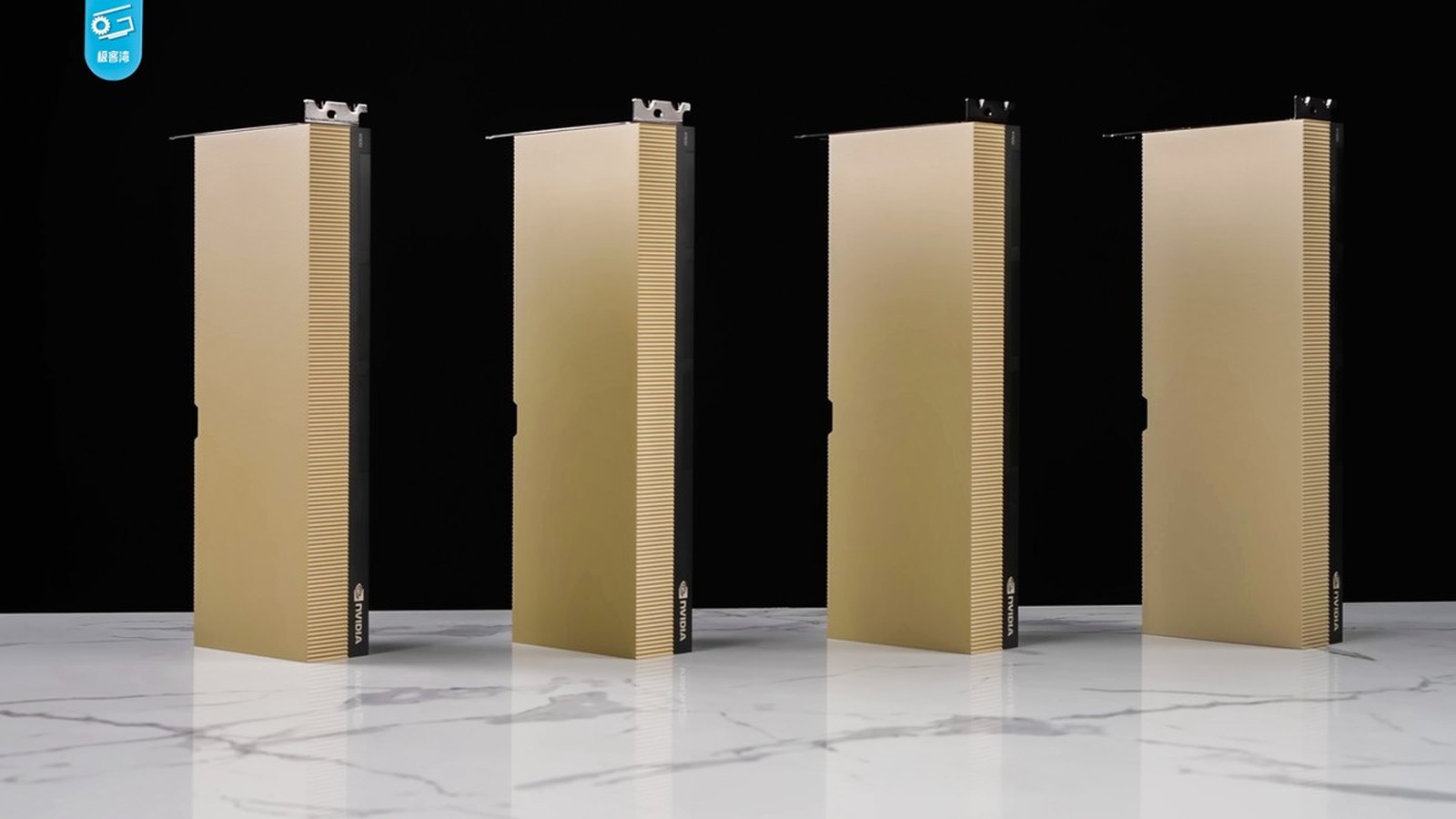
China can’t easily buy the top chips directly. So the worry is that Chinese firms rent that computing power from data centers abroad (remote access, it turns out, is a very long extension cord). The rule closes that loophole by requiring licenses before the chips leave the U.S. TechCrunch reports that licenses are also required for chips and servers headed to data centers anywhere. That covers any site that may supply compute to companies in China or other restricted countries.
However, the rule does not apply to chips headed to U.S. companies. It also skips commercial recommendation systems like e-commerce and social media. The Hill reports the rule takes effect in 90 days, which would put it around mid-February 2027. Commerce says it wants to ensure restrictions “cannot be circumvented through remote computing arrangements.”
Why a Huang comeback comment landed so loudly
Huang resigned as Nvidia CEO on Thursday, Nov. 12. His exit followed revelations of an affair with a suspected Chinese spy, as well as a subordinate at the company, per CBS. Reports name the woman as Alice Huang of the firm Megaspeed. Still, no evidence confirms she spied for China, and sources describe her only as “suspected.”
Asked about a Nvidia CEO return, Trump said, “He could return. There’s a big group of people that would like him to return,” Yahoo Finance reports. He added he “might” raise the matter with Xi Jinping. The President floated discussing a CEO’s job with the leader of the country at the center of the scandal. Nvidia has not said a return is under discussion, and CFO Colette Kress is interim CEO. Meanwhile, the only source for “a big group of people” is Trump himself. Huang was in the news for happier reasons not long ago, when Trump planned to honor Huang with the National Medal of Science.
The timing makes more sense when you see the infighting. Axios reported that Commerce Secretary Howard Lutnick stalled chip curbs even after Trump authorized a crackdown. Treasury Secretary Scott Bessent has blamed Commerce for not putting Singapore-based Megaspeed on the entity list. Fortune notes that Treasury and the National Security Council wrote the new rules, in its words “by and at the direction of” those bodies. Put plainly, the administration is not speaking with one voice.
Trump said he has no plans to replace Lutnick. He also offered a counterpoint on the broader chip trade: “Selling the other chips is a good thing, not a bad thing.” The earlier policy let approved Chinese customers buy H200 chips in exchange for a 25% fee, per Axios.
Congress is circling. Wyden and Neal opened an investigation into that 25% revenue-sharing arrangement, per their release. Sen. Maria Cantwell also sent Lutnick a letter demanding accountability.
What a Huang comeback means for you
Here’s the thing: if you own Nvidia directly or through an index fund, leadership chaos at the world’s leading AI chip supplier is your business. A Nvidia Huang return could calm that chaos, or it could add to it. The sources we reviewed do not quantify any effect on consumer prices for AI or cloud services, so we won’t pretend to. What is clear is that the U.S.-China chip fight now runs through your portfolio. Last week’s AI stock selloff showed how fast that can hurt.
What happens next
Trump heads to Asia this week, with a Trump-Xi meeting expected on the sidelines of the APEC summit. CNN reports that officials are bracing for a Chinese response to the rule. Nvidia’s board still has to settle who runs the company. Its first earnings report since Huang’s exit is also coming. Investors already weighing the fallout can see how Huang’s exit touches Anthropic’s IPO plans.
So the President wants his favorite chip CEO back while his own government tightens the screws on the chips. Both can be true, but they can’t both be the plan.