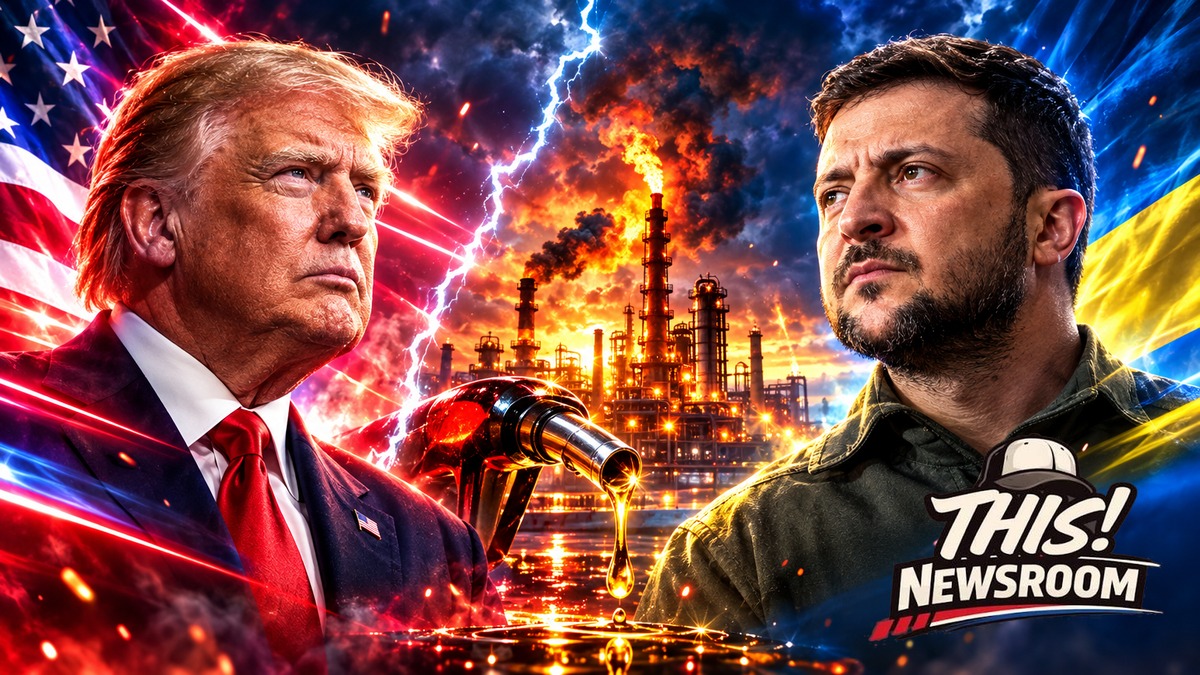
Of all the things to fall out over, it turns out to be the price at the pump. The worst Trump Zelenskiy rift since the full-scale invasion began is playing out over something every American driver knows: fuel prices. Reuters reports that ties between President Donald Trump and Ukrainian President Volodymyr Zelenskiy sharply worsened this week. Ukraine’s most important lifelines are now in question.
How a Diesel Fight Became a Trump-Zelenskiy Rift
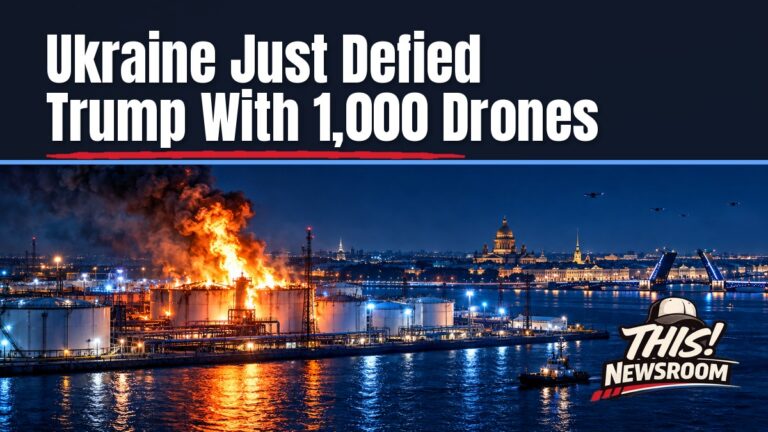
It started with an energy truce nobody honored. Trump announced a surprise energy ceasefire last Sunday, and Ukraine paused its strikes on Russian refineries. Russia, according to Reuters wire reporting, ignored the deal. On Thursday Zelenskiy said Kyiv was “done” with it, and Ukraine hit a Russian refinery that same day.
(A ceasefire works best when both sides show up. This one had one.)

The week before, Trump had abruptly lifted sanctions on Russian diesel. He then called on Ukraine to replace Zelenskiy. Reuters says Trump is frustrated by high energy costs, and he blames them partly on Ukrainian strikes against Russian refineries. According to Reuters, a person familiar with the internal debate says he turned to Russia. The goal was to boost fuel supply and hold prices down. That source is anonymous, so treat it as unconfirmed.
Zelenskiy answered with unusually sharp public criticism. He suggested Washington now favors Russia, and he said Ukraine will defy the demand to stop hitting Russian energy targets. AFP reports that Trump called Kyiv’s actions a “disgrace.” He also said it was easier to deal with Vladimir Putin than with Zelenskiy.
Starshield, Intelligence and What Kyiv Could Lose
Then there is the hardware. Reuters reported Thursday that Ukraine’s Starshield system, the military-grade cousin of Starlink, was disrupted. Two US officials and a Western official said the cause was an order from the White House. No one has confirmed that on the record, so the order itself remains unverified. For a related squeeze on Kyiv’s tech, see how SpaceX capped Starlink speeds on Ukraine’s war drones.
Trump has also threatened to stop sharing battlefield intelligence. On Friday he said the sharing is still going on. He told reporters, “I want that war to end.”
Here is the thing: Kyiv has very little cushion in this US-Ukraine rift. Washington has already halted weapons supplies, though European allies can still buy US arms on Ukraine’s behalf. Europe has no ready-made replacement for Starlink or for US missile-launch detection satellites.
Reuters says Trump could still tighten weapons supplies or follow through on the intelligence threat. He could also cut more economic deals with Moscow.
Why Gas Prices Are Driving the Trump-Zelenskiy Rift
Why now? Look at the calendar. The midterms are in November, and Republicans could lose their congressional majorities. Cheaper gasoline and diesel is the kind of fix that shows up at the pump before Election Day. It fits the pattern in Trump’s midterm road show, which shows where the GOP is nervous.
Some analysts think Zelenskiy is playing the same clock. Reuters says he may be betting on a shift in congressional power after the midterms. That shift would make it harder for Trump to ease Russia sanctions or cut military aid further. Brett Bruen, a former Obama administration foreign policy adviser, put it bluntly: “Zelenskiy knows who he’s dealing with.”
Not everyone sees a permanent break. Daniel Fried, a former senior State Department Europe official, said it is unclear whether this is a lasting US shift away from Ukraine. He did say the fallout damages prospects for ending the war.
Kyiv is also keeping a door open. Denys Sienik, chargé d’affaires at Ukraine’s embassy in Washington, spoke to Newsmax on Friday. He said Ukraine is grateful to Trump and his team. He added that Kyiv is willing to engage in talks with Russia.
And Zelenskiy is hedging toward Europe. AFP reports he urged EU leaders on Friday to keep financing Ukraine with nearly $80 billion more next year. A month ago, relations looked far better, with a New York meeting planned and US envoys visiting Kyiv.
Now the question is who blinks first. Will it be a White House watching pump prices, or a Kyiv betting it can wait until after November?