Wall Street went to bed nervous and woke up shopping. Democrats won the House and the Senate in Tuesday’s midterms, and Bloomberg reports the result immediately upends how Washington treats the financial industry. Wall Street’s Washington reckoning has arrived.
Here’s what jumped out at me: the market’s reaction was a full U-turn in about twelve hours. Futures tanked overnight, then the buyers showed up for work.
The Wall Street reckoning, by the numbers
Start with the panic. Overnight, Nasdaq-100 futures fell as much as 2.4% and S&P 500 futures dropped 1.4%, according to Reuters figures carried by Yahoo Finance. The worry was tougher oversight of AI and data-center spending.
Then Wednesday happened. CBS News reports the Dow rose about 1,500 points, with the S&P 500 up roughly 1.7% and the Nasdaq up about 1.8%. CNN says the Dow was on track for its best post-midterm day in 44 years. Those are intraday figures, so wait for the closing bell before quoting anyone. For an earlier look at the surge, see our report on the 1,083-point jump in Dow futures.
Bond yields and oil fell, and the dollar slipped. Solar companies, dollar stores and hospital owners led the gains.
Why the rally? Analysts say divided government has historically been friendly to markets because it limits big tax and spending bills. Wells Fargo Investment Institute analysts add that growth, inflation, interest rates and earnings have historically mattered more to investors than which party runs Congress.
What a Democratic Congress and markets will face together
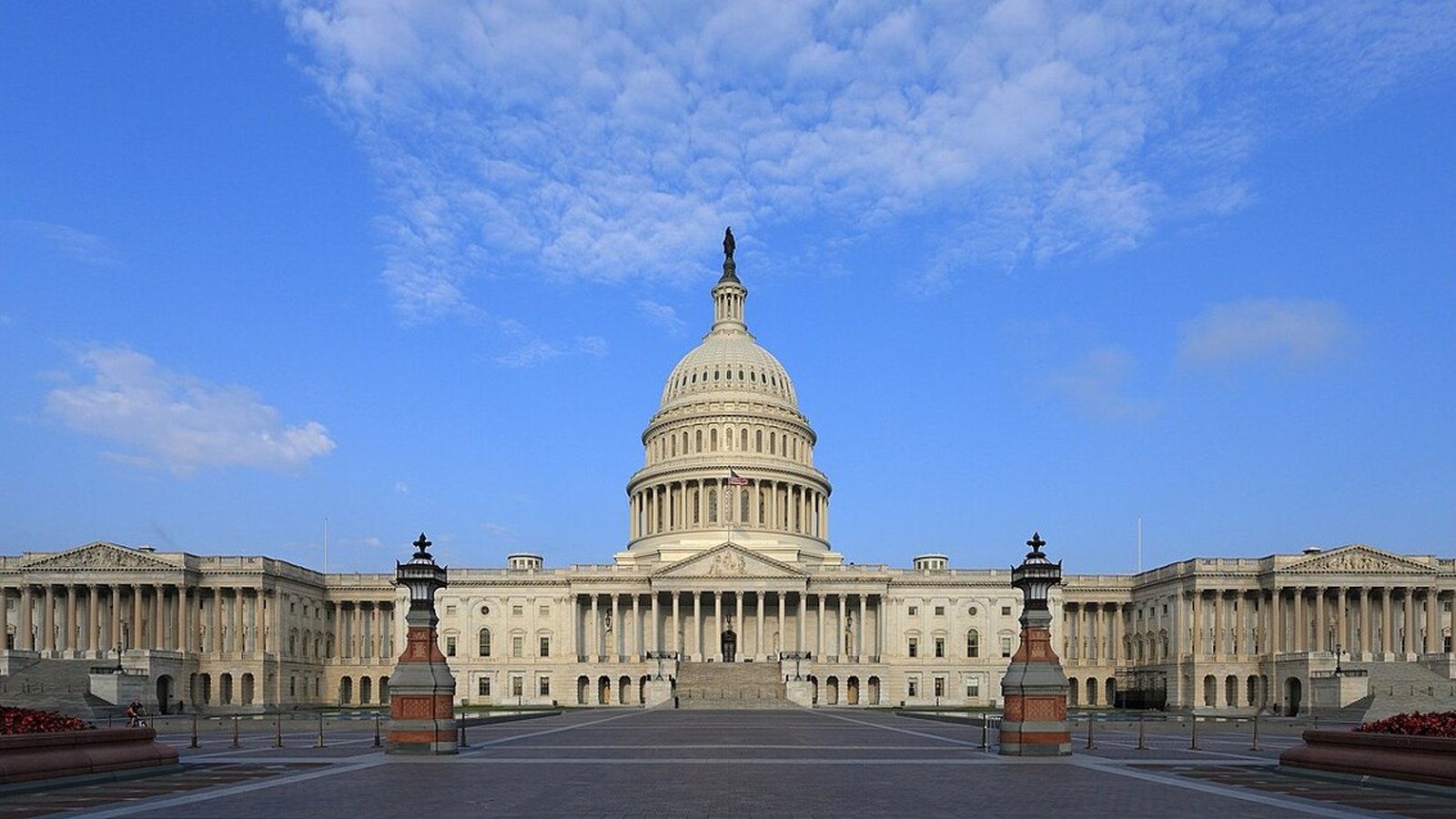
In the House, NBC News projects Democrats will win at least 258 seats, against 218 needed for a majority. That would be their best total since 1993, though the number could still move by a few seats. Hakeem Jeffries, who won reelection, is in line to become Speaker.
In the Senate, CNN projected at least 51 Democratic seats late Tuesday night. CBS says Democrats pulled off upset wins in Texas, South Carolina and Kansas. “Against all odds, we Democrats have won the Senate,” Chuck Schumer said.
Early exit polls put President Trump’s approval at 38%, per CBS. The new majorities take over in January, and that sets up a Wall Street showdown the industry has not faced in years.
Why this matters for your money
Think about the last two years. Wall Street firms and startups enjoyed Trump-era deregulation that eased post-financial-crisis rules, with little pushback from a Republican Congress. That quiet is over, and Wall Street oversight is about to get real.
The majority party controls committee gavels and subpoena power. So the questions on trading desks now are about crypto restrictions, corporate taxes, financial regulation and scrutiny of AI and data-center spending. If you own tech stocks in a 401(k), that last one is your business too. Our look at the AI stock selloff that pushed the Nasdaq to a one-month low shows how jumpy that trade already was.
Texas and Georgia, two states drawing major data-center projects, both saw Democratic gains. That’s a local wrinkle worth watching if you live in either.
The limit on the financial regulation fight
Here’s the thing: control of Congress is not control of Washington. Trump keeps his veto, so Democrats can investigate far more than they can enact. Expect hearings and subpoenas first, laws later, if ever. That caps how far the financial regulation fight can go in the short run.
The lame-duck session is the next stretch to watch. Raymond James flags a possible debt-limit increase before January, which could reduce Democratic leverage on healthcare, Medicaid and SNAP spending. We have not verified a deadline, and no committee chairs or specific bills have been confirmed. Several House races also remain uncalled, so the final seat count is still moving.
The question for the Street now: do the investigators arrive before the dip-buyers get comfortable?