
Picture a robot that weighs about 106 pounds, stands roughly five feet tall and runs on Nvidia’s Jetson Thor chip. Meta reportedly built it in about three months with a Shanghai-based startup, according to a report from The Information. It is already working on a second version. If that holds up, one of America’s biggest tech companies is putting its robot bet on Chinese manufacturing just as Washington is getting nervous about robot imports.
Reuters relayed the report on Saturday, citing people familiar with the effort. It also said it could not immediately verify the story.
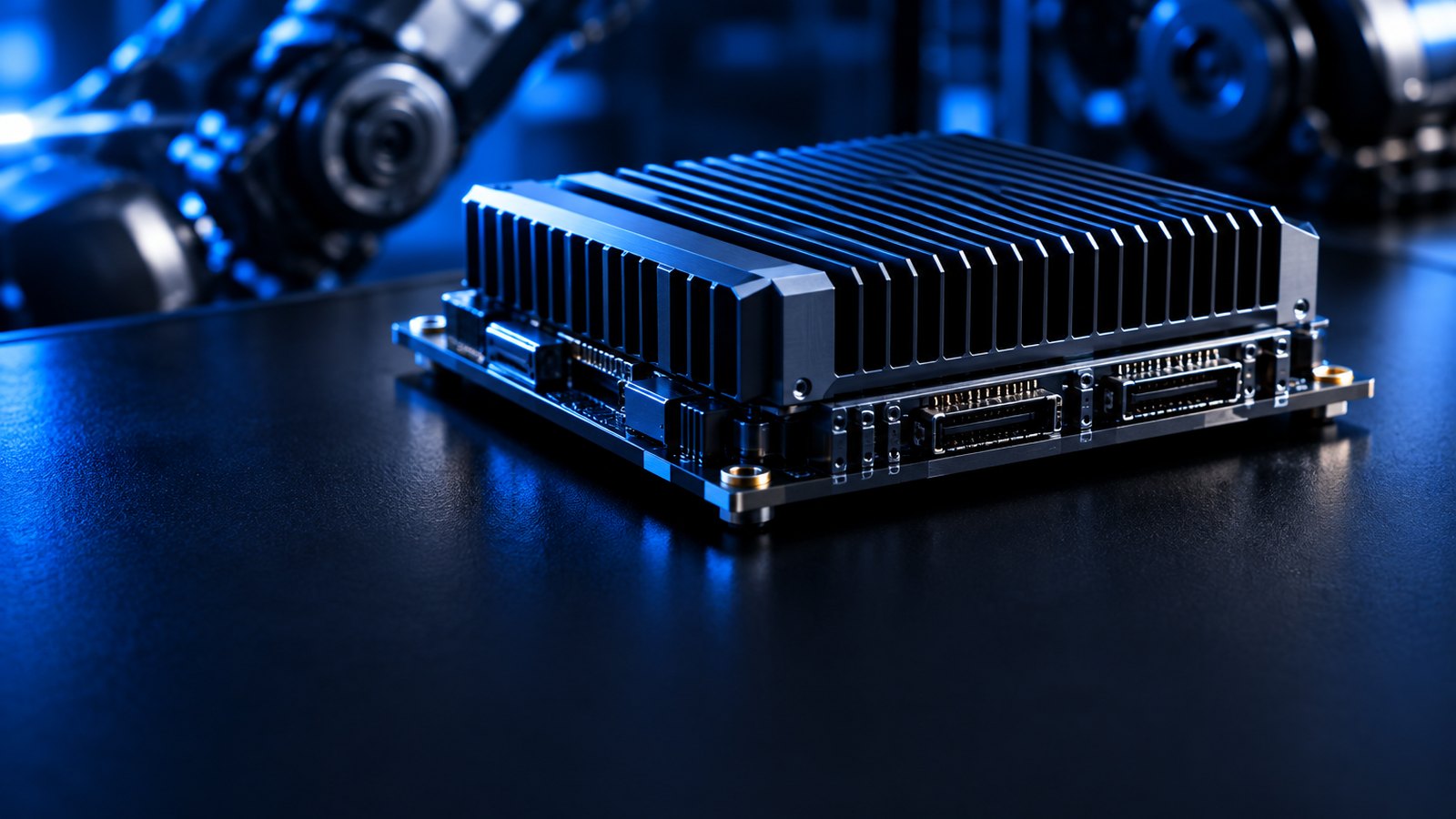
What The Information says the Meta humanoid robot is
According to The Next Web’s detailed summary, the prototype took about three months to put together. Inside Meta it goes by the name “Max.” The robot has five-fingered hands and a screen where a face would be.
The partner is Fourier, a Shanghai company that started in rehabilitation robotics and has since moved into humanoids. It unveiled its GR-3 “care-bot” in August 2025. The reports don’t say whether Max actually uses GR-3 hardware.
This was not a hands-off arrangement. The report says Li-Chen Miller, Meta’s VP of product for robotics, spent almost two months at Fourier’s Shanghai factory. Meta reportedly showed Max to some employees at an internal robotics summit in late August.
Meanwhile, the race is crowded. OpenAI has its own humanoid ambitions, and the hard part there is the brain.
Why Meta calls its Fourier robot just research
Meta told The Information the Fourier work is for internal research and experimentation. It also said it has no plans to sell the units. One source in the report said Meta has not set a launch date for any humanoid product.
So why build one at all? The report says Meta sees a humanoid as a physical body for Muse, its AI agent. Household chores are the long-term hope. Think folding laundry, not factory floors.
Meta also bought Assured Robot Intelligence, a San Diego software startup, in May. That team now sits inside Meta Superintelligence Labs.
Here’s the thing: the China problem for Meta’s humanoid robot
The timing is awkward. FourWeekMBA reports that the White House issued a proclamation on October 28 targeting robotics and industrial machinery imports as a national security concern. I could not locate the proclamation itself.
If both pieces are accurate, the optics are rough. An American company is quietly building robot hardware with a Chinese partner, just days after the government flagged robot imports as a security risk.
Meta’s reported answer is that this is a research project and nothing is for sale. Lawmakers may not find that comforting. China’s robot industry is also moving fast, as the latest robots from China show.
A second-generation version is reportedly in the works. Futu’s summary says that effort began in September and that Meta is hiring in Shanghai and Shenzhen. That detail comes from one outlet and isn’t corroborated.
What the Meta humanoid robot means for you
For now, you won’t see Max in a store. But the story matters anyway. If Washington tightens rules on robot imports, the companies racing to build home robots could face higher costs and slower timelines. That would hit the price and arrival date of any household robot, whoever makes it.
It also shows how tangled the robot supply chain is. Even the biggest American names appear to lean on Chinese factories to move fast. And the future of warehouse and factory jobs may depend on who wins that race, and where the machines get built.
Meta says it is only experimenting. Washington may decide that is exactly the problem.