
For millions of Americans, the dream of homeownership is becoming harder to hold onto.
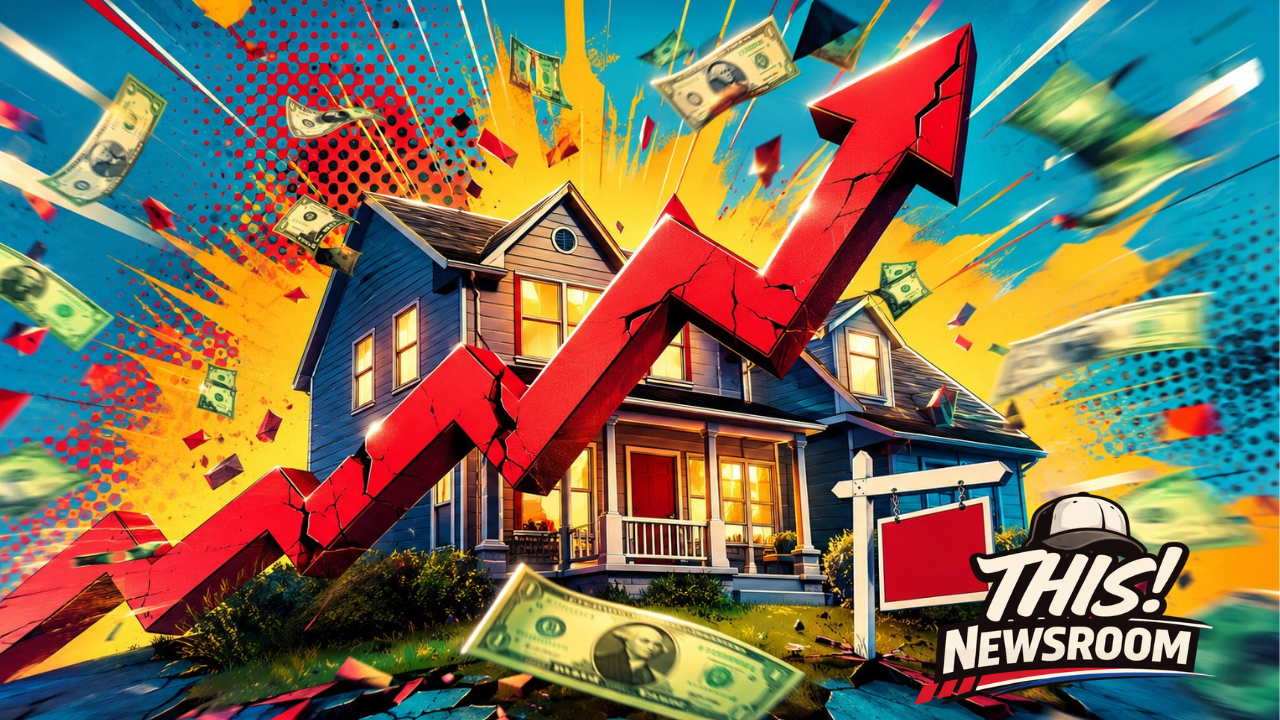
According to a recent report highlighted by Fox Business, foreclosure activity across the United States has climbed to its highest level in six years, signaling growing financial stress for households already battling inflation, insurance spikes, and rapidly rising property taxes.
The numbers are difficult to ignore.
Data cited by Fox Business shows that nearly 119,000 U.S. properties recorded foreclosure filings during the first quarter of 2026, representing a staggering 26% increase compared to the same period one year ago.
The Hidden Housing Crisis Nobody Wants to Talk About
For the last several years, headlines surrounding the housing market focused heavily on soaring home prices, bidding wars, and low inventory. However, beneath the surface, another story has quietly been building.
Homeowners are now facing a completely different kind of affordability crisis.
Even people with fixed-rate mortgages are getting squeezed by rising “non-mortgage” costs:
- Property taxes
- Homeowners insurance
- HOA fees
- Maintenance costs
- Utility increases
- Inflation on everyday expenses
In many parts of the country, insurance premiums alone have doubled or even tripled over the past few years due to climate risks, natural disasters, and insurance carriers pulling out of high-risk markets.
At the same time, local governments have reassessed property values upward after the massive home appreciation boom following the pandemic. That means many homeowners suddenly owe thousands more annually in taxes.
For families already living paycheck to paycheck, the math simply stops working.
Why This Feels Different Than 2008
Many experts say this foreclosure wave is not identical to the 2008 housing crash.
Back then, the market was driven by risky lending practices, subprime mortgages, and speculative buying. Today, many homeowners actually have equity in their homes and relatively low mortgage interest rates.
The problem now is cash flow pressure.
A homeowner may have locked in a 3% mortgage rate in 2021, but if their insurance bill jumps from $2,000 to $6,500 annually and their property taxes rise several hundred dollars per month, their total housing payment can become unsustainable.
That creates a dangerous situation where middle-class homeowners become “house rich but cash poor.”
States Feeling the Pressure Most
Housing analysts say several states are seeing especially sharp increases in foreclosure activity, particularly areas with:
- Rapid home price growth
- Skyrocketing insurance premiums
- High property tax burdens
- Population surges
- Climate-related risks
States like Florida, Texas, California, and parts of the Southeast continue to experience mounting affordability pressure.
Florida, in particular, has become ground zero for insurance turmoil, with some homeowners reporting annual premium increases of 50% to 200% over just a few years.
Meanwhile, Texas homeowners are increasingly feeling the impact of rising property tax assessments despite the state’s economic growth.
The Economy Is Sending Mixed Signals
What makes the situation even more confusing is that the broader economy still appears relatively strong on paper.
Unemployment remains historically low. Consumer spending has not completely collapsed. The stock market continues showing resilience.
Yet many Americans say their real-world financial experience tells a different story.
Credit card debt has surged to record levels. Delinquencies on auto loans and personal loans have increased. Buy-now-pay-later usage continues climbing. Now, foreclosure filings are beginning to reflect the pressure households are facing behind closed doors.
The result is an economy that looks stable from 30,000 feet but feels increasingly unstable at the kitchen table.
A Warning Sign for the Housing Market?
Some analysts believe rising foreclosures could eventually create more housing inventory, potentially cooling prices in overheated markets.
However, others warn that the situation could become more serious if inflation remains sticky and household expenses continue rising faster than wages.
Higher foreclosure rates can also create ripple effects:
- Neighborhood property value declines
- Increased rental demand
- Pressure on local economies
- Banking sector concerns
- Reduced consumer confidence
If foreclosure activity continues accelerating through 2026, the housing market could face a major reset.
Americans Are Being Forced to Reevaluate “Affordable”
The biggest lesson emerging from this trend may be that affordability is no longer just about the mortgage payment itself.
Many homeowners bought properties based on what they could technically qualify for during ultra-low interest rate years. Few anticipated how dramatically insurance, taxes, and living expenses would rise afterward.
Now, families across America are making difficult choices:
- Downsizing homes
- Leaving expensive states
- Taking second jobs
- Renting out rooms
- Delaying retirement
- Selling homes entirely before foreclosure occurs
For some, the American Dream is turning into a financial balancing act.
And for policymakers, lenders, and economists, the foreclosure spike may be an early warning sign that the housing market’s biggest challenges are still ahead.
Source reference: Foreclosure statistics and reporting information were cited from reporting by Fox Business.