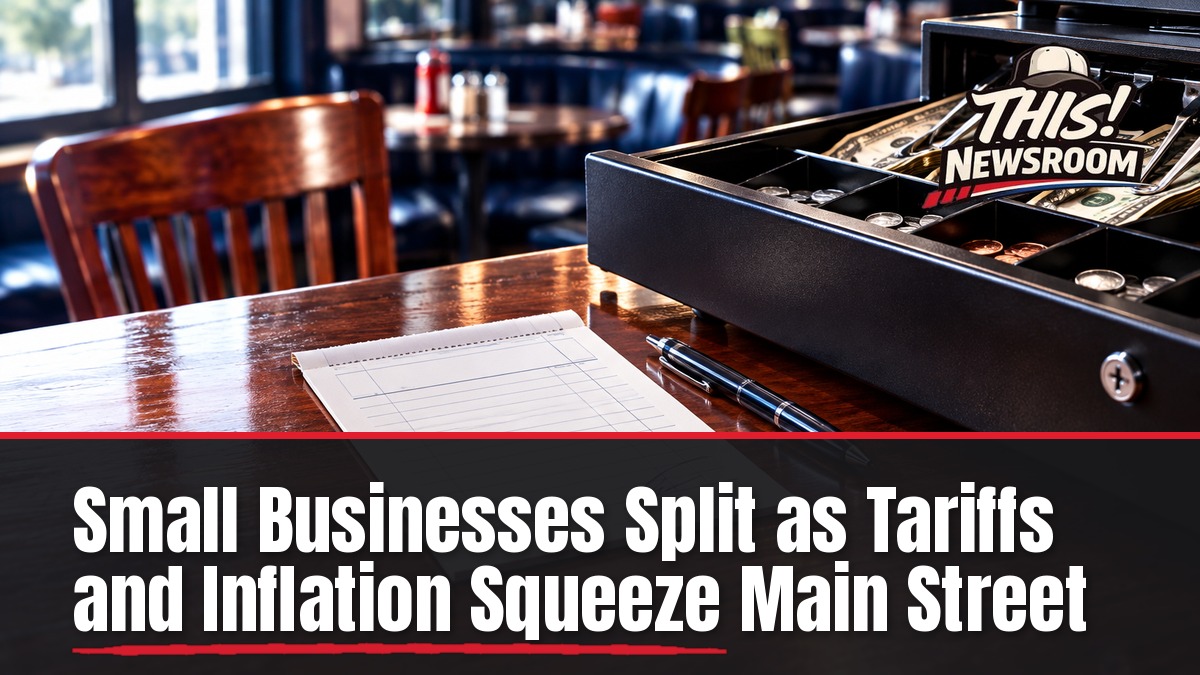
The NFIB Small Business Optimism Index slipped to 97.9 in September, and small business inflation is a big reason the mood keeps sliding. That is just under the 52-year average of 98.0, and it lands right before the midterms. A CBS News report says some small businesses are struggling with high inflation and tariff policy as Election Day nears, while others say they are expanding.
The economy is not one story on Main Street. It depends on what you sell, what you buy and who your suppliers are.
Restaurants say small business costs are hitting them hardest
According to CBS, restaurants report being hit especially hard. That fits how the business works. Food, packaging and equipment all cost more when prices climb, and diners push back when menus follow.
Margins at a restaurant are thin, so even small increases hurt. Picture a burger that cost $14 last year and now needs to sell for $15.50 just to cover beef, buns and the delivery fee. Customers notice that jump immediately. Some stop ordering the burger, and some stop coming in.
Other owners told CBS reporter Natalie Brand they are growing. Winners and losers sit on the same block.
What the hard numbers show about small business inflation
The broader data backs up the mixed picture. The NFIB index fell 0.8 points from August, according to NFIB. The group points to weaker expectations for business conditions and fewer owners saying it is a good time to expand.
Borrowing costs are also squeezing owners. The average rate on short-term loans reached 8.2% in September, up 0.7 points in a month. That means an owner who borrowed to cover a supplier price hike now pays noticeably more to carry that debt. Our look at why rate hikes may hit Main Street harder than big tech explains why that matters.
Prices are the other pressure. Consumer prices rose 3.7% from a year earlier in September, CNBC reported, citing Bureau of Labor Statistics data. Gasoline jumped 9.1% and accounted for half of the monthly increase.
Here’s the thing: small business tariffs aren’t behind every price hike
Tariffs make an easy villain, and plenty of owners name them first. One manufacturer in Missouri told NFIB it took a full year to rebuild profit margins after raising prices to offset tariffs and supplier pass-throughs. The tariff fight is also far from settled, since forced-labor tariffs now cover 60 countries and face tough questions in court.
Still, the picture is messier than that. A New York Fed analysis found many small firms listed tariff costs as a challenge in 2025. It also found that 80% or more of businesses across sectors cited general cost increases.
The Fed researchers cautioned that owners may be blaming broad inflation on tariffs. In other words, a gas-price spike can look a lot like a trade-policy problem on a profit-and-loss statement. (The spreadsheet does not label the villain.)
What it means for you
Main Street pain does not stay on Main Street. When a restaurant, a hardware store or a contractor absorbs higher costs, those costs usually reach you as higher menu prices, higher bills or fewer local options. Owners who cut hours or skip hiring also leave fewer jobs for the neighbors who vote.
That is why small businesses carry so much political weight. Candidates in both parties talk about them constantly, and voters tend to trust the corner restaurant owner over a Washington economist. A restaurant owner explaining a menu price hike makes a stronger campaign ad than any data table. Voters will weigh what they pay at the register against what they hear on the stump.
Election Day is Nov. 3. The next NFIB reading and the October inflation report will show whether the squeeze on Main Street is easing or getting tighter. Until then, the corner restaurant is the best economic indicator on the block.