Wall Street just wrote a $63 billion check, in structure at least, so Anthropic can rent a mountain of Broadcom AI hardware. This AI financing deal landed the same day Anthropic filed for its IPO. (Subtle, it is not.)
Bank of America, Blackstone, Citi and Morgan Stanley announced the financing structure on Monday, Oct. 26. Reuters calls it one of the largest debt deals tied to the AI buildout. This is what the AI race looks like when it grows up. Less sci-fi, more spreadsheet.
How the $63 billion AI financing deal works
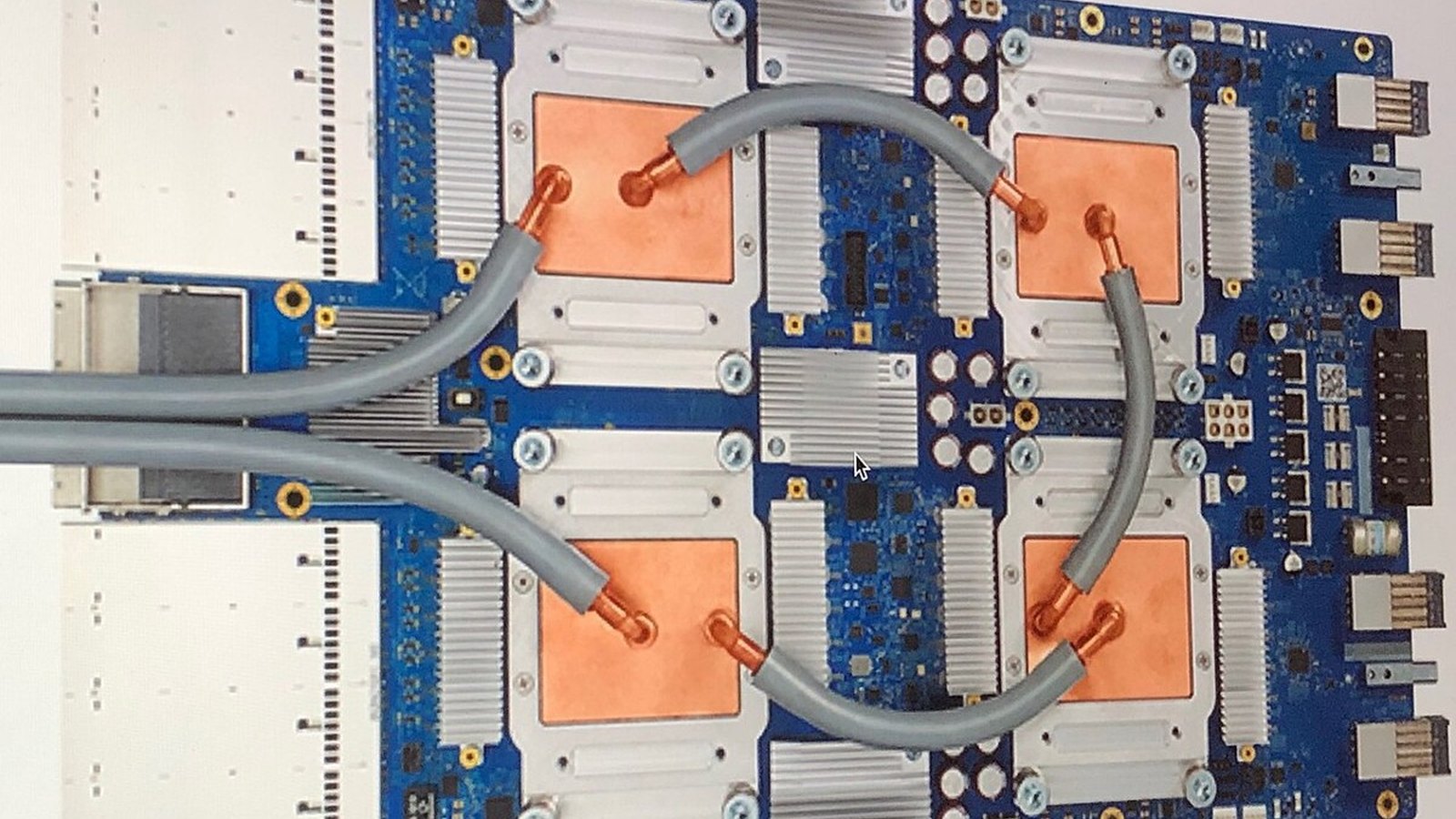
Here’s the setup. The four firms have committed financing to a newly formed special purpose vehicle. That vehicle will buy Broadcom’s AI accelerators and networking products. Then it leases all of it to Anthropic.
Think of it as a very large equipment lease, the kind where the equipment happens to be the hottest hardware in tech. Anthropic gets the chips without buying them outright. The lease payments, in turn, pay back the lenders.
The lenders are split by risk. Bank of America, Citi and Morgan Stanley are arranging the first-lien portion, according to StreetInsider. Blackstone is the sole provider of the committed second-lien financing, which sits behind the first in line for repayment.
Blackstone President and COO Jon Gray framed the opportunity this way: “The rapidly growing demand for AI is creating an enormous opportunity to finance compute capacity at scale.”
Broadcom backs the AI chip financing too
Here’s the detail the headlines skip. Broadcom is providing what’s called “residual value support” to the senior lenders, per Reuters. In plain English, Broadcom absorbs the hit if the chips lose value faster than expected. That cover runs up to the amount of the first-lien debt.
That works as a guarantee. Nobody outside the deal knows the size of the first-lien debt, so nobody can say how big that promise really is. And AI chips age fast, which is why lenders wanted it.
The timing is no accident
The announcement came the same day Anthropic filed for a potentially record-breaking IPO. That filing’s disclosures of steep losses and security concerns could test investor appetite, Reuters notes.
Anthropic’s prospectus also shows Broadcom agreed to lend it up to $42 billion. That is about a third of the $125.2 billion it committed under a five-year lease for TPU computing capacity, according to CNBC as relayed by Quartz.
This isn’t Anthropic’s first big backer, either. Apollo and Blackstone had earlier agreed to finance a $35 billion expansion. That expansion covered its computing capacity under a prior Broadcom agreement. This new AI compute financing is part of the strategic compute capacity arrangement Broadcom announced earlier.
Big-ticket financing is spreading well beyond tech. Housing is feeling the squeeze, too, as homebuilders cut prices as confidence hits a 14-year low.
What the AI financing deal means for everyday investors
Why should you care about a lease between a bank syndicate and an AI company? Because this money has to come from somewhere. A lot of it flows through institutions your retirement account may already own.
Here’s the thing: when Wall Street piles this deep into one theme, the payoff is big if AI demand holds. It also leaves less cushion if it doesn’t.
Bloomberg earlier framed the financing as a gauge of investor appetite for AI infrastructure. It arrives at a time of public pushback against data-center construction. Add in the Anthropic IPO, and the next few weeks will show how hungry the market really is. For more on the money behind the AI race, see our look at Musk’s AI spending and what he might say on earnings calls.
What happens next for the $63 billion AI deal
Broadcom is expected to begin delivering the chips and networking gear in calendar 2027. We don’t yet have a pricing date for the Anthropic IPO. The lease terms, interest rates and first-lien size remain undisclosed.
Bloomberg previously reported that the lenders would syndicate the debt to outside investors. That isn’t confirmed for the final $63 billion structure.
So the question hanging over all of it is simple: if the chips are the collateral, who’s holding the bag when the next generation arrives?