
Your clocks fall back at 2 a.m. Sunday, Nov. 1, despite Texas passing a law to end clock changes. Texas daylight saving time is on the books for year-round use, but it comes with a permission slip nobody has signed.
Gov. Greg Abbott signed HB 1393 on June 20, 2025, setting up year-round daylight time, a plan some are calling “Texas Time.” But it’s a trigger law. It does nothing until Congress lets states stay on daylight time all year, according to The Dallas Express. So far, Congress hasn’t. Our earlier coverage explains how Texas moved closer to permanent daylight saving time before the bill hit the Senate.
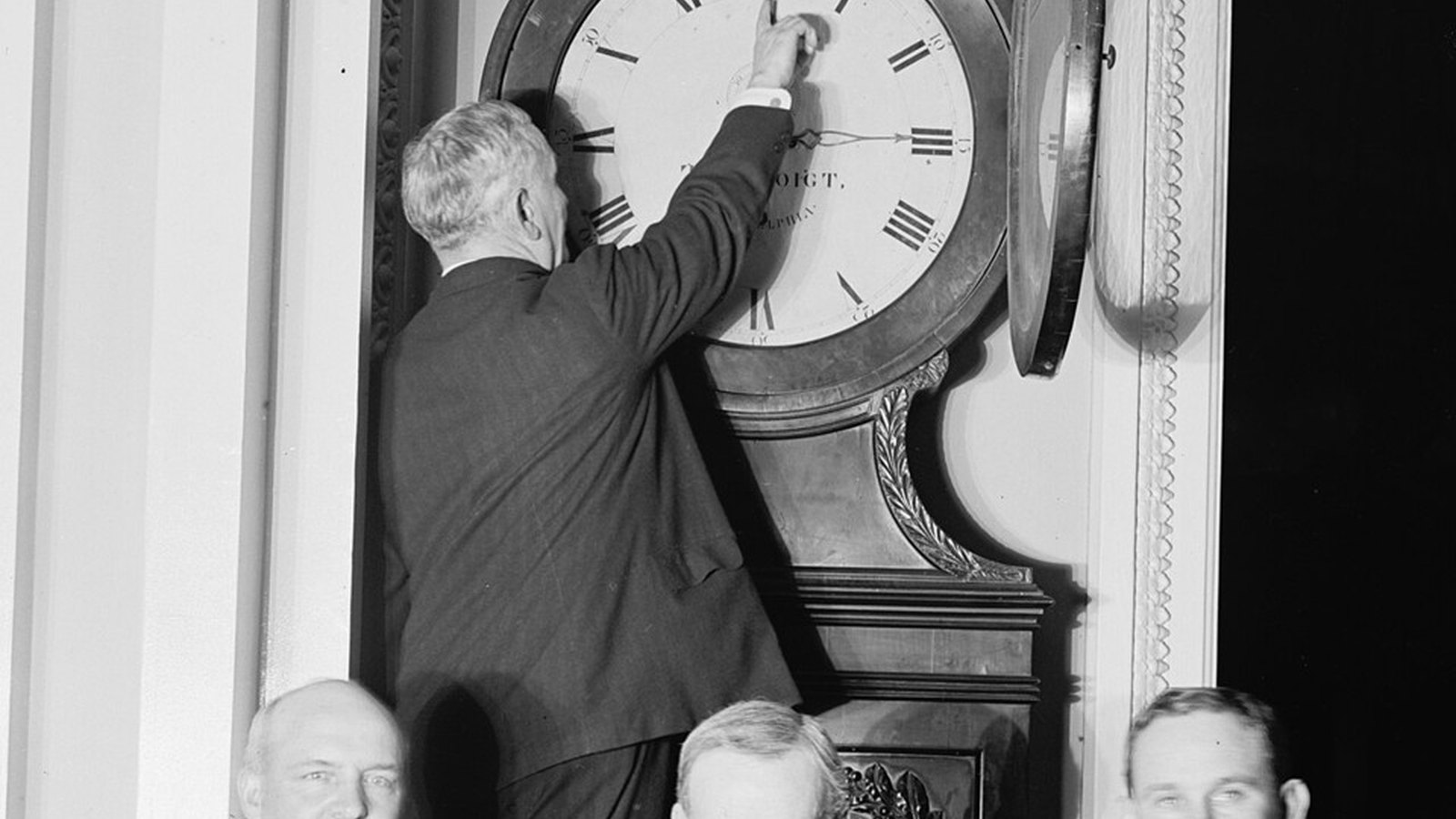
Why the Texas clock change can’t happen yet
Under the federal Uniform Time Act, a state can choose permanent standard time. However, it can’t choose permanent daylight time. So Texas wrote a law for a future that Washington hasn’t approved.
Texas isn’t alone. In fact, the Congressional Research Service counts 19 states with permanent daylight time laws, all waiting on a green light from Congress.
What your weekend looks like
Here’s the thing: the schedule is simple, and it comes with a bonus. Daylight time in Texas ends at 2 a.m. Sunday, Nov. 1, when clocks go back to 1 a.m., MySA reports. Halloween falls on Saturday, Oct. 31, so trick-or-treaters and late-night partiers get an extra hour.
Your phone will switch on its own. The oven, the microwave and that one wall clock nobody can reach will not.
Is Congress close to approving Texas year-round daylight time?
Not close enough. The House passed H.R. 139, the Sunshine Protection Act of 2025, on July 14, 2026, by a vote of 308 to 117. The Senate received it the next day and sent it to the Commerce, Science, and Transportation Committee. That’s where it sits.
The Sleep Foundation says the bill has stalled in committee and notes no sign of a Senate vote before this clock change. Past pushes for permanent daylight time have fizzled at this exact stage, even with presidential support, as our look at Trump’s push to end clock changes shows. We also covered the House vote on permanent daylight saving time ahead of that July tally.
Texas members of Congress split on the House bill. Reps. Doggett, Escobar, Garcia, Veasey, Roy and Self voted no, according to The Texan. Sen. Ted Cruz, meanwhile, has called the twice-yearly switch an “outdated and harmful practice.”
What happens to Texas year-round daylight time if the bill passes
The Senate would have to pass the bill, and the President would have to sign it. Only then would HB 1393 wake up. Most of Texas would stay on Central Time, while El Paso and Hudspeth counties would stay on Mountain Time.
You may have seen posts saying Texas “voted” to end clock changes. In reality, the Legislature passed a trigger law. There was no statewide vote, and nothing changes this weekend.
So set the clocks back, enjoy the extra hour of sleep, and keep an eye on the Senate. Texas already has its plan. The question is how long it sits in the committee inbox.