Ten votes for patience, two for a hike. The Federal Reserve held rates steady on Wednesday in a 10-2 vote, leaving its key rate at 3.75% to 4%. It is the last Fed decision before the Nov. 3 midterms.
The Fed rate decision also came with a loud sign of tension inside the building: two officials wanted to raise rates instead. If you want the pre-meeting setup, our earlier look at what a hold means for your loans and cards covers it.
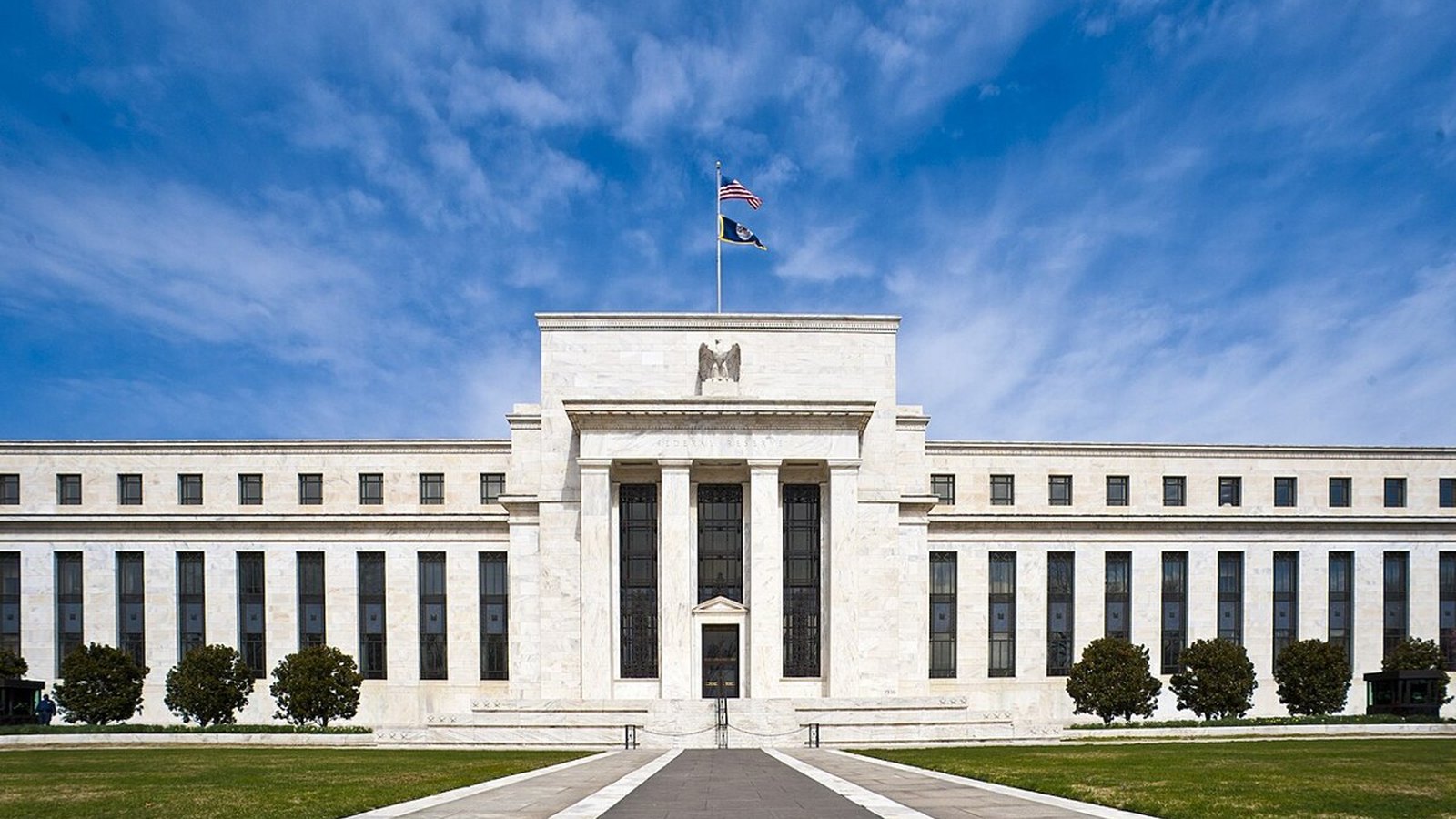
The Fed Rate Decision: What Actually Happened
Governor Lisa Cook and Cleveland Fed President Beth Hammack voted against the majority. According to the Fed’s statement, both preferred a quarter-point increase. That matters because Cook had never dissented before, CNBC reports. Hammack also dissented in July, when she likewise favored a hike.
The wording shifted, too. The decision language moved from September’s “raise” to “maintain.” That September move was a quarter-point hike, the first increase in more than three years. So this is a pause, not a pivot.
The statement itself was blunt. “Inflation remains elevated,” the Fed wrote. It also said the committee “will deliver price stability.” Meanwhile, economic activity, the Fed says, is “expanding at a strong pace.” Quartz notes that September’s statement called growth “solid.” (One adjective upgrade, and central-bank watchers noticed.)
Why the FOMC Vote Split: Prices Are Still Climbing
Why would anyone want a hike now? Look at the grocery and gas receipts. Inflation rose from 3.4% in August to 3.7% in September, driven largely by gas, diesel and crude oil costs, NBC News reports. CNN ties the stubborn numbers to the war with Iran pushing up energy prices, with those costs spreading into other goods and services. And CNBC notes inflation has sat above the Fed’s 2% target for more than five years.
Here’s the thing: for households, a steady Fed means no new relief and no new shock. Borrowing costs tied to the Fed’s rate, like credit cards and many auto loans, stay roughly where they are.
Because this interest rate hold changes little overnight, I could not verify specific consumer-rate figures today, so check your own statements and lender quotes before assuming anything. Wall Street has its own worries, too, as we explained in why the real market nerves are about December and Big Tech.
Politics, Carefully
It is fair to ask whether the election played a role in the Fed decision. The Fed has not said it did, and nothing in its statement suggests it.
Quartz, citing CNN, points to the view of former Minneapolis Fed president Narayana Kocherlakota that not hiking suggests political influence. He also said a one-meeting delay is not an “enormous blow” to the Fed’s independence. That is one economist’s opinion, not a finding.
One detail complicates the political story: the Fed raised rates in September, even though President Trump has repeatedly called for lower rates. Meanwhile, Cook sits at the center of a separate fight. The administration is pursuing her removal over allegations about her home loan applications. The Supreme Court stopped the earlier attempt, and the effort has restarted. Even so, she voted for a hike on the same day.
What Happens Next After the Federal Reserve Rate Hold
Chair Kevin Warsh holds his news conference at 2:30 p.m. ET, and his remarks will shape expectations. I have not seen his comments yet, so none are attributed to him here. Some market commentary says a December hike looks more likely. However, I could not confirm that from an official projection, so treat the odds with caution.
Here is the calendar:
- Nov. 3: Midterm elections, with control of Congress at stake.
- Early November: A hearing in the renewed effort to remove Cook. The exact date was not confirmed.
- Around Nov. 18: Minutes of this meeting, which should show how close the debate was.
- Dec. 8-9: The next Fed meeting.
The next inflation report will be the real tell. If prices keep climbing, are those two dissents outliers, or a preview?