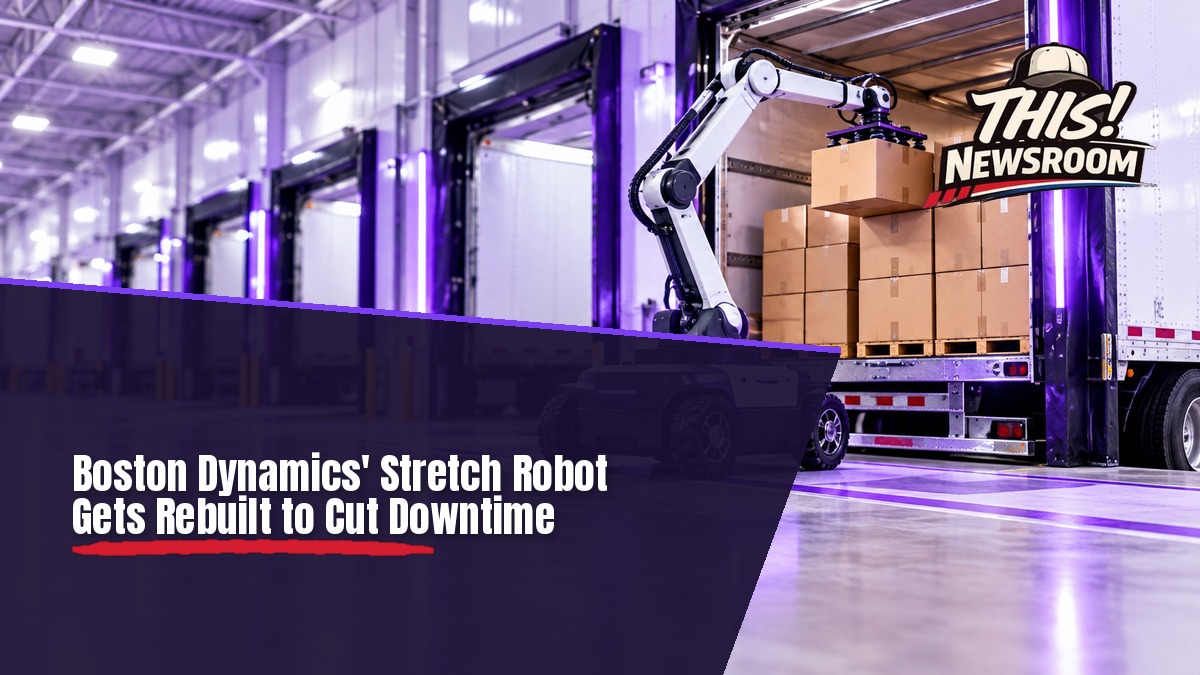
The most exciting thing about this new warehouse robot is how easy it is to fix. On Nov. 3, Boston Dynamics unveiled Boston Dynamics Stretch Gen 2, the second generation of its autonomous trailer-unloading robot, according to the company’s press release.
Yes, a robot company is bragging about maintenance. In a warehouse, though, that is the whole ballgame.
Why Boston Dynamics Stretch Gen 2 is all about uptime
Stretch backs into a trailer or shipping container. It then unloads floor-stacked boxes without a human lifting a single one. That is brutal, repetitive work, and warehouses struggle to keep it staffed.
Boston Dynamics says it built Gen 2 from lessons learned in first-generation deployments. The company says the upgrade adds major hardware and structural changes. Those changes are meant to maximize uptime and streamline maintenance in high-volume logistics.
Brian Donnelly, the company’s vice president and general manager of logistics robotics, put the problem plainly. “Our customers count on Stretch to keep freight moving, and every hour a robot sits idle is an hour of work that piles up on the dock,” he said.
What changed on the second-generation Stretch
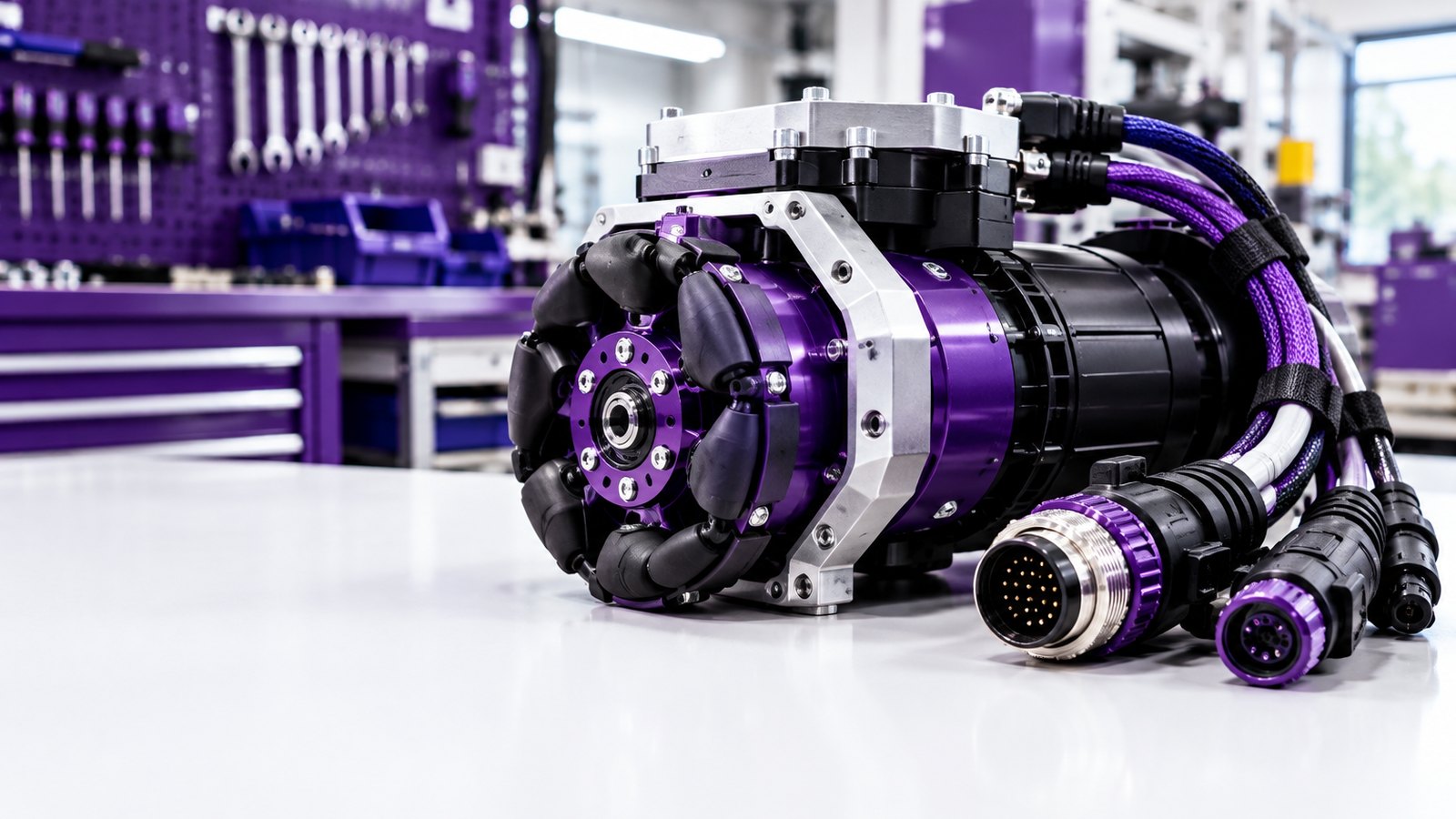
The company says Gen 2 uses "plug and play" part swaps, so technicians can replace components instead of rebuilding them. It also uses heavy-duty, automotive-grade connectors. Those connectors are designed to survive the vibration of rapid, high-torque box handling and driving over uneven floors. A redesigned onboard computing platform supports continuous improvement.
The numbers from secondary reports are the interesting part. Interesting Engineering reports that internal cabling is cut by 81%. It also says a complete swerve drive swap now takes about an hour, compared with a full day before.
Fewer wires means fewer things to fail. And a one-hour repair beats a lost shift every time.
The same report says Boston Dynamics also plans regular software releases. Those updates should improve how deployed robots detect cases, plan motion and pick boxes. If robots like this keep improving, they could follow the broader robotics boom reshaping industry.
Why the Stretch Gen 2 robot matters to anyone who orders stuff
Here’s the thing: every package you buy online passes through a dock somewhere. When a robot on that dock goes down, freight piles up. That eventually shows up as delays and higher costs. A machine that stays running longer is a quiet win for the supply chain, even if nobody outside the warehouse ever sees it.
Some secondary outlets, citing the company, say the redesign draws on more than 100,000 operating hours and tens of millions of boxes handled. Superpower Daily adds that Boston Dynamics claims Gen 2 can unload up to 1,000 cases per hour. I could not confirm those figures against the full release, so treat them as the company’s numbers for now.
The Boston Dynamics unloading robot’s claims, with a grain of salt
Boston Dynamics calls itself a first mover in robotic unloading. It says Stretch is the market leader, with more deployments than any competing logistics product. That is the company talking about itself. AlphaSignal notes the announcement gives no total deployment count, and no independent data backs the leadership claim.
Stretch is not new. Boston Dynamics first revealed it in March 2021 and opened it for commercial purchase in March 2022. NFI signed a $10 million deal in 2022. DHL Group signed an MOU in May 2025 for more than 1,000 additional units.
For comparison, the company’s other robot also grabbed headlines when Atlas performed a handstand.
What to watch next for Boston Dynamics Stretch Gen 2
The announcement did not include pricing, a ship date or a customer rollout schedule. It also does not say whether existing customers can upgrade their current robots to Gen 2. Those answers decide whether this is a real shift or a nicely produced launch video.
Warehouse automation is also moving beyond unloading. One example is AGCO’s humanoid pilot, which sorts parts.
A handstand gets the views. A connector that survives the vibration gets the contract. Boston Dynamics is betting on the connector.