An email is all it takes to put a fighter jet in the sky. Europe bomb hoax flights hit a second wave on Thursday, with threats against passenger planes across the continent. The result was diversions, emergency landings and fighter-jet escorts. No explosives have been found.
Here’s the count, and it’s not a clean one. CBS News reports the number of affected journeys soared to at least 27, up from about seven earlier in the week. Other outlets, including Euronews, put it lower, at 14 or more. The numbers likely climbed through the day, so treat any single total as a snapshot.
What happened to the flights
French authorities diverted an Aer Lingus Airbus A320 flying from Dublin to Rome. It landed at a military air base in western France, according to the French prime minister’s office. Meanwhile, three Ryanair flights bound for Sofia made emergency landings in Bulgaria. They had left Madrid, Copenhagen and London Stansted, and the Bulgarian air force escorted them down.
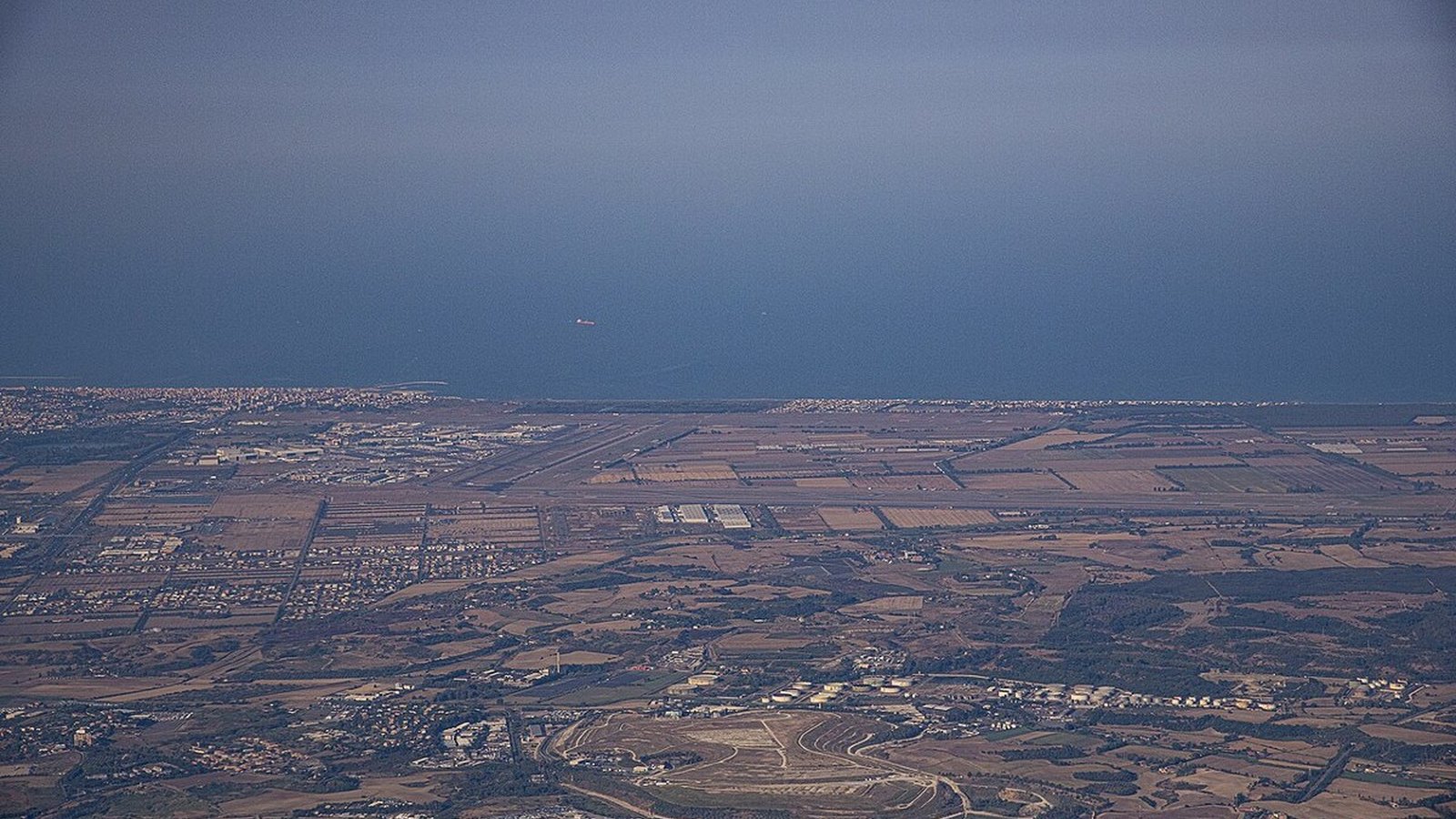
Czech police said four planes heading to Prague received threats, but rated their credibility as low. Spain’s Guardia Civil reported three emailed threats in under 20 minutes. They covered two Air Europa departures and four inbound Iberia flights. Rome’s Fiumicino airport halted flights for 30 minutes. Heathrow and Birmingham also received threats, which the UK’s transport secretary called “malicious hoax threats.”
Finnair and Aegean Airlines each confirmed that threats targeted their flights too. These airline bomb hoaxes leaned heavily on low-cost carriers and routes touching Bulgaria, the Czech Republic and Italy. For a closer look at the earlier wave, see our report on eight flights threatened in a single day.
A second wave of bomb scares on flights
This isn’t new. On Tuesday, at least seven flights and a cruise ship received threats, per AP. Italy scrambled two Eurofighters to escort a Rome-bound plane. Earlier still, crews rerouted an Austrian Airlines flight from Tel Aviv to Bulgaria. Hungarian Gripen jets also escorted a Bulgaria-bound plane to Budapest.
Each time, nothing dangerous turned up.
Here’s the thing: who’s behind these European flight bomb threats?
Nobody knows. The EU says it’s “too early” to say whether the threats are linked. Moscow and Tehran deny running any such campaign, according to Reuters. One expert told CBS the scale suggests “a very deliberate act.” The incidents also come amid a rise in hybrid attacks that authorities have sometimes tied to Russia or Iran. That’s a suspicion, not a finding.
Why would anyone bother? Because a hoax is cheap. One email can ground a plane and scramble fighter jets. It can also snarl an airport for an hour, and it costs the sender nothing. That’s the whole point of a low-cost disruption.
What hoax threats on airlines mean if you’re flying to Europe
So far, the damage is concentrated on flights within Europe. We found no confirmed impact on US carriers or flights from the United States. Still, if you’re connecting through Rome, Madrid, Vienna, Prague, Warsaw or Sofia, build in slack. The same goes for booking budget carriers like Ryanair or Wizz Air.
Delays of an hour or more and surprise diversions are real risks this week. Check your airline’s app before heading to the airport, and compare fares with our look at holiday flight price swings if you need to rebook.
What happens next with Europe bomb hoax flights
The EU and national authorities say they’re watching closely. Officials have announced no attribution, arrests or coordinated Europol response. Watch for those, and for whether airports tighten screening or change how they handle emailed threats.
Europe bomb hoax flights may not stop soon. If a third wave lands next week, the question stops being whether this is coordinated. Instead, it becomes who is paying for it.