One post from the vice president, and crude lost about 9% before lunch. Oil prices Vance triggered a sell-off on Wednesday, with crude falling about 9% after the vice president blamed the Iran war for the midterm losses.
Traders now bet that Washington may be pushed toward a deal with Tehran.
Brent futures, the international benchmark, fell 8.7% to settle at $94.62, according to CNBC. U.S. crude was near $88 in intraday quotes, down roughly $8. Oil futures are down more than 14% this week, per Quartz.
That is one heck of a post.
What the Vance Iran post actually said
According to NBC News, Vance wrote that “the reason we lost is the war. The president himself said so last night.” He added that any honest conversation about where the party goes from here “must start there.”
He also cited a pollster’s list of the top reasons voters gave for leaving the GOP. Those reasons were ending the war, cost of living and inflation, putting America first, and changing the U.S. relationship with Israel. Trump told the Wall Street Journal on Tuesday that the war was a factor in Republican losses.
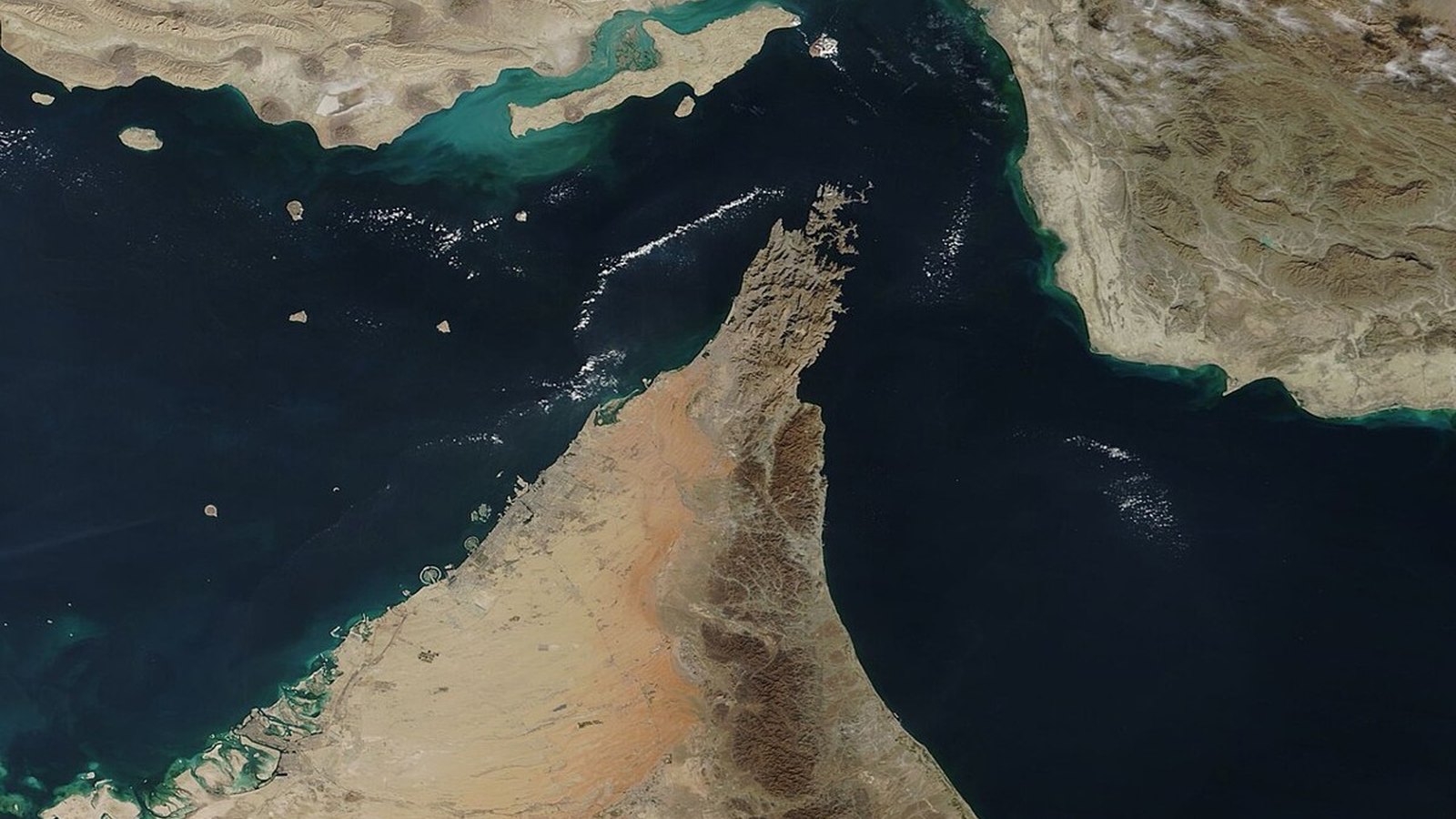
The U.S. and Israel launched the war in late February. An April ceasefire failed to produce a peace deal. The conflict then settled into a stalemate, with Iran threatening shipping in the Strait of Hormuz.
Here’s the thing: why the oil market reaction was so sharp
Markets do not trade on feelings. They trade on odds, and the odds of a deal just moved. CNBC reports Democrats swept both chambers on Tuesday. That gives them leverage to press Trump to end a war that has pushed up gasoline and diesel prices.
“The elections are leading the market to conclude that Trump might now be inclined to make a deal,” Andy Lipow of Lipow Oil Associates told CNBC, as Quartz quoted him. Pavel Molchanov of Raymond James called Vance’s post a “key catalyst” in comments to Axios.
He also added a warning. “For oil prices to sustainably move lower, a durable off-ramp is needed.” It is still unclear whether the post signals a more dovish stance toward Iran.
The post is also not the only driver. Oil fell more than 7% on Monday after Washington and Tehran signaled openness to talks.
Reuters reported that Vance has leaned harder into talks with Tehran in recent weeks. A White House adviser said some officials read the post as a break with the president’s line. We found no on-record White House response.
Wall Street had already cheered the diplomatic thaw. For the stock-market side of that story, see how Wall Street reacted to the Iran deal.
What the crude oil price drop means for your wallet
Do not expect the gas station to react today. Crude is still far above its pre-war level. Retail prices usually lag crude by days or weeks. Earlier in the conflict, the national gas average hit its highest in more than two years. We could not confirm a current national average, so we won’t claim pump prices have fallen yet.
Trump has said fuel prices would “drop like a rock” once the war ends. That is the bet the market is now making, slowly and nervously.
Energy costs also feed into the broader economy. Our look at why 3.4% growth isn’t felt by voters shows how much pricing pressure matters right now.
What happens next for Brent crude
The big question is whether Trump restarts major combat operations. Reuters reports U.S. officials say that option is still under consideration. Trump said Tuesday he is not planning an imminent attack. Traders had been bracing for escalation, and crude rose more than 10% in October on that fear.
On the diplomatic side, Tehran has pushed an accelerated ceasefire plan that includes reopening Hormuz. But Iran’s Foreign Ministry said it will not accept diplomacy “based on coercion.” It wants unfrozen assets, lifted oil sanctions and an end to the U.S. naval blockade.
Meanwhile, the supply side is shifting too. The UAE’s decision to leave OPEC after 59 years adds another wild card to the outlook for Brent crude.
One tweet moved the oil market nine percent. The harder part is getting two governments to agree on anything.