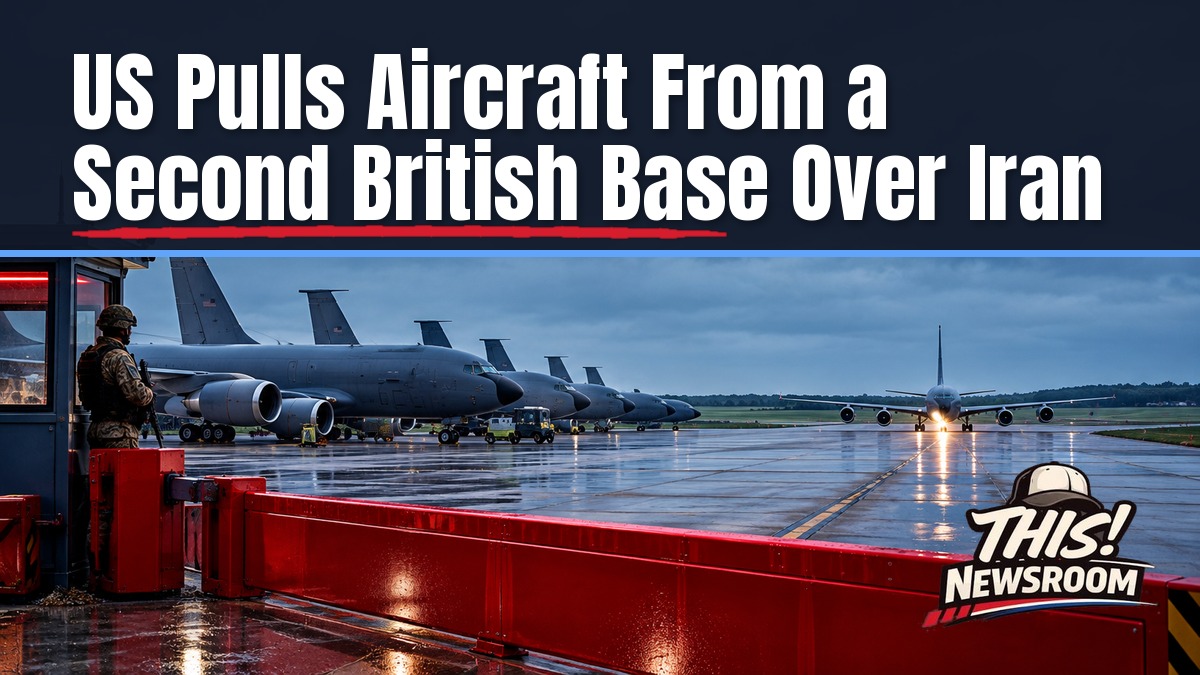
When refueling planes quietly leave a base, the real story is usually why. In this US aircraft second British base departure, the US military moved its tankers, citing a reported Iranian threat, and nobody in an official seat will say what the threat actually is.
Flight-tracking data shows the aircraft left RAF Mildenhall in Suffolk, England, on Monday, according to the Wall Street Journal’s original report, carried by Reuters. It is the second UK base American aircraft have left in about five weeks.
What we know about the RAF Mildenhall move
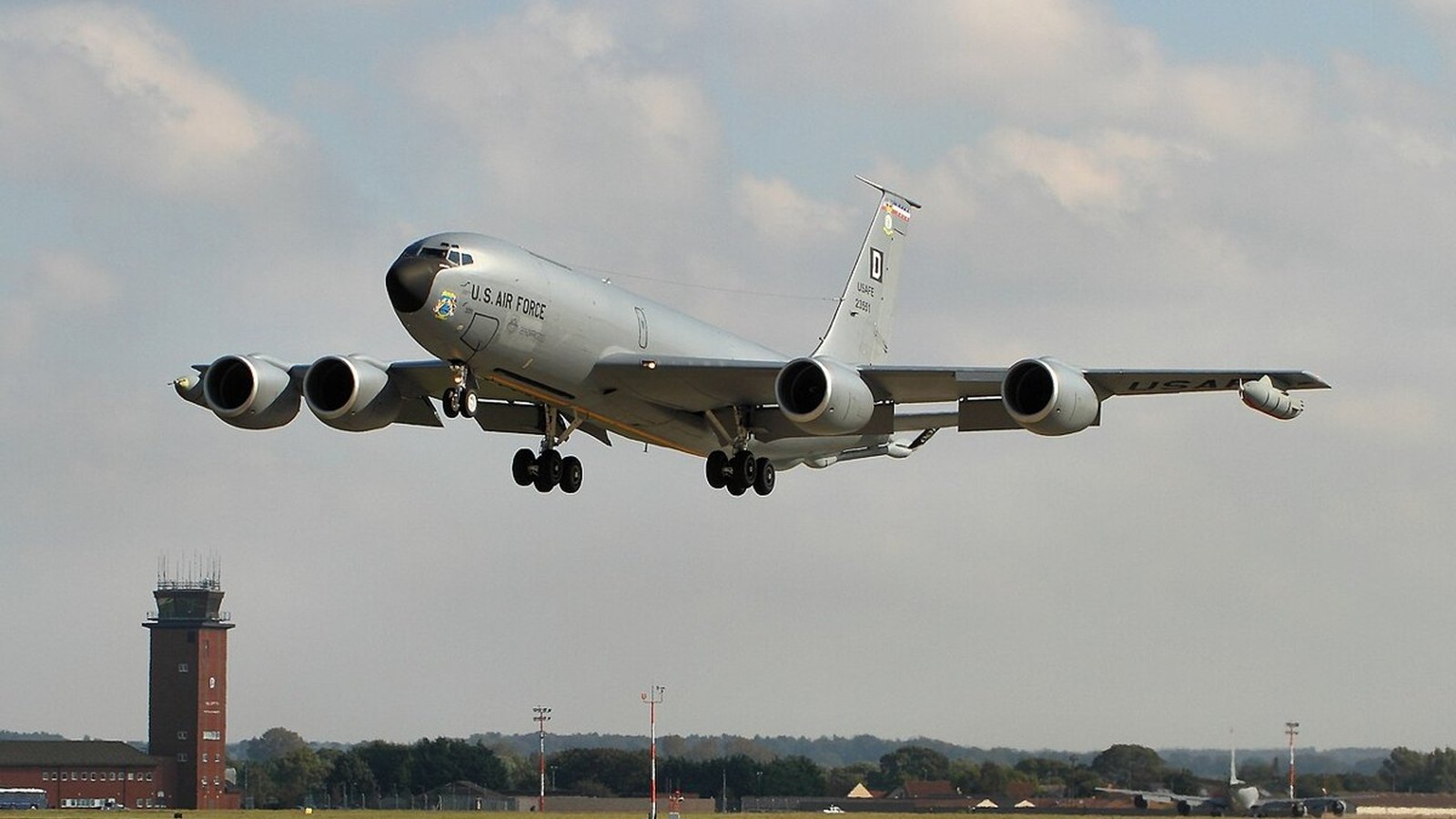
The Journal reported that two US refueling tankers diverted to Germany Monday morning. Several more tankers left the base for Germany and other locations later that day.
The exact count depends on who is counting. CNN’s analysis of flight data found 10 refueling aircraft leaving. NBC News counted at least eight tankers, plus three Ospreys that went to nearby RAF Lakenheath.
A US official confirmed to NBC that the aircraft left and that they are operating under “enhanced force protection measures.” The official would not speculate on the threat. Another told ABC News, “We take proactive measures to ensure our aircraft, our people, and our installations remain safe and secure.”
A US official told the Journal that the military raised both Mildenhall and Lakenheath to Force Protection Condition Charlie. That is the second-highest level in the Pentagon’s system. Under it, officials consider some form of terrorist action likely.
Why the US aircraft second British base exit points to Iran
Mildenhall is not a sleepy outpost. It hosts KC-135 tankers and the 352nd Special Operations Wing, and those tankers heavily refueled American bombers during the war with Iran. Tankers are what let long-range aircraft stay in the fight. Move them, and you change what the US can do from Europe.
We have seen this movie before, and the first version was messy. B-1 bombers left RAF Fairford on Oct. 4, shortly after police arrested five men outside the base on Sept. 27. US officials told NBC that a possible Iranian drone attack was a factor. UK police later charged two of seven people arrested with national security offenses, and one is a British-Iranian national.
The messaging then was inconsistent. Secretary of State Marco Rubio first described the bomber move as regular rotations. President Trump later said it was due to a security threat.
This time, the official line is again calm. The UK Ministry of Defence said, “We do not routinely comment on the activity of other nations. Aircraft and other assets move regularly according to operational requirements.” A US Air Force spokesperson also declined to give details.
What is not confirmed about this second UK base move
Be careful here. Neither the Pentagon nor the British government has officially tied the move to Iran. That link comes from anonymous US officials quoted by the Journal, Bloomberg, NBC and ABC.
The nature of the threat is also unknown. The Journal says it “remains under discussion” among US officials. One outlet reports a plan to hit the base with kamikaze drones, but that comes from unnamed sources and no other outlet has confirmed it. We are not treating it as fact.
Nobody has said whether the aircraft are gone for good or just for now, and no one has reported a return date. Iran’s ambassador to the UK denied involvement in the Fairford plot, and we found no Iranian response yet to the Mildenhall report.
Why an Iran threat base in Suffolk matters far beyond Britain
Iran’s Revolutionary Guards said in July that Fairford, and any other base used to launch attacks on Iran, were legitimate targets. The US and Israel began their war on Iran on Feb. 28, and Britain later allowed American forces to use its bases for defensive missions.
Here’s the thing: a conflict that started far away is now showing up on allied soil in Europe. That matters to anyone who lives near these bases, pays for them or relies on them, and it raises the question of how much the public is being told.
For another example of how fast Washington’s security picture is shifting, see our look at the push to impeach Defense Secretary Hegseth.
The timing is awkward, too. Trump said Monday the US was seeing “positive momentum toward an end” to the conflict, according to Yahoo News. That is a partial quote worth rechecking. NBC notes Iran has vowed retaliation for any renewal of the war and has threatened to widen its response beyond the Middle East.
What happens next as US tankers leave Britain
Watch for three things. First, will Washington or London say anything on the record about the threat? Second, will the tankers come back, and will Charlie-level security stay in place at Mildenhall and Lakenheath? Third, how will Tehran respond?
Security scares are also tangled up with questions about threats nearer home, as in the armed-man arrest near the White House, where official claims and court documents did not match.
So what is the threat? Right now, the people who know are not saying.