Six unapproved peptides are now legal to compound. Nobody at the FDA signed off on them.
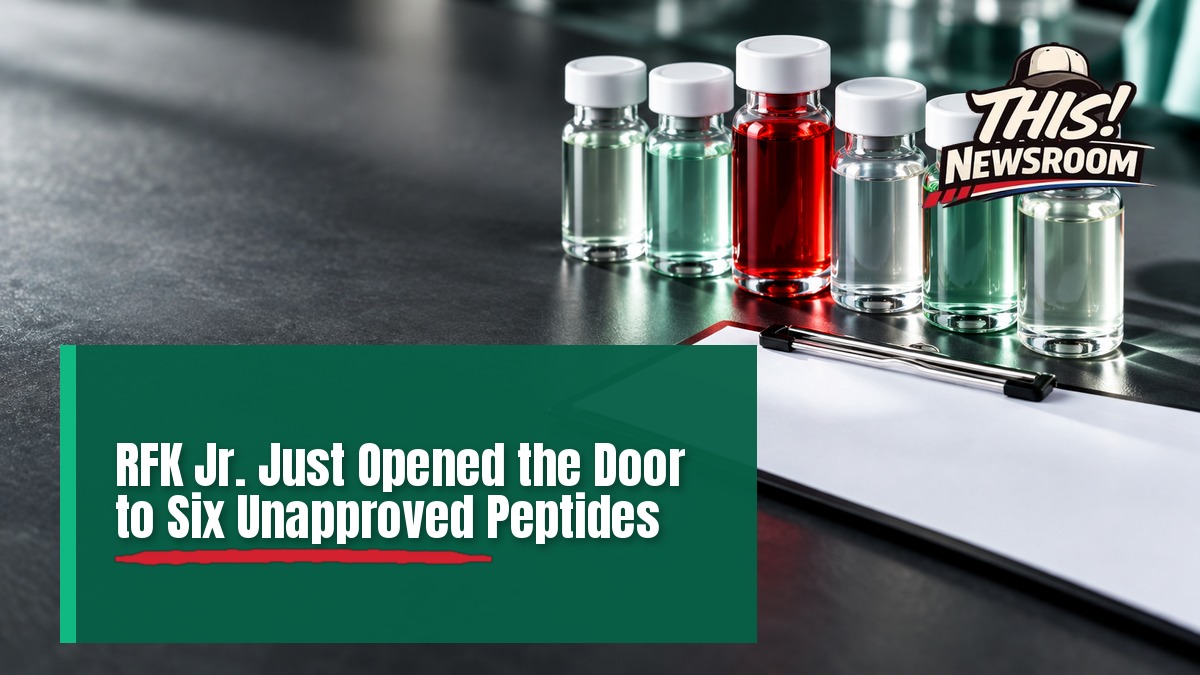
On Oct. 28, the Department of Health and Human Services announced it will not go after pharmacies, federal facilities or licensed physicians that compound BPC-157, TB-500, epitalon, MOTS-c, KPV and semax. The core tension is a split decision. The FDA’s own advisory panel backed the peptides in July by a vote as close as 8-6, with one abstention on BPC-157, KPV and TB-500, per AJMC. The agency’s career scientists had recommended against all seven peptides it reviewed. That makes this peptide compounding policy a big question for anyone thinking about trying them.
What the peptide compounding policy actually does
According to NBC News, the six substances are BPC-157, TB-500, epitalon, MOTS-c, KPV and semax. HHS calls it an “enforcement discretion” policy on 503A compounding. In plain English, the government is saying it will look the other way while pharmacies make these products.
Pharmacies can start offering them now. The peptides are not yet on the FDA’s list of permitted compounding ingredients.
The policy is also temporary. As RAPS reports, it stays in place until the FDA adds the substances to its list through formal rulemaking. Our report on the plan for temporary peptide sales flagged that timeline earlier. Outlets still disagree on whether this is a draft or a final policy. Some say it takes effect now, while others describe a 14-day comment period with Federal Register publication due Oct. 30.
Why the HHS peptide policy is not an FDA approval
HHS itself says the policy “does not grant FDA approval or establish clinical safety and effectiveness,” as ABC News reported. Insurers are also unlikely to cover compounded versions, so you could pay out of pocket for a product nobody has proven works.
There are guardrails, at least on paper. Per AJMC, the policy lists 10 conditions. The raw ingredients must come from an FDA-registered manufacturer that follows good manufacturing practice. They must also carry a certificate of analysis covering identity, purity, potency and contaminants.
An HHS spokesperson told CBS News that pharmacies must also do quality testing and safety reporting.
Why the FDA’s own scientists are uneasy about the peptide enforcement policy
The backstory is where this gets spicy. The July advisory committee recommended six of the seven peptides it reviewed. The panel also included six new appointees with ties to the peptide industry, according to NBC News.
It is also unusual that the policy came from the HHS secretary’s office rather than the FDA. The FDA has almost always made decisions on compounding, as PBS NewsHour noted in its coverage of an AP report. Because the policy only tells the agency not to enforce, it avoids a direct clash with FDA staff.
Critics are not subtle. Robert Steinbrook of Public Citizen’s Health Research Group said Kennedy “has undermined the FDA and threatened public health.”
HHS counters that the policy “advances patient choice and freedom while appropriately protecting patient safety,” in a partial quote reported by Futurism. Secretary Robert F. Kennedy Jr. calls himself a “big fan” of peptides. He says Americans already buy gray-market versions from China and elsewhere. Our earlier look at how the FDA might ease peptide restrictions covers that wellness boom.
What we don’t know yet
You may see the phrase “restricted peptides under physician supervision” floating around social media. The sources we reviewed describe these as unapproved, not restricted. The policy covers pharmacies, federal facilities and licensed physicians. It is not a simple supervision rule.
We will update as the draft-or-final question clears up, because the final peptide compounding rules could shift. Meanwhile, STAT News reported that scant evidence exists that these peptides are safe or effective.
What happens next
The FDA still has to decide whether to formally add the peptides to its compounding list. The Partnership for Safe Medicines filed a citizen petition last week. It asks the agency to ignore the July panel recommendation, per NPR. Public Citizen is urging HHS to rescind the policy outright.
One more reality check: a trade group said in March that pharmacies may need months to stock pharmaceutical-grade ingredients. So the policy will not fill shelves overnight.
If you are tempted, talk to a doctor you trust before you listen to an influencer. The door just opened, but nobody has proven what is on the other side.