It took the Supreme Court a single unexplained sentence to turn down the Trump administration on the eve of the midterms. The justices refused a Supreme Court California ballots request to make the state set aside roughly 20,000 mail ballots the administration says may belong to noncitizens. Meanwhile, the count keeps rolling.
The order came Monday, Nov. 2, with no explanation and no noted dissents, according to The Hill. CBS News describes it as unsigned. The Justice Department had asked for an injunction forcing California officials to separate the challenged ballots from the rest.
What the Supreme Court California ballots order actually does
Not much, and that is the point. California keeps counting its mail ballots with no segregation order in place.
The administration filed its emergency request only hours earlier. The Court then ruled without asking California to respond, NBC News reports. That is normal practice on emergency applications.
The Justice Department argued time was running out. In its words, “Once California commingles the challenged ballots with lawful ones, there is no way to get the challenged ballots back.”
Two things to keep straight. First, the 20,000 figure and the “likely noncitizen” label are the administration’s claims. California officials and immigrant-rights groups question how accurate that list is. They call the suit an attempt to disenfranchise legal voters. Noncitizen voting is also already illegal under California law.
Why the lower courts saw this California ballot case coming
This was no surprise at the courthouse steps. The lower courts had already ruled against the administration.
On Friday, the 9th Circuit barred it from intervening in California’s mail ballot counting. It also concluded the federal government cannot dictate to states how to run elections, CNN reports. We covered that earlier ruling in our look at the appeals court decision on freezing 20,000 ballots.
The appeals court also noted that “the district court found that the risks that noncitizens are voting are, at best, uncertain, and also tempered by California’s established voter-eligibility procedures.” It saw no evidence that Congress meant the federal noncitizen-voting law to override state election rules.
The Court did not explain itself, so any story about why it ruled this way is guesswork. Still, the justices also rebuffed an administration effort to restrict voting by mail back in September, per wire reports. CNN describes Trump’s record on emergency election appeals at the Court as mixed.
What the Supreme Court California ballots ruling means for voters
Here’s the thing: if you voted by mail anywhere, nothing about your ballot changes tonight. States run their own elections, and the courts just reaffirmed that, at least for this count.
That matters most in a state as big as California. There, a slow mail count can decide House seats days after Election Day.
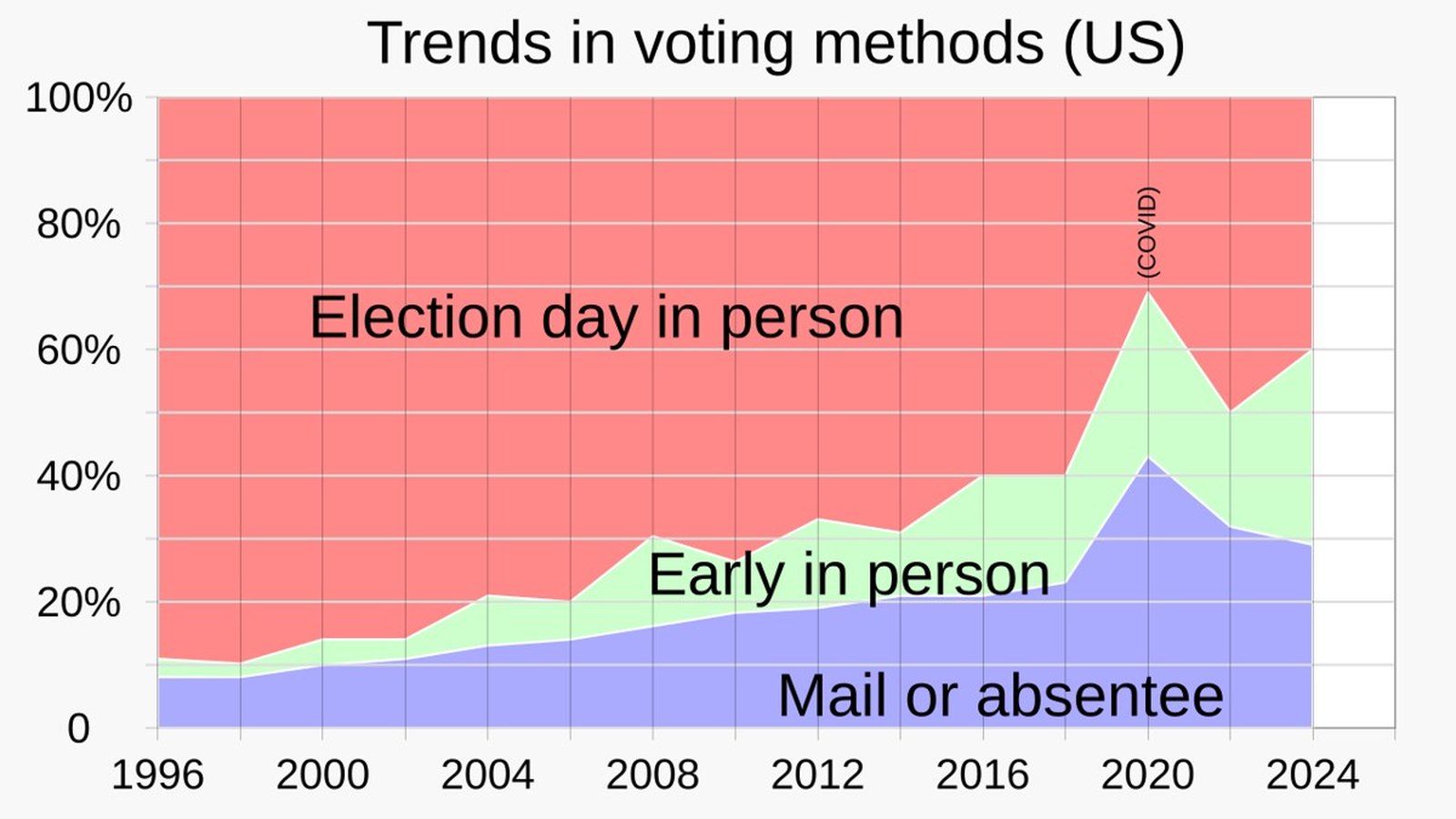
Democratic-leaning voters use mail voting more often. That is why ballot fights like this one draw so much heat. Still, fair readers on every side should want the same thing. Every eligible vote should count, and the legal process that already exists should catch every ineligible one.
What happens next after the Supreme Court mail ballot order
Election Day is Tuesday, Nov. 3. All 435 House seats, 35 Senate seats and 36 governorships are on the line, Al Jazeera notes.
The status of the underlying lawsuit is not confirmed. We also have not seen on-record reaction from California’s top election officials or the Justice Department. The fight over ballot warrants is not over either, as our coverage of Newsom’s clash with the DOJ shows.
One more thing to watch. The administration has warned California election officials they could face prosecution if they allow noncitizens to vote, NBC reports. Whether the Justice Department follows through after this loss is the question hanging over the count.
Apple’s mixed quarter, in short
Same day, different kind of verdict. Apple reported fiscal fourth-quarter results after the close. It was new CEO John Ternus’s first report since he took over from Tim Cook on Sept. 1, Invezz reports.
Revenue hit $114.48 billion, up 12%, ahead of the roughly $113.47 billion analysts expected. Earnings per share came in at $2.10 against about $2.00, per Yahoo Finance. That includes a $0.05 boost from one-off tariff refunds.
iPhone sales were a September-quarter record of $57.58 billion, up 17%. Mac jumped 24% to $10.79 billion. iPad fell 10% and missed. Greater China revenue grew 21% to $17.54 billion but still missed estimates, BeInCrypto notes.
Apple guided to 7% to 10% growth for the holiday quarter. Shares slipped roughly 1% to 3% after hours, depending on the outlet, so check Tuesday’s close for the real number. A beat that still stings: that’s Wall Street.
Tomorrow, the votes. Tonight, the Court made one thing plain: the ballots stay in the count.