Sitting against a wall for about eight minutes, three times a week, may lower blood pressure by an average of 10 mmHg. That’s the headline number from an analysis of exercise trials, and it comes from an exercise that needs no equipment and no gym. Isometric moves like the wall sit hold a position without motion. The research suggests they work.
Here’s what it means for you. If your readings run high or high-normal, a few short wall sits each week could shave points off both numbers. You don’t need a membership or a free hour. You need a wall and a timer.
Why isometric exercise helps lower blood pressure
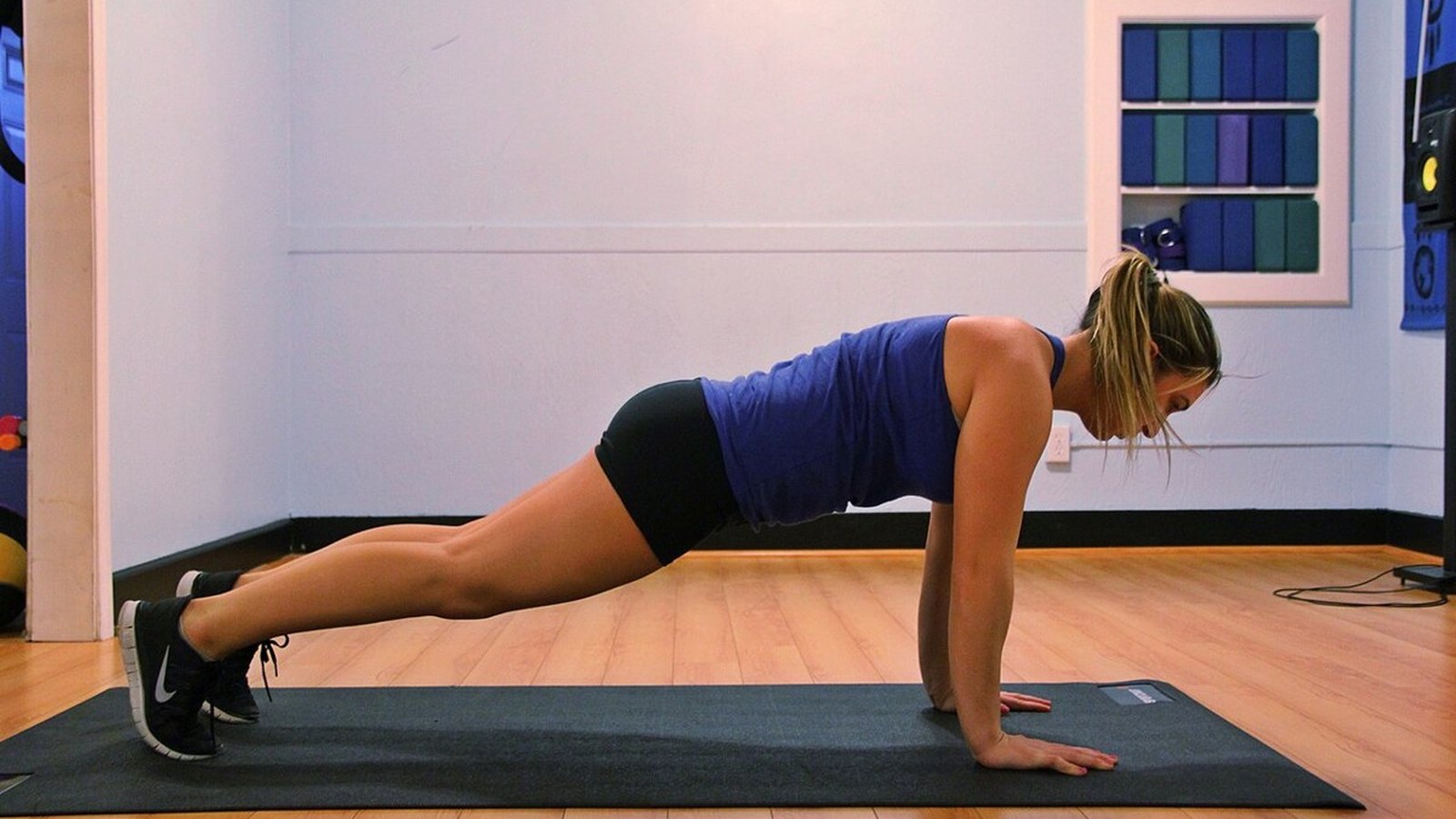
Isometric exercise means you hold a position and don’t move. Think wall sits, planks or squeezing a handgrip. A recent meta-analysis of randomized controlled trials in Frontiers in Public Health compared isometric training with no exercise. It found that isometric training significantly lowered both systolic and diastolic blood pressure.
The average drop in systolic pressure, the top number, was 6.72 mmHg. That fits earlier reviews reporting reductions of roughly 5 to 9 mmHg. The authors also flagged substantial differences between studies, so treat any single number as a ballpark and not a promise.
The wall sit numbers: a real blood pressure drop
An earlier analysis in the British Journal of Sports Medicine went further. A syndicated report on that study said isometric exercise such as wall sits was the most effective exercise type for lowering blood pressure. Wall sits cut systolic pressure by an average of 10 mmHg and diastolic by 5 mmHg. The routine was about eight minutes of isometric work, three times a week.
Eight minutes. You’ve spent longer than that scrolling for something to watch.
Another small trial, run at Canterbury Christ Church University in England, followed 100 adults with high-normal blood pressure. As Newsweek reported, four weeks of wall squats lowered their resting blood pressure. Each session had four wall-squat holds, with two minutes of seated recovery between them, three times a week.
Here’s the thing: this is for the busy and the stuck
Most of us read the 150-minute weekly activity guideline and quietly give up. Isometric work suits exactly those people. Sessions are short, you need no equipment, and you skip the commute to a gym. A wall in your living room does the job.
Jamie O’Driscoll, senior author of the BJSM study, put the bigger point this way: “Our main message is that actually engaging in exercise is fantastic and any exercise might reduce your blood pressure.” So no, the wall sit doesn’t make your walk or your bike ride worthless. It’s one more tool, and a cheap one.
Blood pressure matters well beyond the number on the cuff. One study found that masked high blood pressure was linked to a 70% higher fall risk in adults over 78. Small habits that reduce blood pressure may pay off in surprising ways.
What to know before you try a move that can cut blood pressure
Talk to your doctor before starting if you’ve been told you have high blood pressure. Do the same if you take medication for it. Holding a hard contraction isn’t right for everyone. Exercise supplements medical care and never replaces it.
Heart health is rarely about one trick, either. Another study found that losing just 5% of your weight in your 50s may leave your heart looking years younger by 62. Pair the wall sit with habits like that, and you build a stronger case.
So the next time you’re stuck waiting on a pot of coffee, lean against the nearest wall and sit down. Eight minutes a session is all the research asks for.