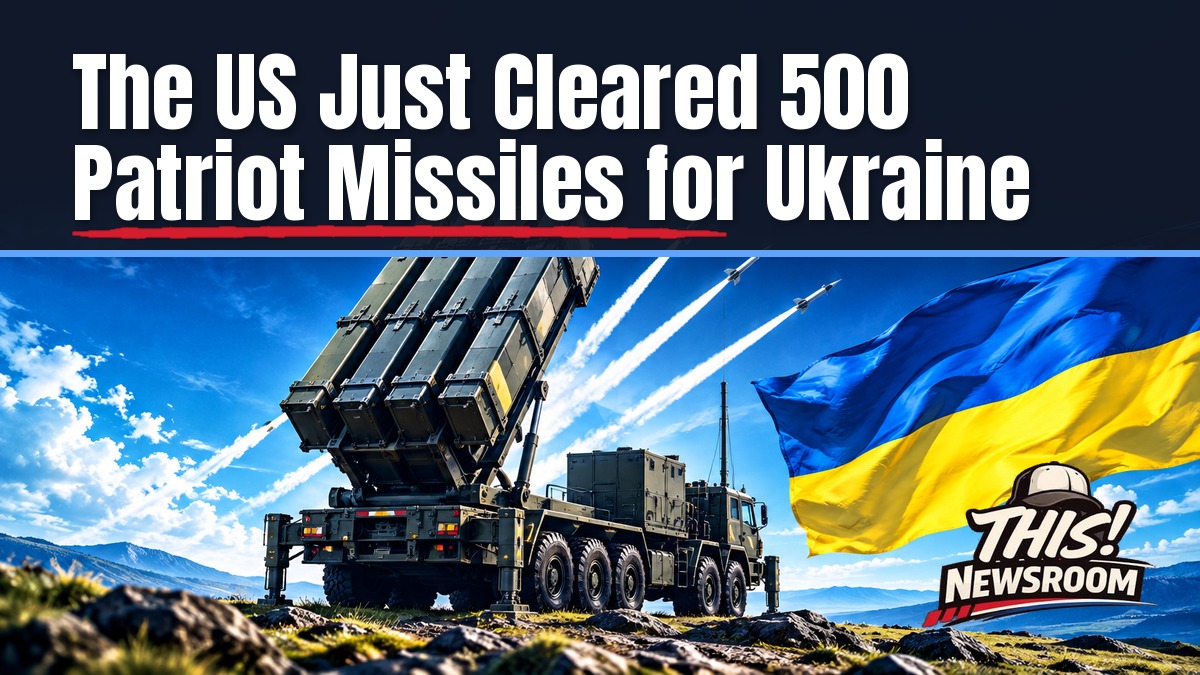
A possible $2.1 billion sale of 500 Patriot missiles to Ukraine just got a green light, and American taxpayers aren’t paying for them. The State Department cleared 500 PAC-3 MSE interceptors for Ukraine on Friday, along with related equipment.
Here’s the thing: Ukraine’s allies are covering the cost, and the money flows to a US defense contractor. That’s the part that matters at home.
Who is paying for the Patriot missiles Ukraine is getting
Ukraine will pay with donations from Canada, Germany and Norway through the JUMPSTART program. National funds financed by the EU’s Ukraine Support Loan make up the rest. In fact, a summary of the congressional notification says partner nations and allies fund the sale entirely.
Lockheed Martin is the principal contractor, Reuters reports. So European and Canadian money buys American-made hardware. The package also includes spare parts, logistics and program support. The deal fits a bigger pattern, too: Wall Street’s growing defense bets show how much money is chasing military production right now.
Why these PAC-3 missiles are such a big deal
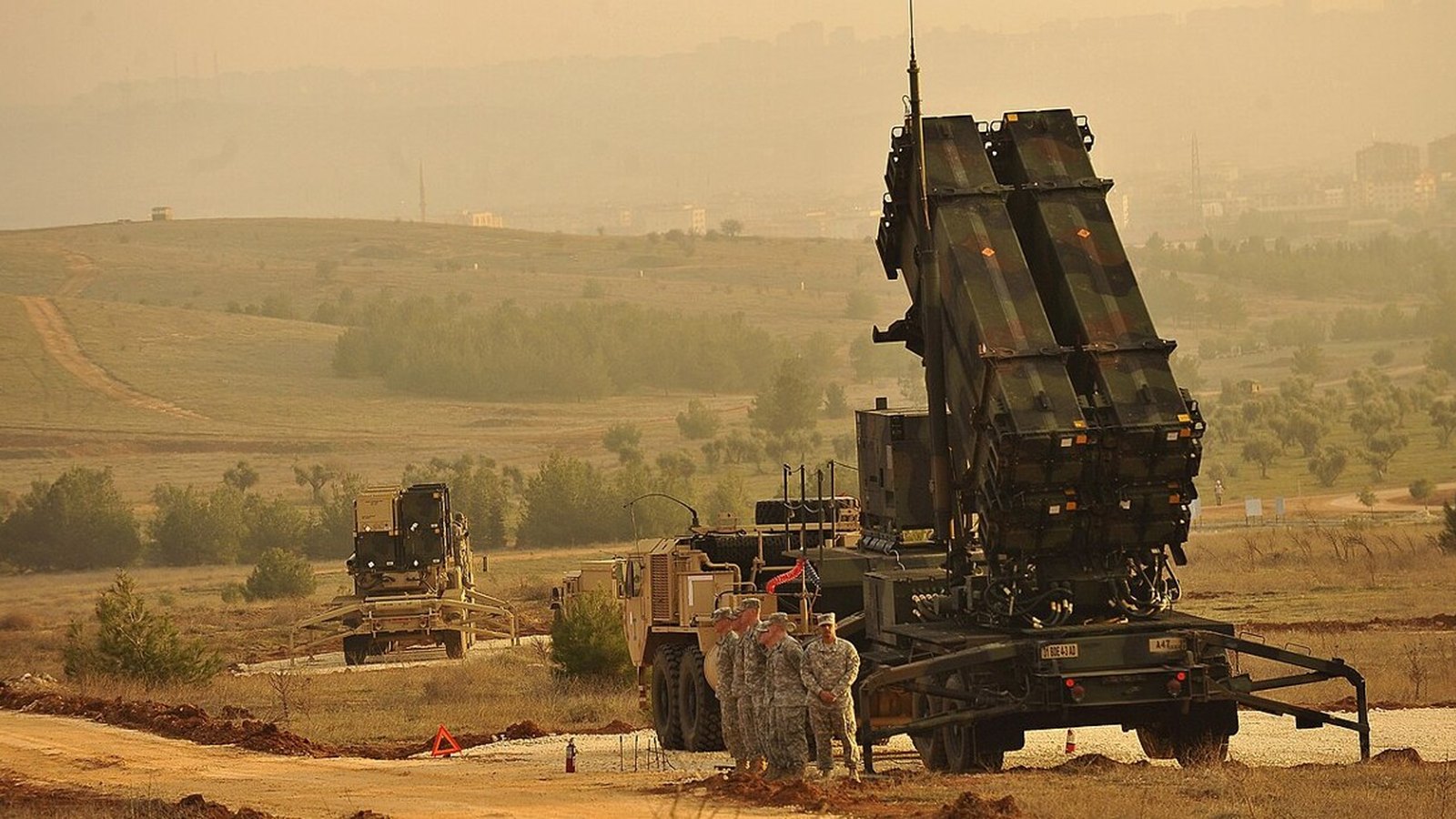
The PAC-3 MSE is the most advanced Patriot variant in service, CNN reports. It is designed to intercept incoming aircraft and missiles, and it is one of the few weapons that can shoot down ballistic missiles.
Demand is high everywhere. CNN notes that US production lines face a shortage tied to the Iran war and rising global demand. Reuters says Lockheed has already announced plans to raise PAC-3 production to 2,000 units a year. At the July NATO summit in Turkey, Trump said Ukraine would get a license to build its own Patriot missiles. That could eventually take some pressure off American factories.
The delay behind the Patriot sale
Pressure from Kyiv helped break the logjam. Zelensky said earlier this week that Ukraine had waited almost a month for US sign-off on critical missile supplies, as Russia stepped up attacks on energy and civilian infrastructure, per Reuters. Bloomberg says the approval came after he accused the US of holding up shipments.
Reuters adds that the delays fed tensions between Washington and Kyiv. Those tensions followed Trump’s announcement of a diesel deal with Russia and his criticism of Zelensky over Ukraine’s refusal to stop hitting Russian refineries. The questions around the Hubbard release show how tangled Washington’s dealings with Moscow have become.
What this approval means for Ukraine’s air defense
This is approval of a possible sale, not a signed contract or a promise of immediate deliveries. Congressional review and a signed letter of offer and acceptance still have to happen, and nobody has reported either one. CNN says Friday’s release gave no delivery date. It also did not say whether Ukraine would build any missile parts under an offset agreement.
The State Department says the sale needs no additional US government or contractor personnel in Ukraine and will not hurt US defense readiness. For Ukraine’s air defense, though, the timeline matters more than the paperwork.
So the real question isn’t whether Washington said yes. It’s how fast 500 of the world’s scarcest missiles can actually reach Ukraine before winter.