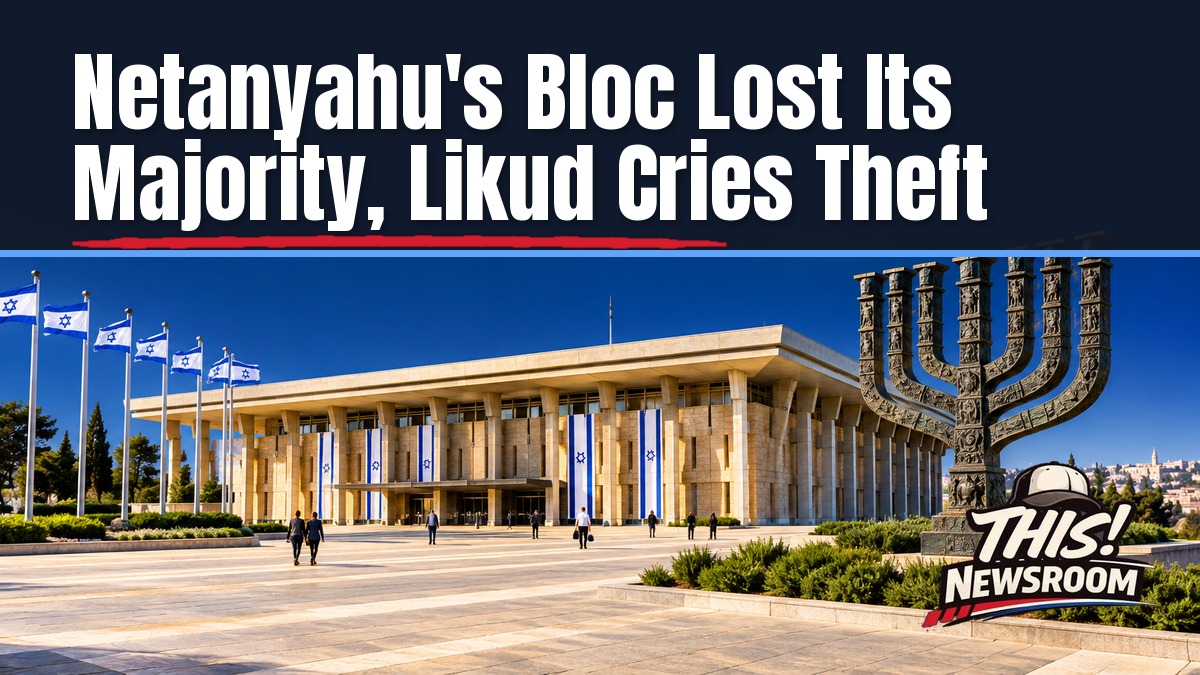
Sixty-one is the number that matters in the Knesset, and Benjamin Netanyahu’s bloc finished far short of it. His Likud party says Israel’s election was “stolen,” though it has offered no public evidence and election officials reject the claim. Here’s why the Israel election results matter beyond Jerusalem.
Israel voted on Tuesday, Oct. 27. The Central Elections Committee figures, as relayed by Israel National News, give Netanyahu’s bloc 53 of the 120 Knesset seats. A government needs 61.
At its peak in the last parliament, that same bloc held 68, AP reports. That is a long way down. For more on where that leaves him, see our look at how Netanyahu is stuck at 53 seats.
The numbers behind the Israel election results
Netanyahu did not lose to a clear winner, though. Former military chief Gadi Eisenkot’s opposition bloc took 48 seats. Neither side can immediately form a government, NBC News reports.
The kingmakers are Arab-led parties. They won a combined 19 seats, a historic high. Reports also called Arab Israeli turnout a record. By the committee’s final split, the Joint List took 11 and Ra’am took 8.
Likud is still the largest single party with 27 seats. Eisenkot’s Yashar won 21, and Naftali Bennett’s Beyachad won 12.
Finishing first, however, is not the same as getting the keys. As Newsweek notes, the president is not required to nominate the largest party’s leader. Turnout was high from the start, as we noted when 55.7% turnout by 4 p.m. beat 2022.
What Likud claims about the Israeli election outcome
Likud’s statement says Arab parties “stole” the election. It alleges “bribery, threats, violence, forgeries and the use of illegal software to mobilize voters,” according to the Times of Israel. The party is demanding police and Shin Bet investigations.
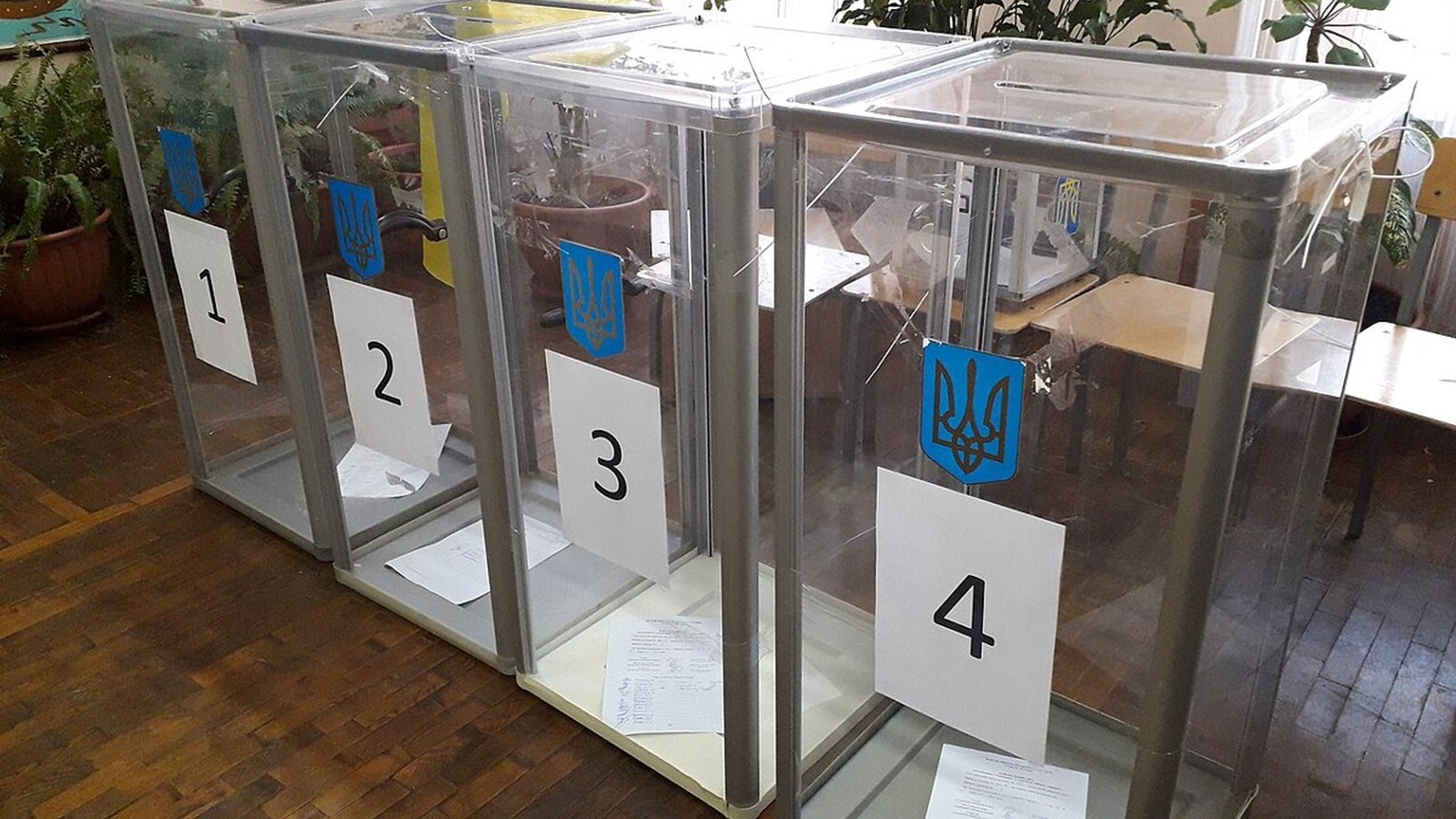
It says it is submitting hundreds of testimonies. i24NEWS reports the specifics include cash in envelopes, threats against polling officials, multiple voters in one booth and mismatched envelope counts.
Here’s what we can and can’t say. The claims are unsubstantiated so far, and no investigation has reported any findings. A Central Elections Committee official dismissed them on Channel 12.
The committee also says the vote was lawful, with no basis for claims of systematic interference, per ABC News. Our deeper dive explains why the math disagrees with Likud’s claim.
A claim like this one also rarely arrives from nowhere. Before voting, Hebrew media reported that Likud was already preparing to challenge results from Arab localities, the Times of Israel reported. Haaretz said Netanyahu wasn’t personally involved in those talks.

Eisenkot says Likud is trying to delegitimize the results. Some outlets attribute the “stolen” line to Netanyahu himself. AP attributes it to his party, so we’re attributing it to Likud.
Why the Knesset election results matter to Americans
Here’s the thing: if this all sounds familiar, it should. Losing side, no evidence, demand for investigations: democracies on several continents have run this playbook. Americans heading into a midterm week know how quickly doubt about a count can spread, even when election officials say the process worked.
The Israel vote count is also a real stress test for a close U.S. ally. A prolonged standoff could keep the government stuck at a tense moment in the region.
What happens next after Netanyahu’s election loss
Officials plan to certify the results on Wednesday, Nov. 4, AP reports. Police, the Shin Bet and the committee must now decide what to do with Likud’s complaints. No outcome has been reported.
The coalition math is the real story. Fox News reports that United Torah Judaism lawmakers may weigh backing an Eisenkot-led government. Nobody has confirmed that. Eisenkot has rejected serving under Netanyahu, even in a rotation deal.
Democrats chairman Yair Golan says the opposition reaches 65 seats if you count Arab parties. The Joint List head told AFP he would cooperate with an opposition-led government but not join it.
Netanyahu stays in office while all this plays out. If no coalition emerges, the Jerusalem Post says the deadlock could end in another election. The Times of Israel’s analysis suggests the “stolen” narrative could set him up for a rematch.
So Israelis are asking a simple question. Does a leader who can’t win a majority accept the count, or keep fighting it until he calls voters back to the polls?