
Home electricity prices are up roughly 10% since early 2024, and voters just made someone pay for it. Democrats who campaigned on slowing the AI data center boom won the House and Senate on Nov. 3. They also flipped the governor’s offices in Texas, Georgia and Ohio. Those winners ran on pausing or restricting the buildout, which puts the AI data center boom at risk of slowing, Bloomberg reports.
Here is why you should care even if you never touch a chatbot. Goldman expects data center demand to keep pushing power prices up faster than overall inflation.
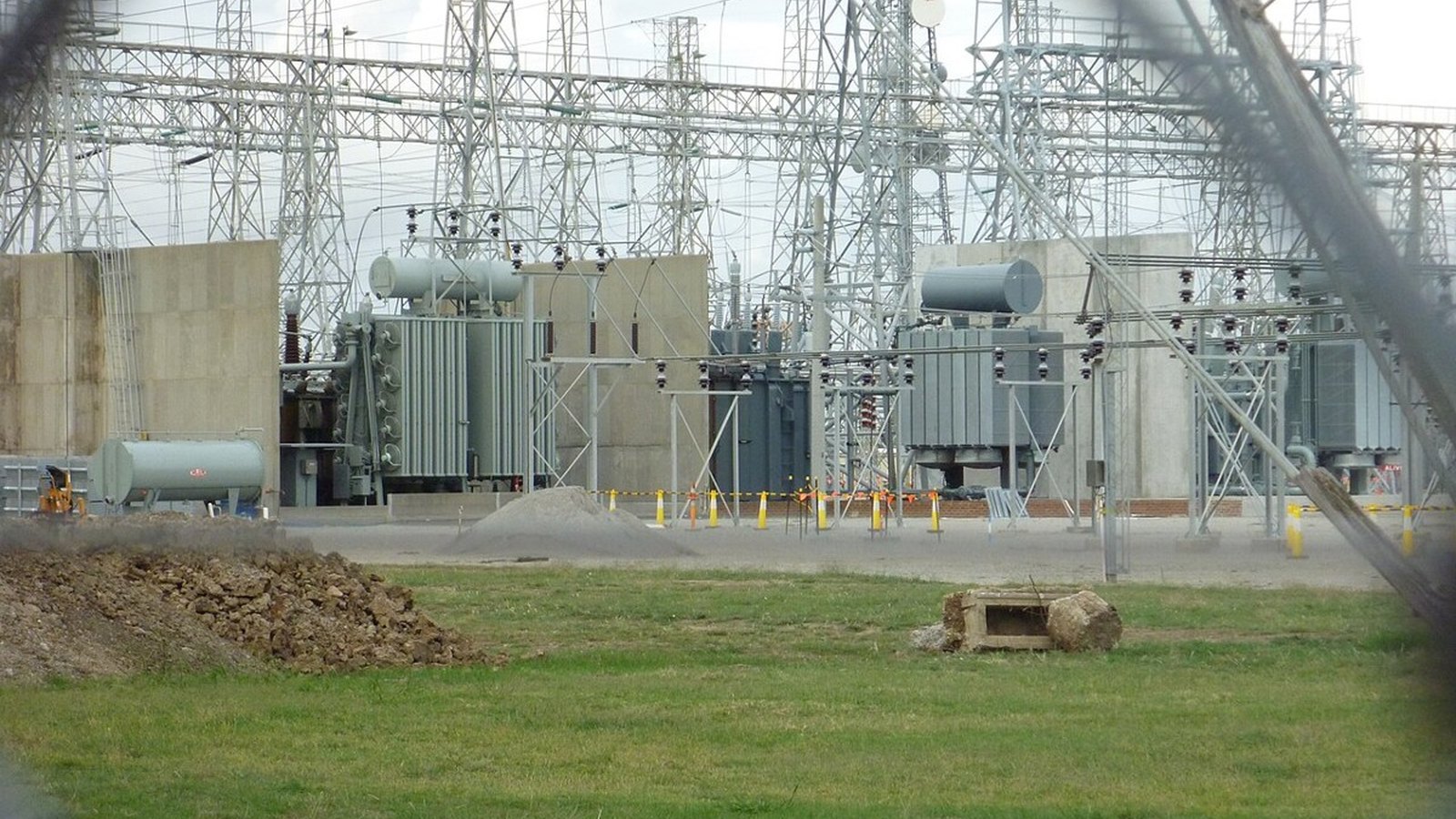
Your power bill just became a campaign issue, and voters picked a side.
What it means for you: Expect your electric bill to keep climbing in the near term, because no governor can reverse that quickly. But new state leaders may soon force data centers to cover their own utility costs. That could ease pressure on household rates over time.
The Governors Who Ran Against the Data Center Buildout
In Texas, Gina Hinojosa unseated Gov. Greg Abbott after blaming him for the rapid data center expansion, CNBC reports. The state is on track to become the world’s largest data center market by 2030. For the full money picture, see how Abbott outspent Hinojosa 6 to 1 and still lost.
Georgia sent Keisha Lance Bottoms to the governor’s mansion. She wants a statewide pause on new data center construction so officials can study the effects on power bills, water and communities. Metro Atlanta led the nation in data center space under construction in the first half of 2026, per the Atlanta Journal-Constitution as cited by KSHB.
In Ohio, Amy Acton backs what she calls a conditional moratorium. New data centers would have to cover all their utility costs and use union labor. They would also have to build on old industrial sites instead of farmland.
Governors were not the only winners. Sherrod Brown ran ads casting Sen. Jon Husted as a supporter of data centers, and Brown won. In Virginia, Democrat Shannon Taylor took a Richmond-area House seat from Rep. Rob Wittman after data center-focused attacks, according to Heatmap.
Voters Said It Out Loud About the AI Data Center Boom
In a CNBC Voter Poll, 56% of voters said data centers were a crucial or major factor in their decision. Democrats ranked the issue higher than Republicans did.
The ballot box said the same thing locally. Forty-one data center measures were on local ballots across 10 states, per Ballotpedia via CNBC. Voters backed restrictions or rejected pro-development measures in nearly every contest with results available Wednesday. The lone exception was Harwood, North Dakota.
That is a sharp turn from the White House line. In September, just weeks before the election, President Trump called the pushback against AI data centers “all a hoax,” Euronews reports. Voters have now answered that claim at the ballot box, which is why it matters going forward: the president’s stance is out of step with the electorate he was courting.
What Wall Street Is Doing About It
Markets noticed right away. SpaceX and Tesla fell more than 3%, and Morgan Stanley strategists flagged “incrementally negative AI sentiment on greater expectations for data center restrictions.” The Nasdaq 100 is still up 40% since Election Day 2024, versus about 30% for the S&P 500, NBC News reports. Futures tell a different story elsewhere, as Dow futures surged 1,083 points after the Democratic sweep.
Goldman economists say federal AI regulation would still need bipartisan support. But they expect Democratic wins at the state and local level to bring short-term moratoria. Those could affect about 45% of planned U.S. data center capacity expansion. That is a forecast, not a fact on the ground yet.
Elon Musk, for his part, posted on X that “data centers in space looking pretty appealing right now.” Until someone launches a server farm, though, the neighbors are still the ones who vote.
The Catch: Governors Cannot Cut Your Bill Overnight
Here is the thing. Washington sets many of the costs squeezing families, like war-driven gas prices and tariffs. New governors have real tools over data centers and utilities, but limited power to lower your bills quickly.
Analysts also warn against giving the AI data center boom all the credit. Heatmap cautions that some races are hard to tie to the issue. Others credit the Iran war, gas prices and affordability for the Democratic wave. And the AI trade was already shaky: chipmakers and other data center-linked stocks sold off in October on worries about interest rates and overspending. Chipmakers still report strong demand, though, as AMD’s 97% data center growth shows. That figure comes from AMD’s earnings report, which predates the election, so it does not reflect any post-vote slowdown.
What Happens Next for the AI Infrastructure Boom
Watch the states first. It is not yet clear whether Bottoms, Hinojosa and Acton can impose pauses by executive action or need their legislatures, and we have not seen inauguration dates. In Washington, Democrats who ran against data centers are expected to push for rules, though anything federal needs Republican votes. Hakeem Jeffries has already launched his bid for House speaker.
The companies have not spoken yet, either. Alphabet has plans for several Texas data centers, and OpenAI is developing a controversial project in Effingham County, Georgia. They now have a few new governors to win over, and the AI infrastructure boom will not slow itself.
The question for the next two years is simple: do voters get cheaper power, or does the AI race just move somewhere with fewer neighbors?