
340,000 mail ballots had come back as of Friday, Oct. 23—about 17% of 2 million sent, roughly 33% faster than the last governor’s race, according to FOX 5/KUSI. Registrar of Voters Shawn Brom confirms that pace. If you’re wondering how to vote in San Diego this midterm season, the clock is ticking: Election Day is Tuesday, Nov. 3.
How to vote in San Diego: the dates that matter
Here’s the schedule, based on the County of San Diego and the California Secretary of State:
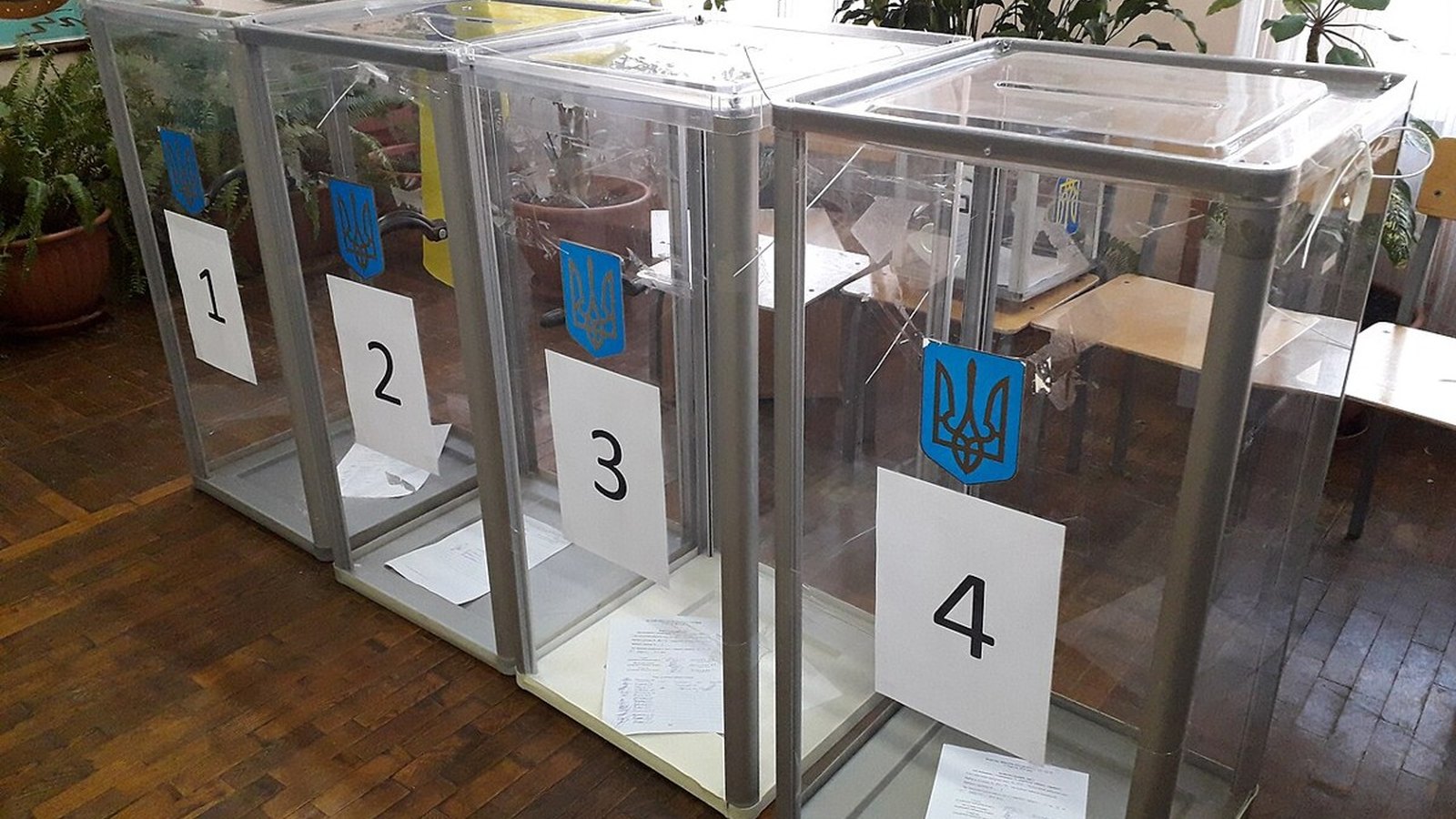
- Now: 41 vote centers opened Saturday, Oct. 24, daily from 8 a.m. to 5 p.m.
- Oct. 27: the state’s recommended last day to request a replacement mail ballot.
- Oct. 31: another 180 vote centers open, bringing the total to 221.
- Nov. 3: every vote center, official drop box and the Registrar’s office runs 7 a.m. to 8 p.m. That 8 p.m. line is the last call.
- Nov. 10: the county must receive mailed ballots postmarked on or before Nov. 3.
Yes, that last one means a ballot mailed late can still count. But don’t push your luck. The state says to mail ballots at least seven days before Election Day. If you mail one on Nov. 3, get a manual postmark from a postal employee inside a post office.
Voting in San Diego County: missed the registration deadline?
Online registration closed Oct. 19. However, same-day conditional registration runs through Election Day at the county elections office or any in-person voting location. Conditional registrants vote a provisional ballot. So if you moved, turned 18 or simply forgot, you still have a shot.
This San Diego voting guide has one more tip: every active registered voter was mailed a ballot, and neighborhood polling places are gone. The Registrar’s online map shows vote center locations and estimated wait times, which helps if you’d rather skip the line.
Your San Diego election guide: a long ballot that hits your wallet
The statewide ballot carries 14 propositions, the most in a decade, per Times of San Diego. Add the governor’s race, seven Assembly seats in the county and runoffs for four of nine San Diego City Council seats, and you’ve got homework.
Here’s the thing: this ballot reaches into your pocket. Housing costs are stretching budgets, as 7% mortgages scare off homebuyers, so the bond and tax measures below deserve a close read. These items touch household budgets:
- County Measure B: a half-cent countywide sales tax, estimated at up to $450 million a year. Backers point to public safety, Tijuana River sewage cleanup, childcare, healthcare and food security.
- County Measure A: would raise Board of Supervisors term limits from two terms to three, and create an independent ethics commission, budget analyst and program auditor. Supervisor Terra Lawson-Remer backs it, and Supervisor Joel Anderson opposes it.
- School bonds: San Diego Unified’s Measure M is a $3.5 billion bond, and Vista Unified’s Measure N is $500 million.
- Statewide bonds: Prop 1 is an $11.25 billion housing bond placed by the Legislature, and one local guide lists Prop 37 as a $25 billion mortgage-loan bond.
What happens after San Diego midterm voting ends
Voters who return ballots early are counted in the first release of results after the polls close on Nov. 3. Late-arriving mail ballots keep trickling in through Nov. 10, so close races may not settle on election night. Just ask Texas. The county has until Dec. 3 to certify the election.
So here’s the deal: the lines are shortest before Nov. 3, and a ballot sitting on your kitchen counter counts for exactly nothing. Early bird or 7:59 p.m. sprinter, pick your poison.